
A joint initiative by



 Published on 2026-01-02Updated on 2026-01-02
Durga Puja is a five-day festival, held every year in Kolkata and other parts of Bengal, in worship of the Goddess Durga. Especially in Kolkata, the Puja is celebrated with unmatched energy, creativity and devotion. Its sheer scale and grandeur has made it one of the grandest religious and cultural festivals in the world — put on UNESCO’s Intangible Cultural Heritage of Humanity list. It is a sight to behold.

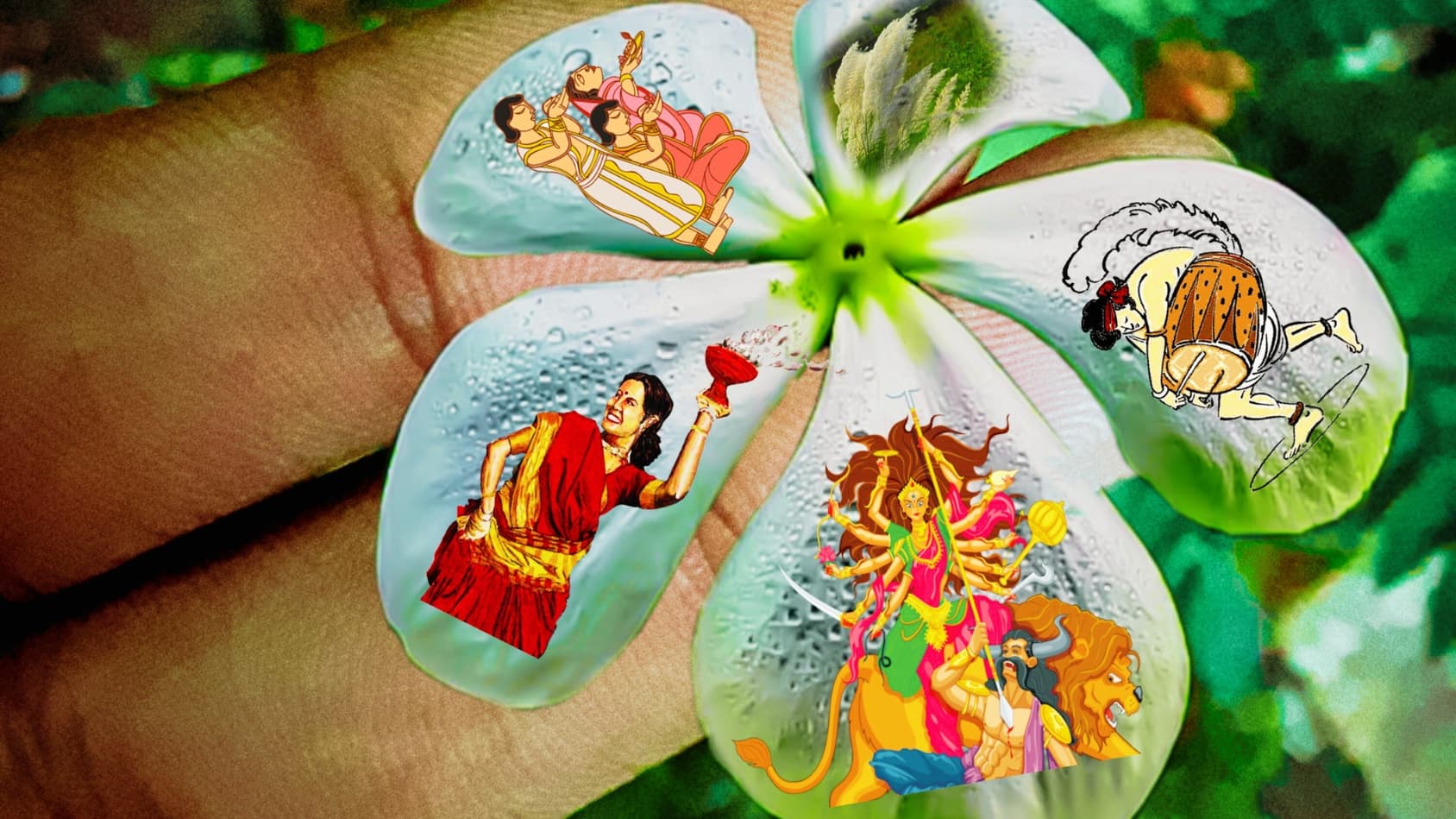
Goddess Durga in her Mahishasuramardini form.
But before the five days of Durga Puja begin, there is Mahalaya — a day that marks both remembrance and anticipation. It is when Bengalis pay tribute to their ancestors and mark the start of Maa Durga’s journey to her maternal home on Earth from her husband’s (Lord Shiva) home in Mount Kailash. It is a day immersed in traditions that bind spirituality, culture and art.
Here are some frequently asked questions to help you understand the significance of Mahalaya if you are visiting Kolkata during Durga Puja.
Mahalaya signifies the end of Pitri Paksha and the start of Devi Paksha, leading up to the five-day Durga Puja festivities. (Picture by Argha Mallick, Wikimedia Commons)
Mahalaya is the final day of Pitri Paksha (a fifteen-sixteen day period in the Hindu calendar when people honour their ancestors with prayers, rituals and offerings of food and water). The following day begins Devi Paksha (the Goddess’s phase), which marks the official onset of Durga Puja and Navratri festivities.
It is both a spiritual and cultural day. Spiritually, it is when families pay homage to their ancestors through rituals such as tarpan (offering water to ancestors) and pind daan (offering food to departed souls).
Culturally, it is seen as the curtain-raiser to the grand Durga Puja festival, filled with traditions that set the tone for the days ahead.
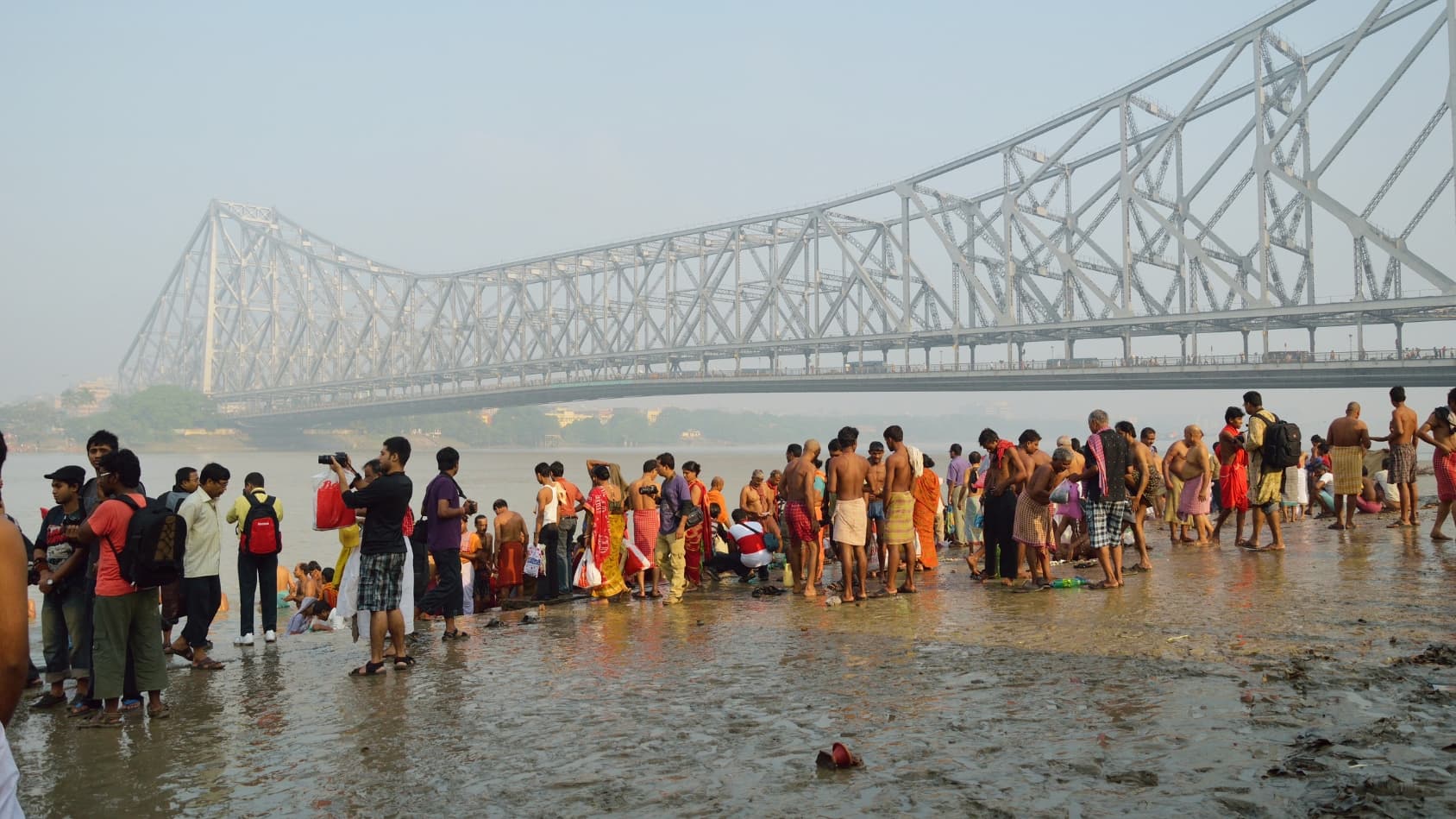
Jagannath Ghat teems with people doing tarpan on Mahalaya morning. (Picture by Biswarup Ganguly, Wikimedia Commons)
On Mahalaya, the ghats (riverfront steps) along the Ganga in Kolkata are filled with devotees from dawn. Popular ghats include Babu Ghat, Judge’s Ghat and Jagannath Ghat but nearly every ghat is crowded. People take a holy dip in the river before offering prayers. The jetties too are filled with spectators and photographers capturing the rituals. Many, who can't make it to the Ganges, perform the ritual at home with water taken from the holy river.
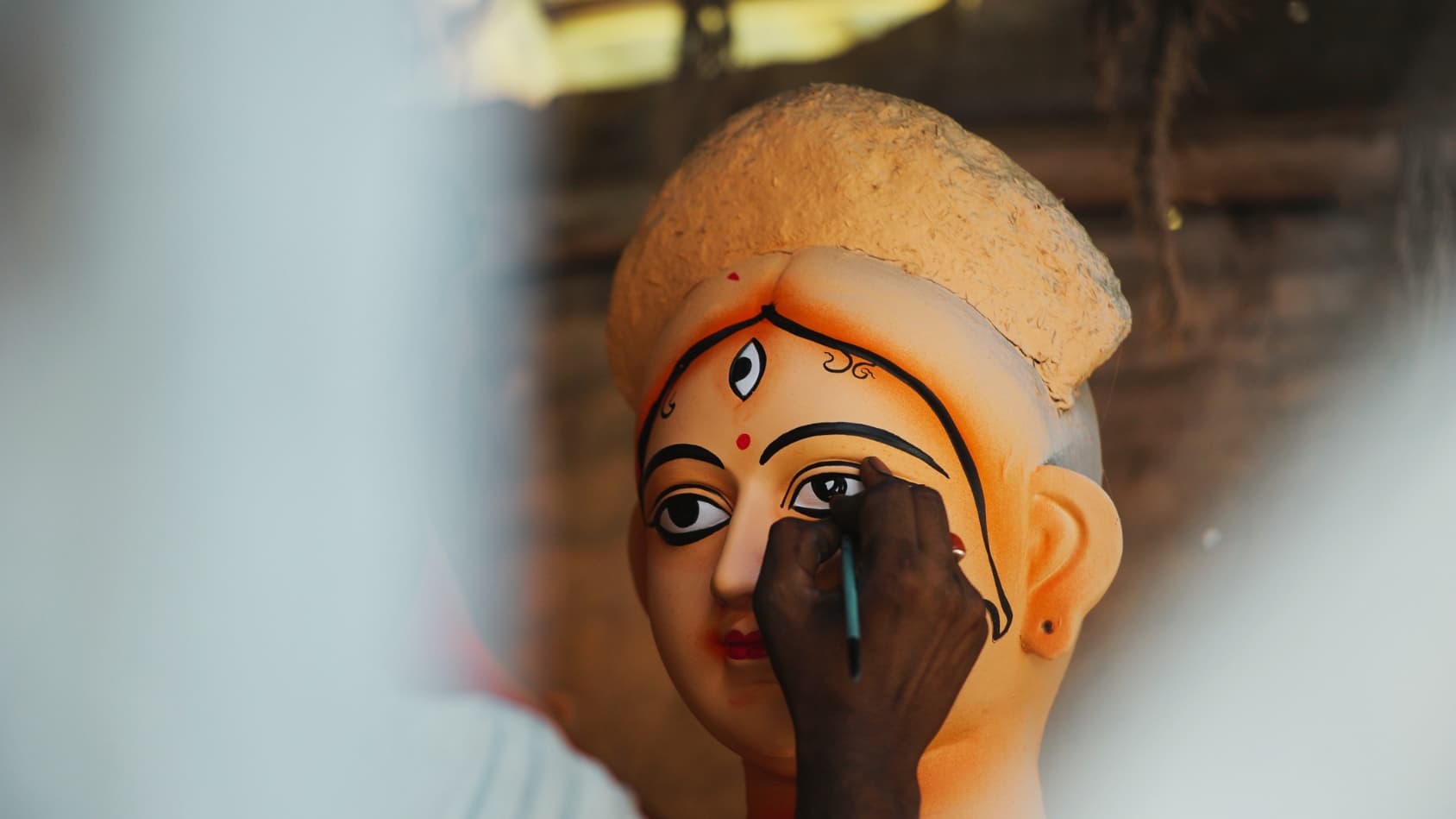
In Kumartuli, artisans perform ‘Chokkhu daan’ — bestowing the eyes on the idol of Goddess Durga, signifying her life and presence.
In Kolkata’s traditional potters’ quarter, Kumartuli, artisans observe chokkhu daan (literally, “bestowing of the eyes”) on Mahalaya. On this day, a skilled senior artisan or the head of a family paints the eyes of Goddess Durga, which till now are left blank while the rest of the idol is painted and given form.
Since eyes are known to be the mirrors of the soul, this ritual symbolises the awakening of the Goddess’ essence and the start of her journey to Earth.
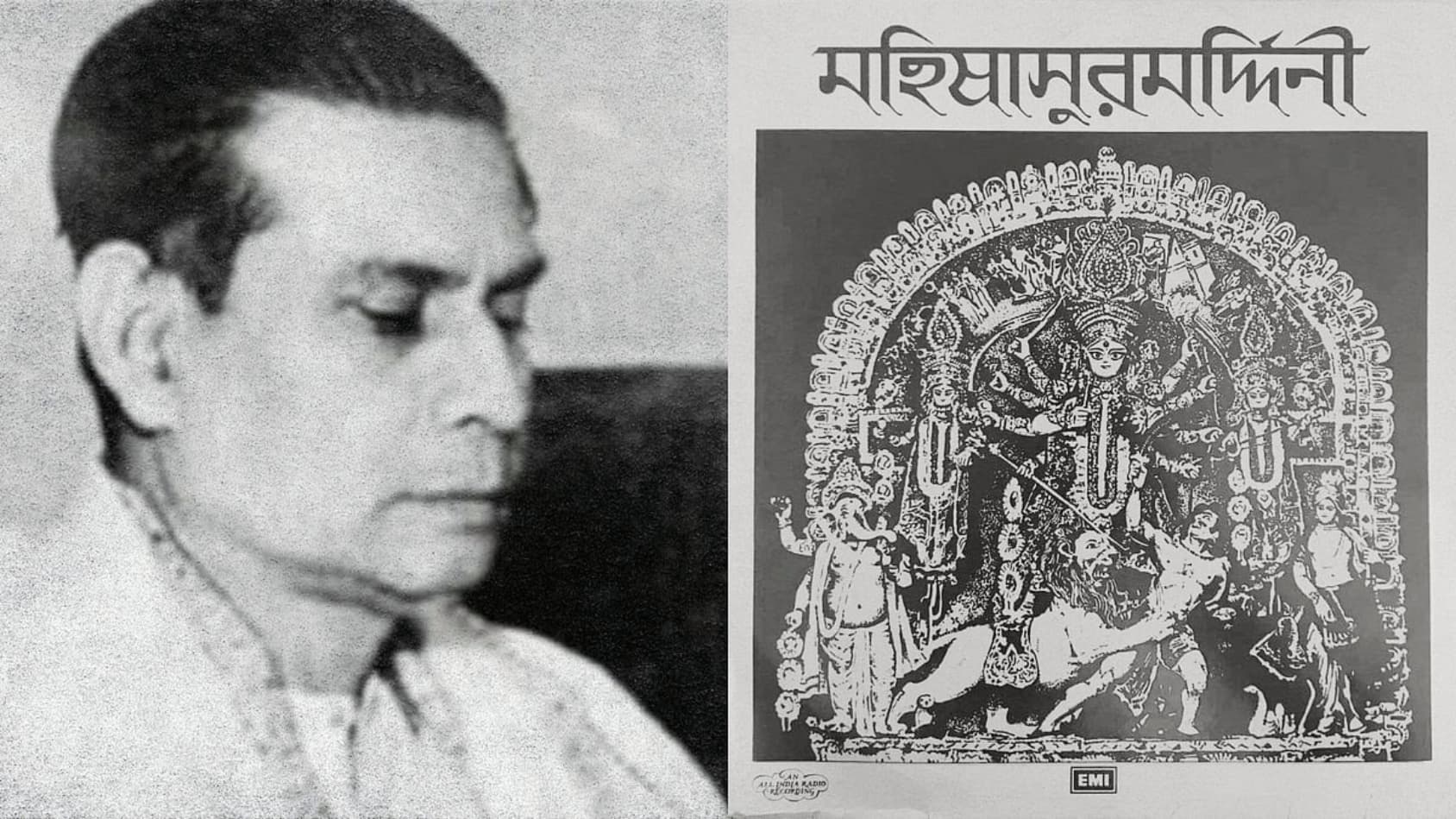
Birendra Kishore Bhadra and his original Mahishasuramardini.
Since the first time it was aired live on the Akashvani, All India Radio in 1932, Mahishasuramardini (The Slayer of the Mahishasura) has become synonymous with Mahalaya. Generations of Bengalis have woken up at 4 a.m. to the strains of this timeless radio programme on Mahalaya for decades.
It is a musical masterpiece featuring Sanskrit chants from the Chandipath (scripture narrating Goddess Durga’s battle against the demon Mahishasura) interwoven with Bengali devotional songs. Scripted by Bani Kumar, it was originally performed live by Birendra Krishna Bhadra to music composed by Pankaj Kumar Mullick. Post 1962, a recorded version has been aired every year without fail.
And even in these times of change – of YouTube and Spotify – many Bengali households choose to keep the tradition alive by playing it at dawn. In some neighbourhoods, it is also played on loudspeakers. For Bengalis, it is an emotional and spiritual connection to Durga Puja.
Interestingly, televised versions of the tale of Maa Durga and Mahishasura’s battle have also become popular over the years, especially among children.
Invoking the Goddess’ powers through chants and songs, on Mahalaya, this radio play rejoices the coming of the Goddess and hails her victorious battle over evil, thereby marking the official start of the Devi Paksha.
In 2026, Mahalaya will be observed on 10 October.

Bengal’s grandest festival rivals the planet’s greatest cultural spectacles

The Red Road Carnival brought the festivities to a spectacular close
Kolkata was swept up in a tide of devotion, celebration and unstoppable joy


