Calendar
Weather
Bengal Logo
A joint initiative by

Experiences
CultureFoodHeritageReligionShoppingTrails
Events
DayWeekMonthDon't MissEvergreen
Stories
Known NamesLong ReadsShort ReadsPhoto GalleryVideo Stories
Search
search
Experiences
CultureFoodHeritageReligionShoppingTrails
Events
Stories
Privacy Policy | Terms of Service | Disclaimers
Footer Logo

Discover the soul of Bengal through curated experiences, rich stories, and authentic cultural encounters.

Explore Bengal

  • Experiences
  • Upcoming Events
  • Travel Stories

Experiences

  • Food
  • Heritage
  • Trails
  • Shopping

Events

  • Today
  • This Week
  • This Month
  • Don't Miss
  • Evergreen

Stories

  • Known Names
  • Short Reads
  • Photo Gallery
  • Video Stories

Get in Touch

  • icon

    bengal.soulfully.yours@gmail.com

© 2025 Bengal Soulfully Yours | All Rights Reserved

Privacy Policy | Terms of Service | Disclaimers
HomeHomeExperiencesExperiences
Bengal
EventsEventsStoriesStories
  1. /
  2. Stories
  3. /
  4. A trek through Darjeeling’s zoo

Paws, peaks and pandas: A family trek through Darjeeling’s zoo

Explore rare Himalayan animals, stunning mountain views and conservation in action

Published on 2026-01-20
Updated on 2026-01-20
5-min read
The Red Panda is the star of Darjeeling Zoo, a fluffy, bamboo-loving acrobat that never fails to delight children. (Picture by Ankur P, Wikimedia Commons)

Picture this — early morning sunshine filtering through pine forests, crisp mountain air filling your lungs and your child’s eyes lighting up at the sight of an adorable, fluffy red panda lounging in the trees while a snow leopard paces nearby and tiger calls fill the air.

This is but a glimpse of what you can expect at Darjeeling’s Padmaja Naidu Himalayan Zoological Park — an adventure you definitely cannot miss, especially if you are visiting the “Queen of the Hills” with kids in tow.

Perched at nearly 7,000 feet above sea level, "Darjeeling Zoo" (as the locals call it) is not just one of India’s highest altitude parks. In 2022, it was officially ranked as the best zoo in India by the Central Zoo Authority. Unlike typical zoos where animals might hide from the heat, the residents here love the cool mountain climate. This means the animals are usually lively, active and much easier for kids to spot.
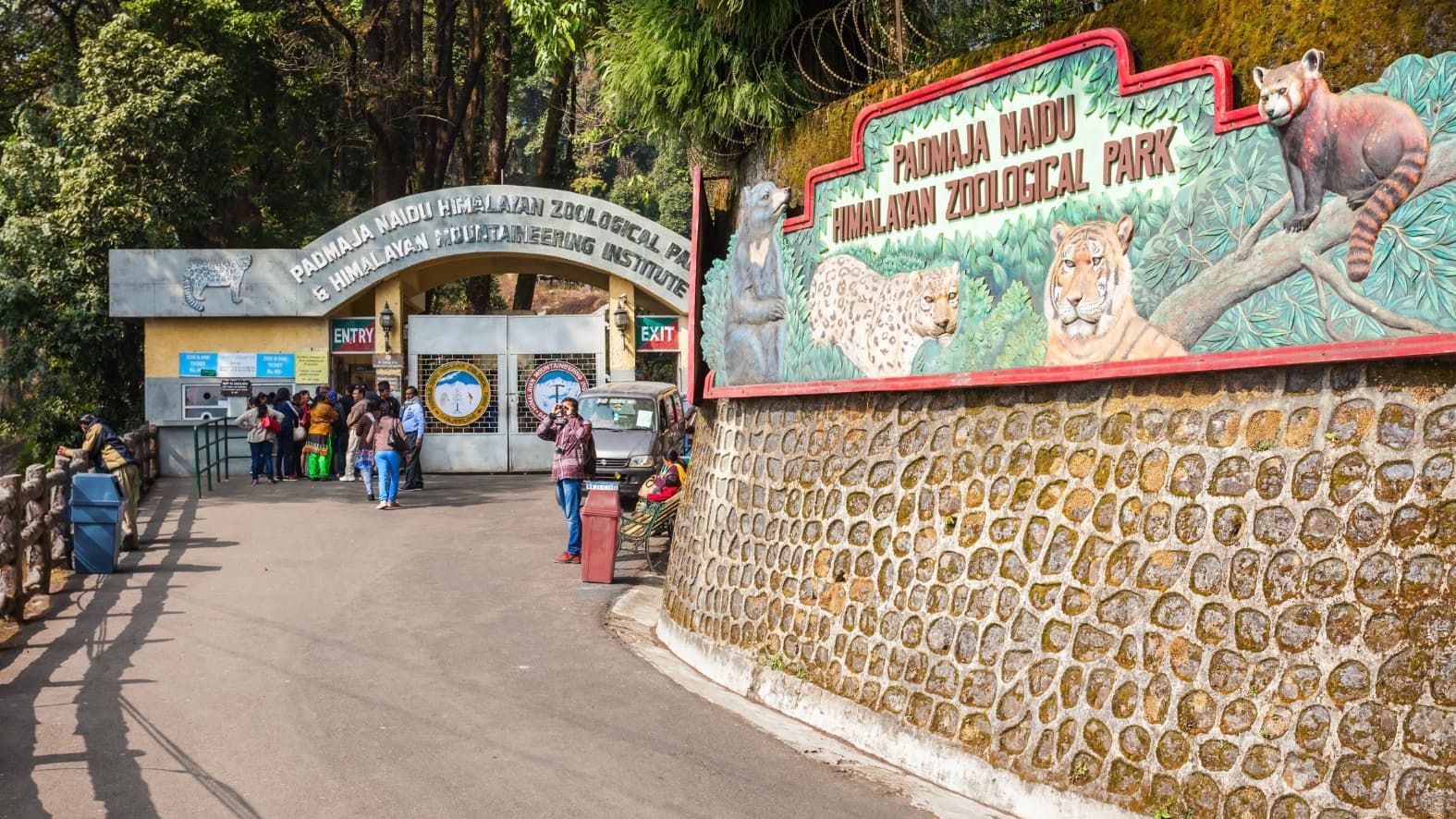
<p>The main entrance to the Padmaja Naidu Himalayan Zoological Park features a colourful mural of the zoo’s star residents, including the Snow Leopard, Tiger and Red Panda. (Shutterstock)</p>

The main entrance to the Padmaja Naidu Himalayan Zoological Park features a colourful mural of the zoo’s star residents, including the Snow Leopard, Tiger and Red Panda. (Shutterstock)
Conservation Heroes

<p>The Darjeeling Zoo plays a critical role in global conservation efforts to secure the future of the elusive <strong>Snow Leopard. </strong>(Shutterstock)</p>

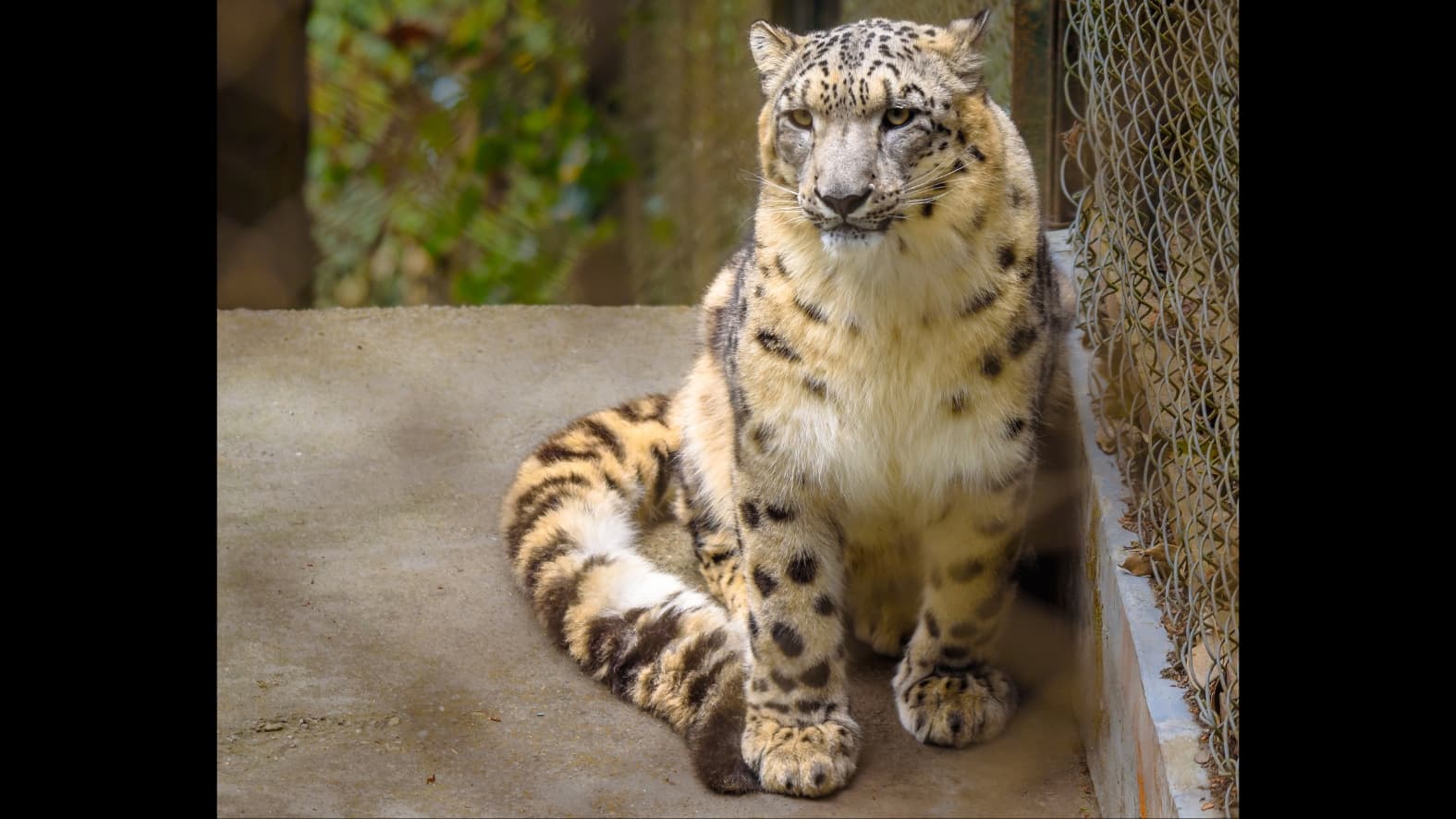
The Darjeeling Zoo plays a critical role in global conservation efforts to secure the future of the elusive Snow Leopard. (Shutterstock)

This 67-acre sanctuary, established in 1958, was created to study and protect wildlife adapted to harsh alpine conditions. Over the decades, it has grown into a global leader in conserving the so-called “Ghosts of the Mountains” and other fragile Himalayan species. Named after Padmaja Naidu, former Governor of West Bengal, the park is especially renowned for its pioneering conservation breeding programmes.

What truly sets this park apart is its impact beyond Darjeeling. It plays a key role in India’s red panda conservation efforts and is a recognised member of the World Association of Zoos and Aquariums (WAZA). The zoo has earned international attention for successfully breeding red pandas and reintroducing them into the wild forests of Singalila National Park. In 2014, the park received the Royal Bank of Scotland Earth Hero Award for its outstanding efforts in both in-situ and ex-situ conservation, standing out among more than 300 zoos worldwide.
A Natural Trek

<p>The <strong>Common Leopard</strong> moves silently through the wooded landscapes. (Picture by Nishankur Chawale, Wikimedia Commons)</p>

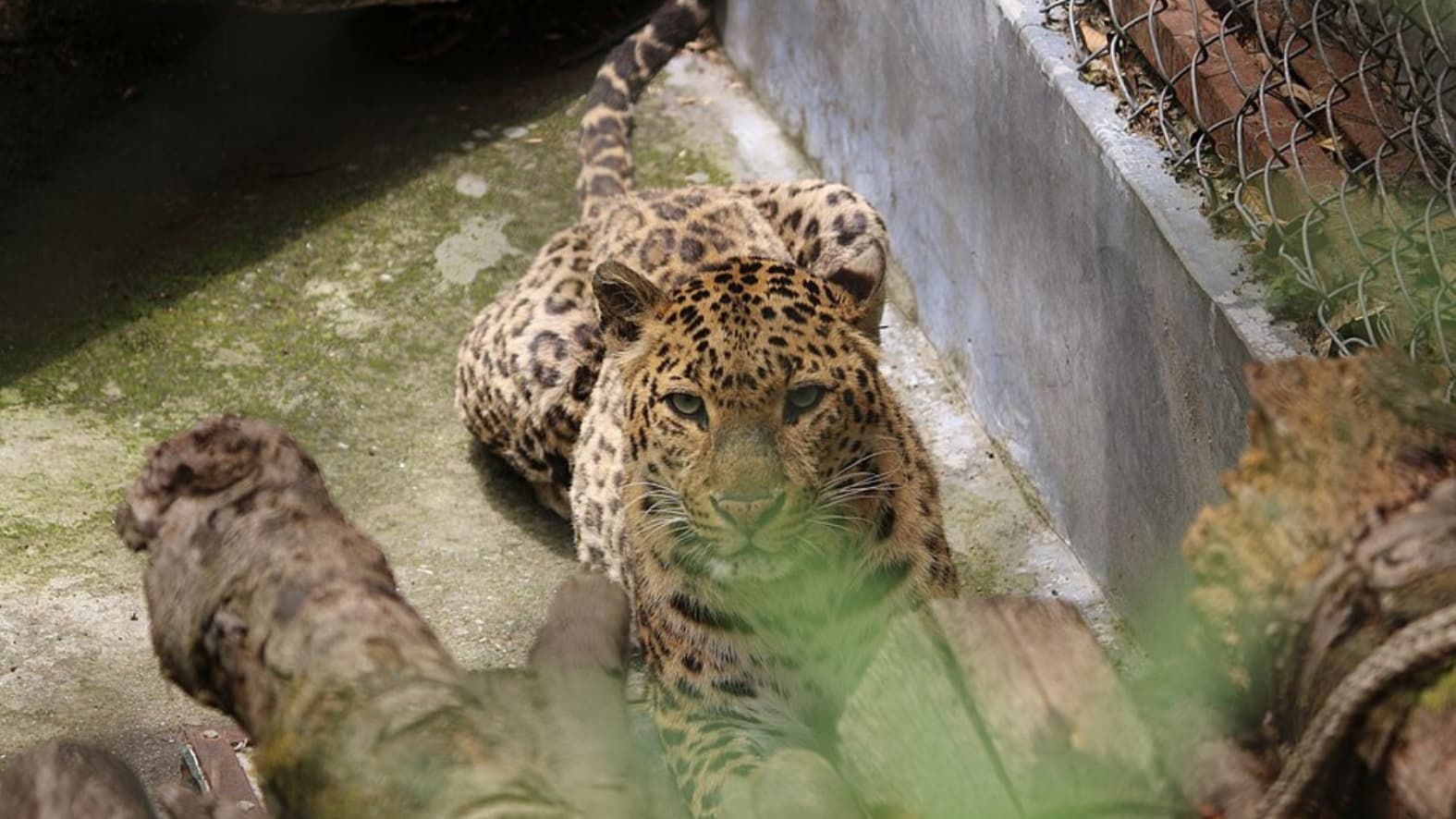
The Common Leopard moves silently through the wooded landscapes. (Picture by Nishankur Chawale, Wikimedia Commons)

The walking paths wind through actual forest settings. It feels less like a traditional zoo and more like a gentle hike through the woods. While there are some uphill sections (be ready for a piggyback request), the trails are well-maintained and very lush. On clear days, you can even spot snow-covered peaks, including the majestic Kanchenjunga. 

What You’ll See Inside


Darjeeling Zoo is dedicated to wildlife adapted to mountain forests and cooler climates. You won’t find elephants or savannah giants here. Instead, the park introduces visitors to rare Himalayan species that thrive in high-altitude environments such as —
<p><strong>Red pandas</strong> are the clear favourites. These endangered “fire foxes” can often be seen munching bamboo, climbing trees, or resting among branches — a moment children tend to remember long after the visit. (Picture by Rayan Madan, Wikimedia Commons)</p>

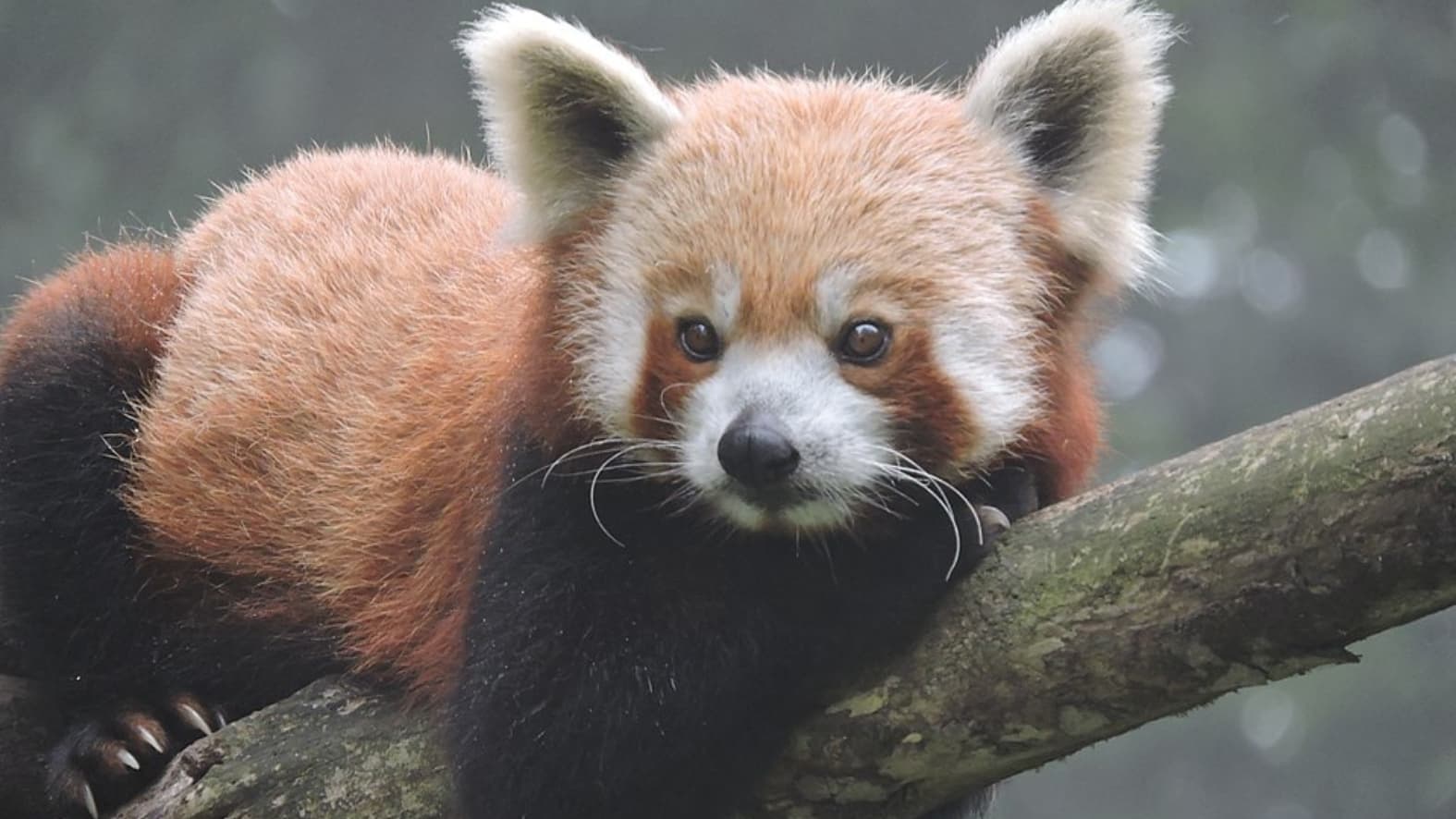
Red pandas are the clear favourites. These endangered “fire foxes” can often be seen munching bamboo, climbing trees, or resting among branches — a moment children tend to remember long after the visit. (Picture by Rayan Madan, Wikimedia Commons)
<p>The <strong>Himalayan Black Bear</strong> is a key inhabitant of the park’s forested slopes.&nbsp;</p>

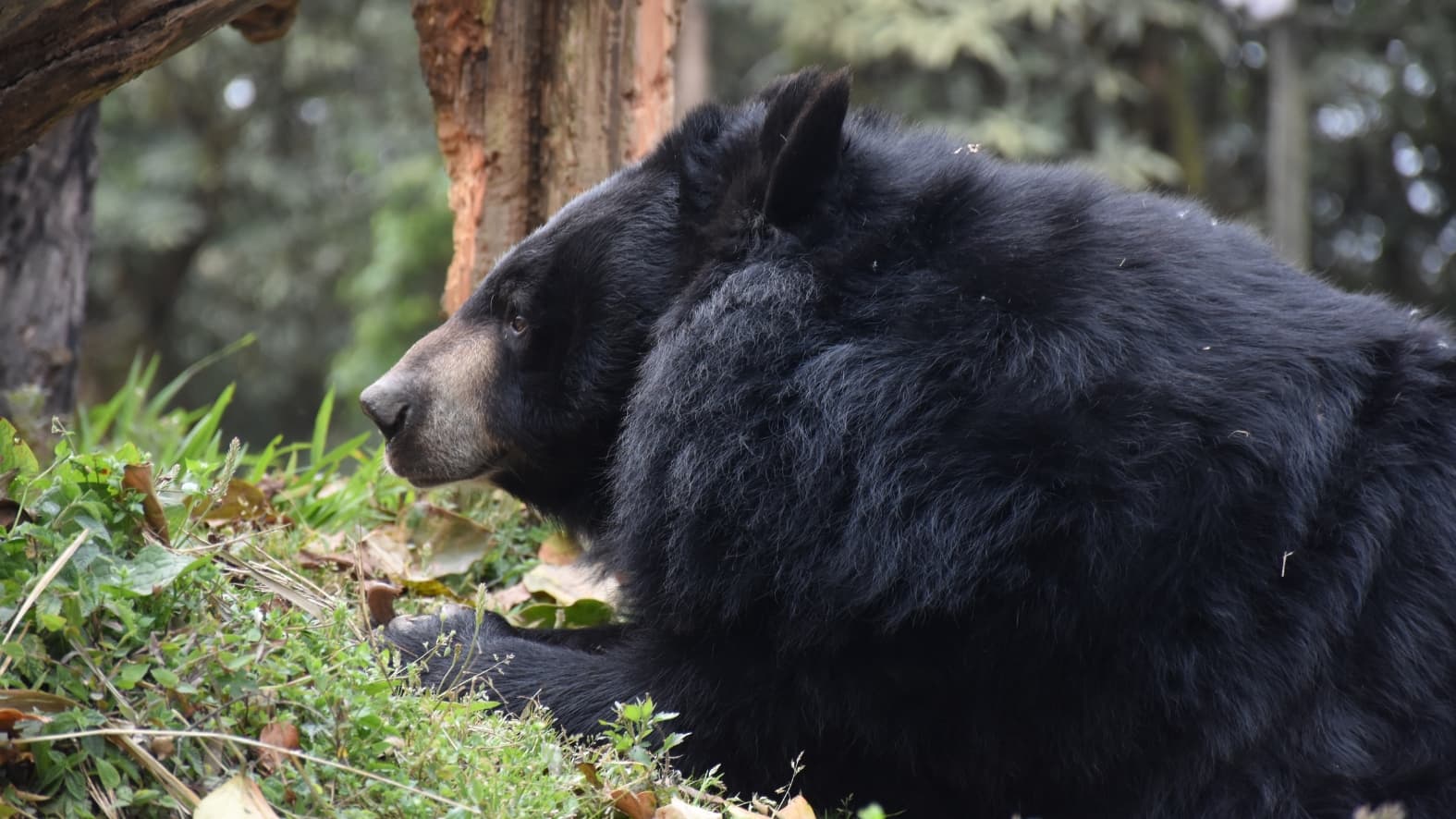
The Himalayan Black Bear is a key inhabitant of the park’s forested slopes. 
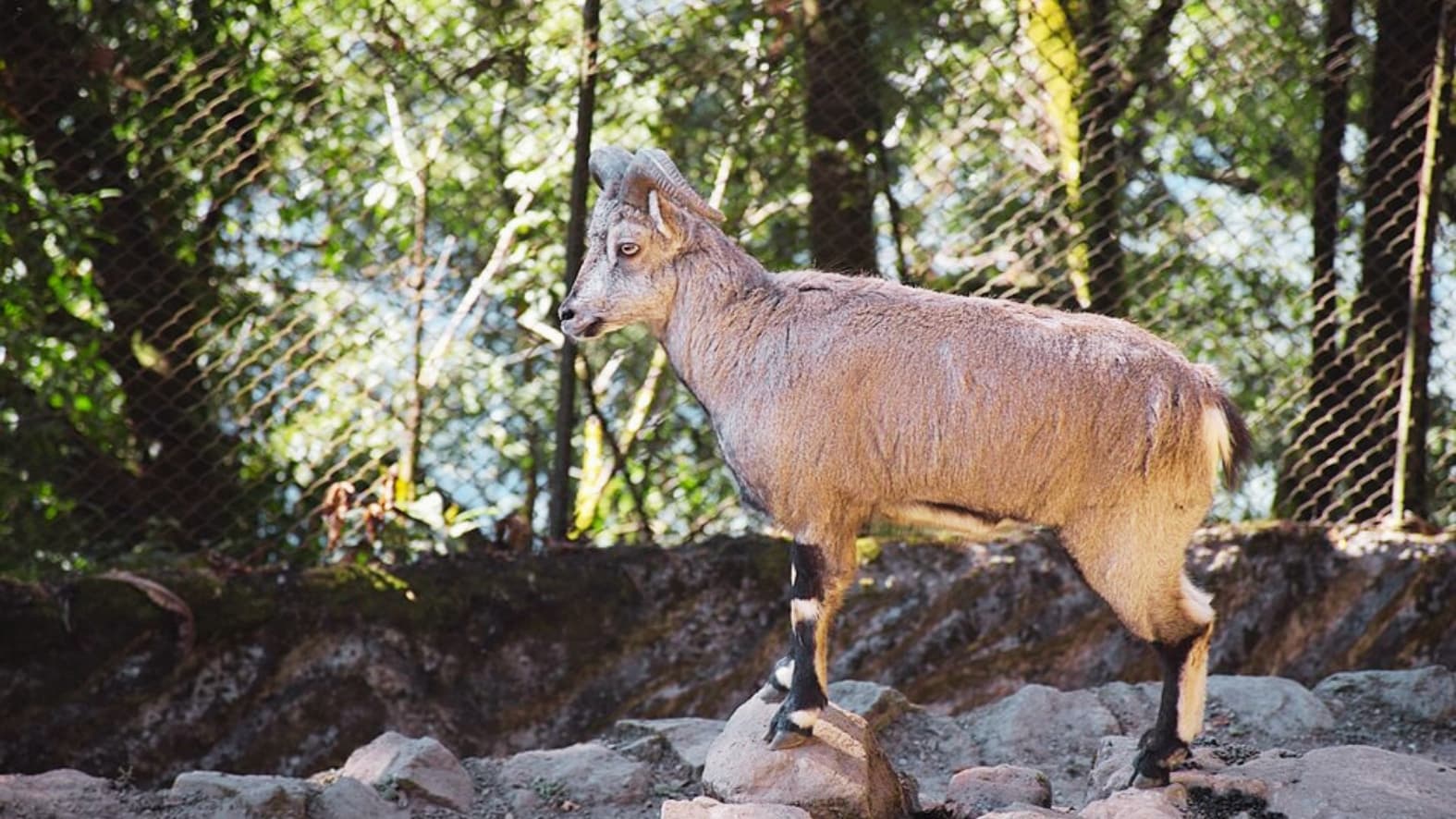
<p>A <strong>Blue Sheep</strong> stands poised on a rocky outcrop. (Picture by Alexandre Ultré, Wikimedia Commons)</p><p>&nbsp;</p>

A Blue Sheep stands poised on a rocky outcrop. (Picture by Alexandre Ultré, Wikimedia Commons)
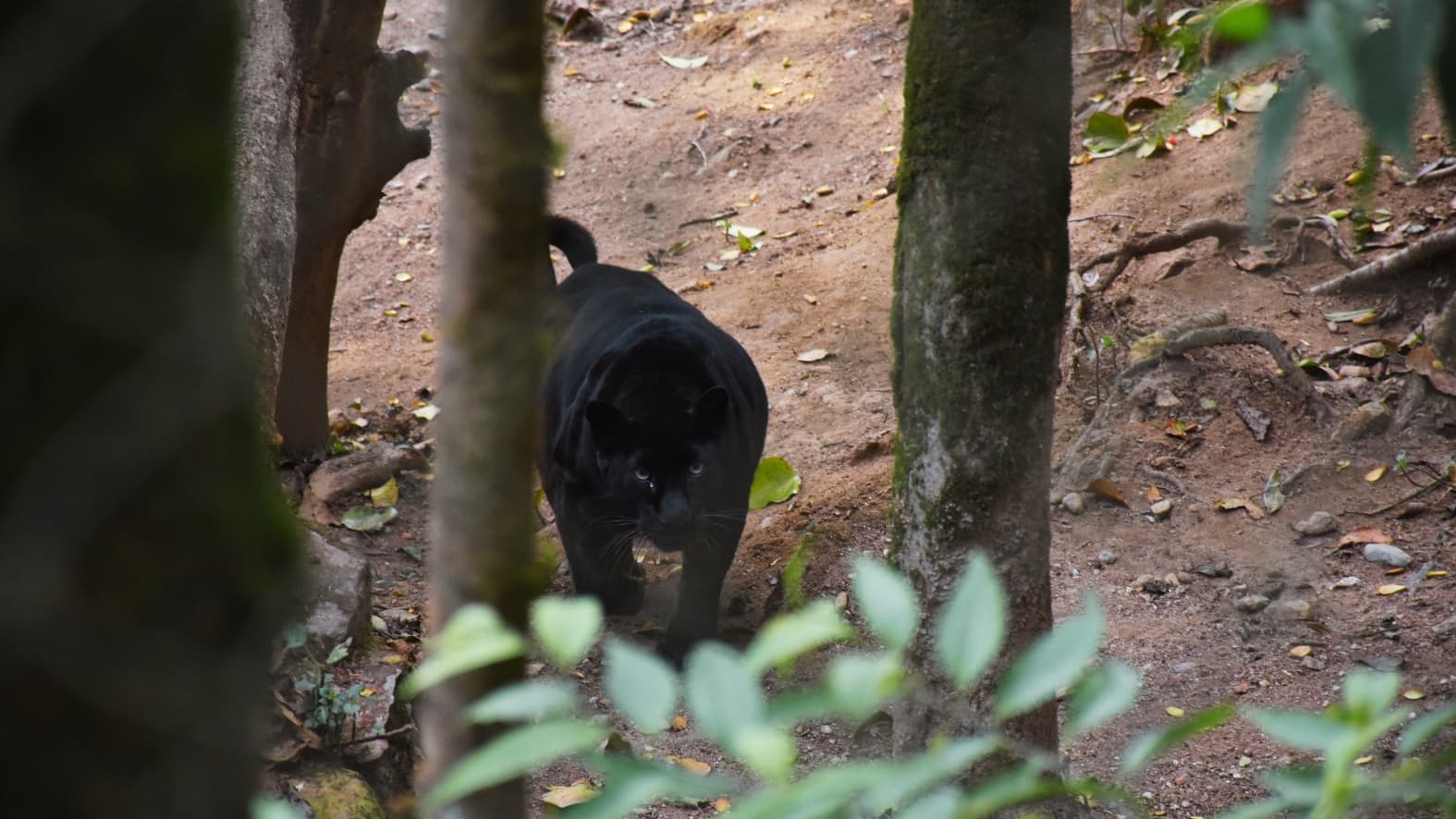
 

<p>A sleek <strong>Black Panther </strong>moves through the wooded landscape.&nbsp;</p>

A sleek Black Panther moves through the wooded landscape. 
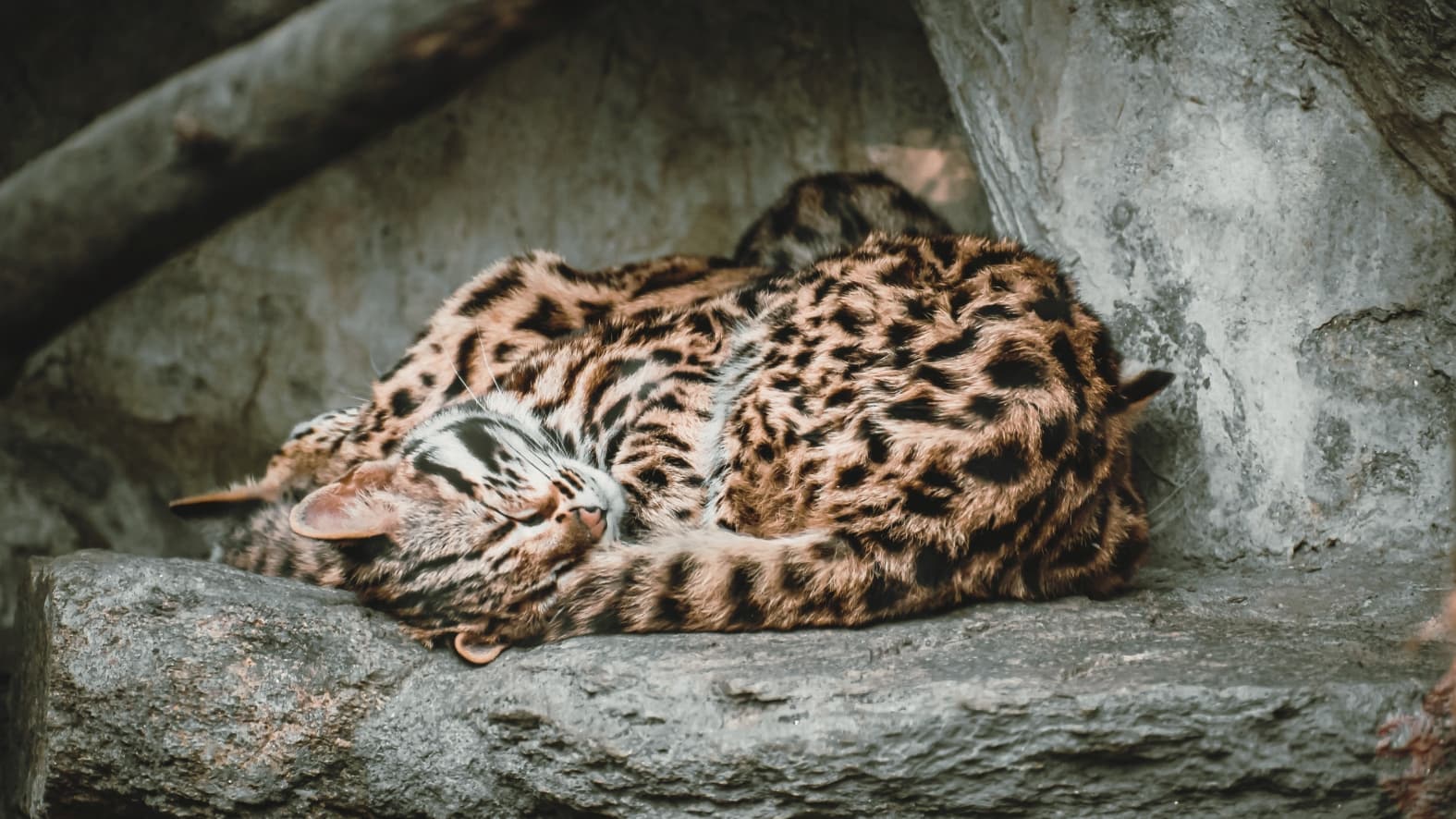
<p>Tucked away on a rock, a <strong>Leopard Cat</strong> takes a peaceful nap in the shade. (Shutterstock)</p>

Tucked away on a rock, a Leopard Cat takes a peaceful nap in the shade. (Shutterstock)
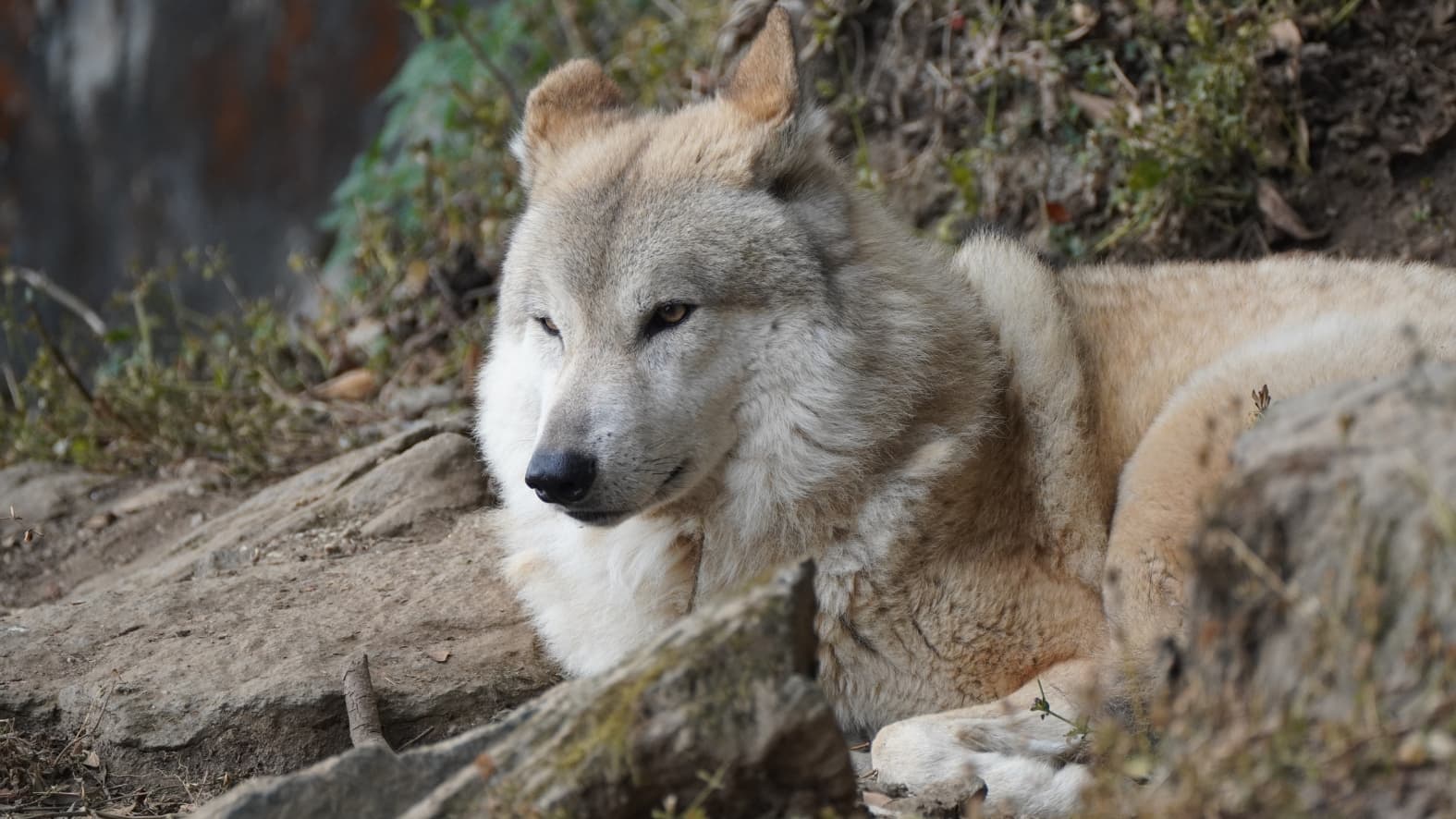
<p>A <strong>Himalayan Wolf</strong> rests on the rocky ground. (Shutterstock)</p>

A Himalayan Wolf rests on the rocky ground. (Shutterstock)
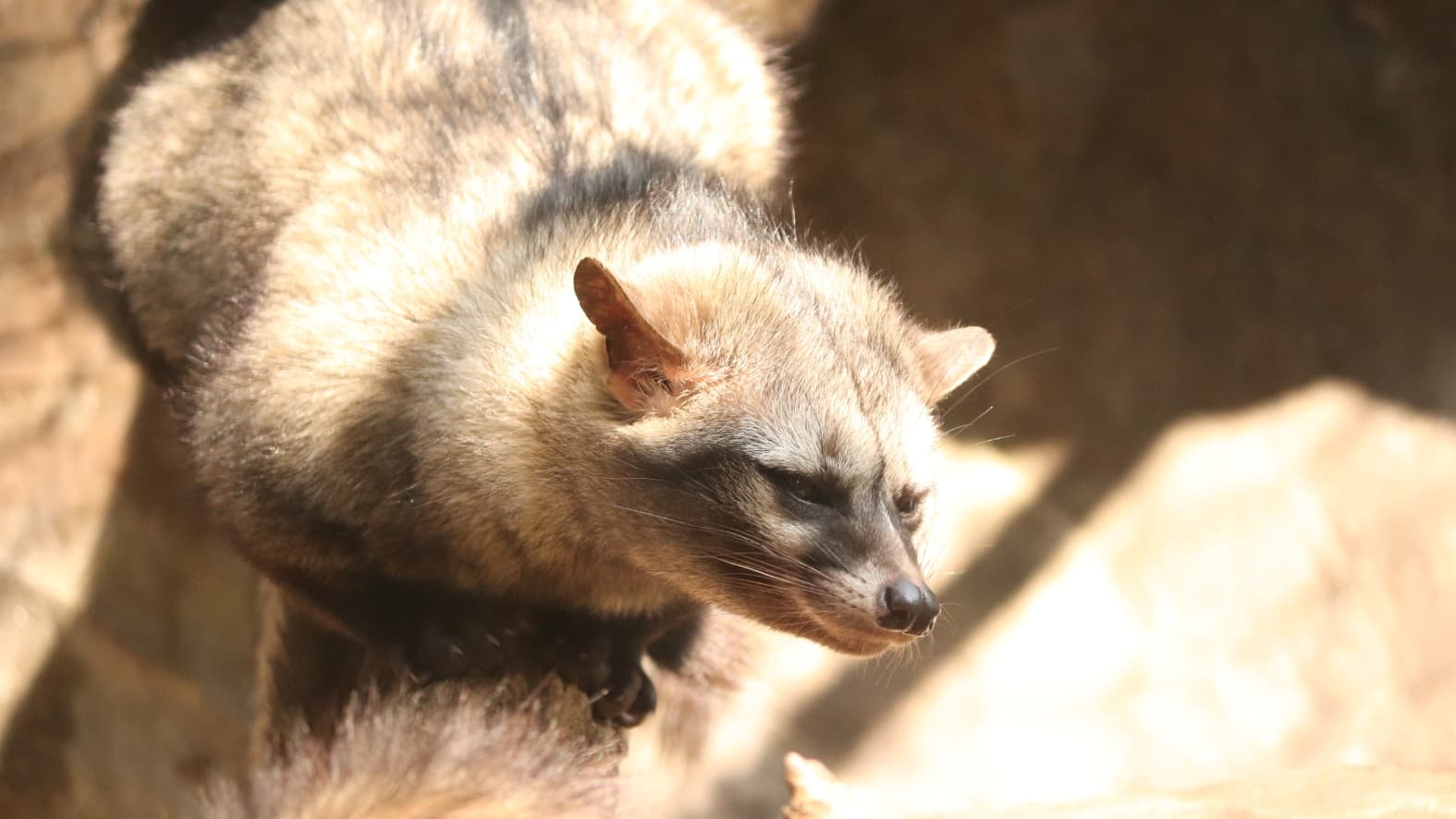
<p>A <strong>Himalayan Palm Civet</strong>, typically tucked away in the shadows, emerges briefly into the light. (Shutterstock)</p>

A Himalayan Palm Civet, typically tucked away in the shadows, emerges briefly into the light. (Shutterstock)
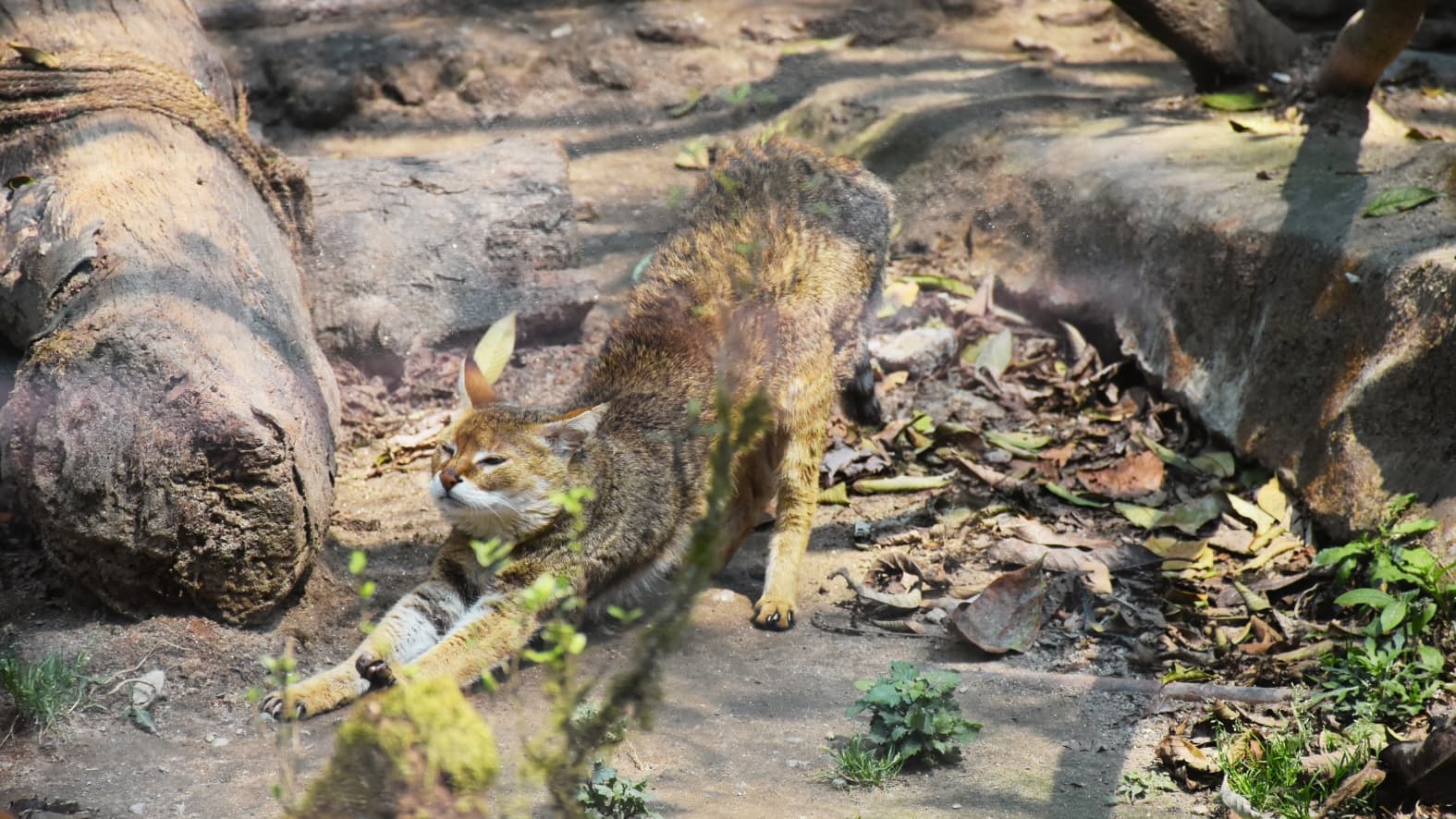
<p>A <strong>Jungle Cat</strong> pauses for a long stretch among the leaves and logs of its quiet habitat.</p>

A Jungle Cat pauses for a long stretch among the leaves and logs of its quiet habitat.
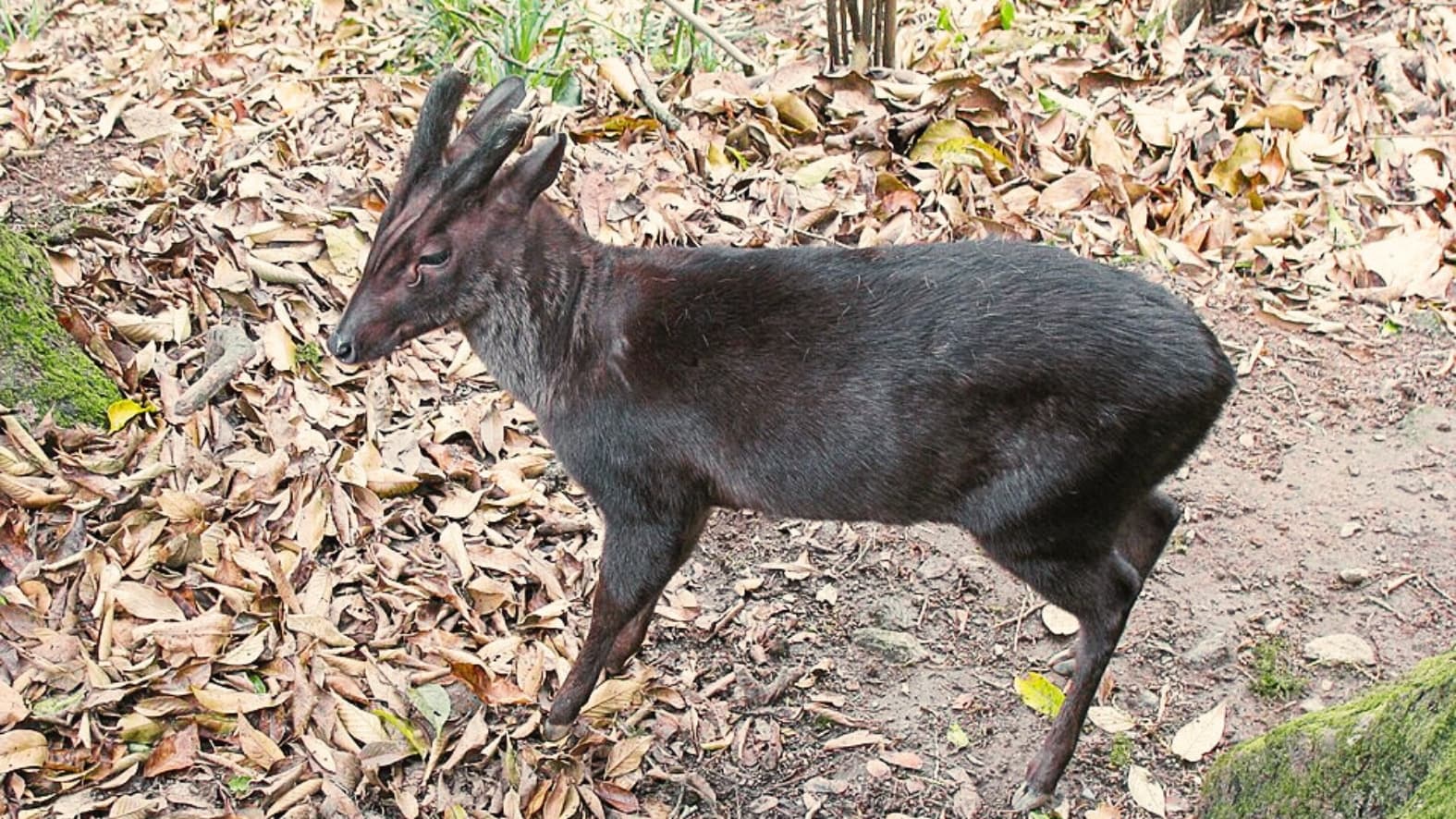
<p>A <strong>Barking Deer</strong> navigates the leaf-strewn forest floor of its enclosure. (Picture by shankar s., Wikimedia Commons)</p>

A Barking Deer navigates the leaf-strewn forest floor of its enclosure. (Picture by shankar s., Wikimedia Commons)
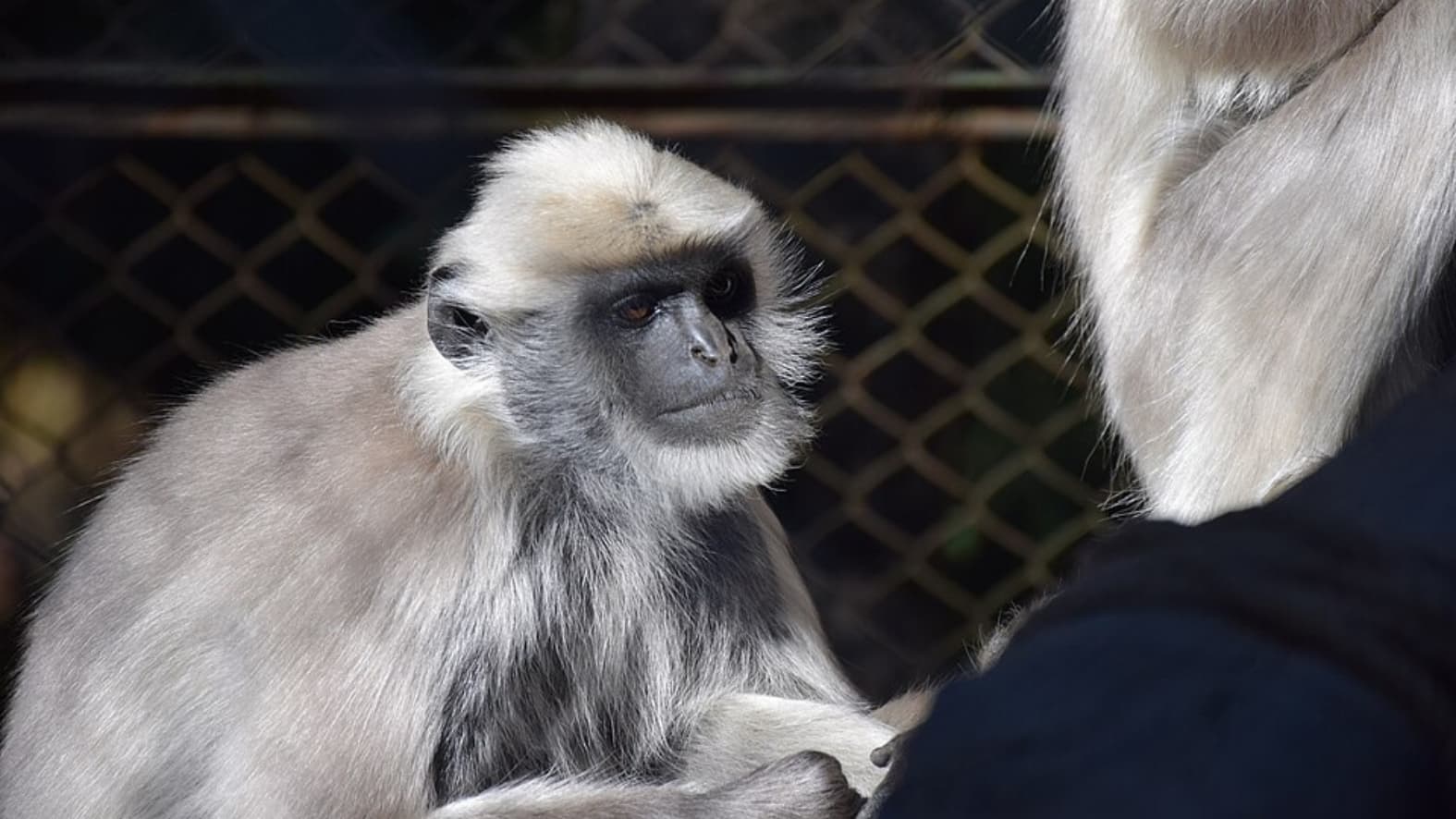
<p>A <strong>Langur Monkey</strong> gazes out from its perch, a common sight within the wooded sections of the park. (Picture by Alexandre Ultré, Wikimedia Commons)</p>

A Langur Monkey gazes out from its perch, a common sight within the wooded sections of the park. (Picture by Alexandre Ultré, Wikimedia Commons)
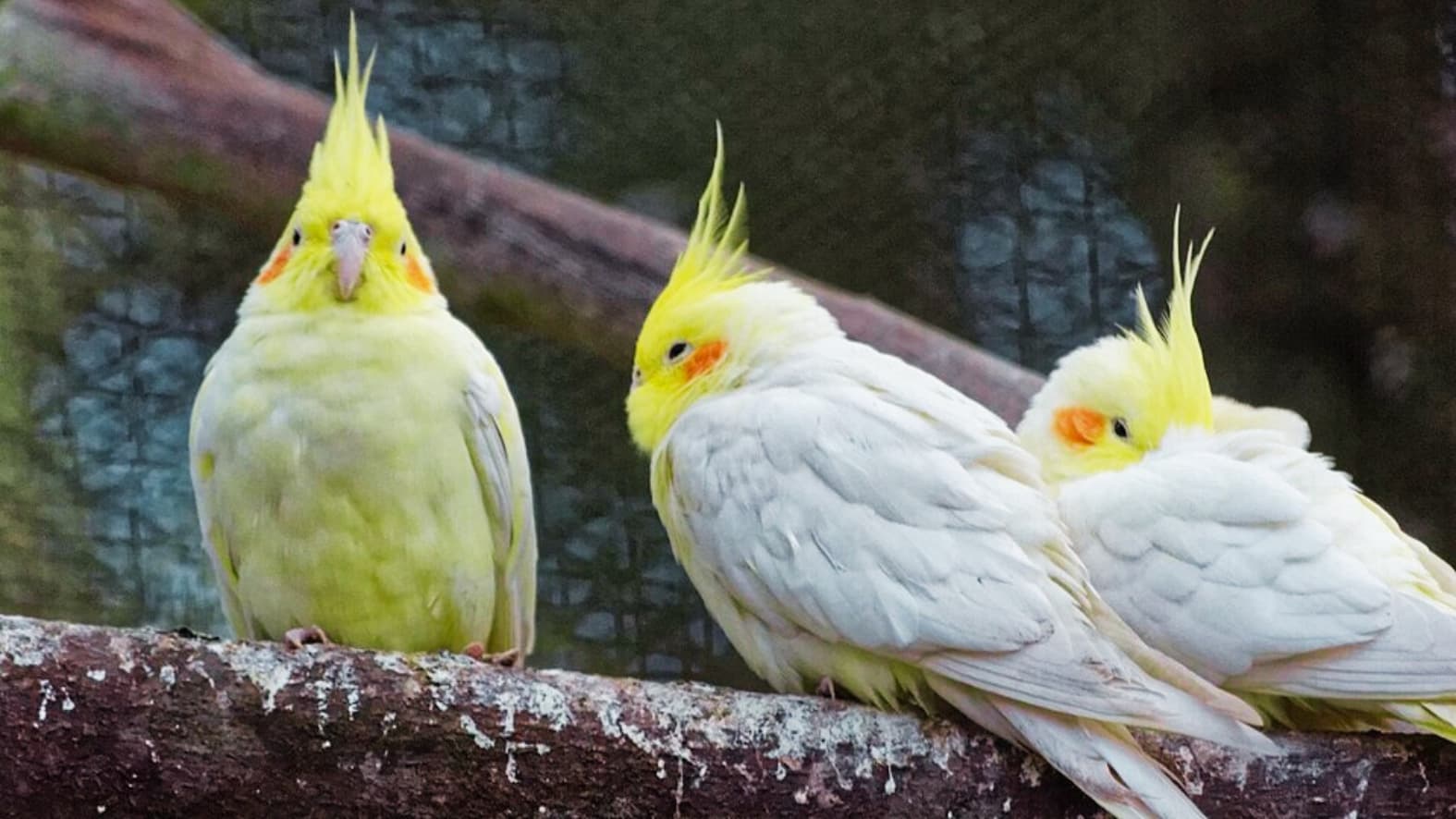
<p>The experience continues in the sprawling aviary and throughout the park’s lush canopy. The air is filled with the calls of exotic birds, from the vibrant&nbsp;<strong>Scarlet Macaw</strong> and&nbsp;<strong>Cockatiel</strong> (Picture by Slyronit, WIkimedia Commons) to the striking&nbsp;<strong>Temminck’s Tragopan</strong> and the&nbsp;<strong>Golden Pheasant</strong>.&nbsp;</p>

The experience continues in the sprawling aviary and throughout the park’s lush canopy. The air is filled with the calls of exotic birds, from the vibrant Scarlet Macaw and Cockatiel (Picture by Slyronit, WIkimedia Commons) to the striking Temminck’s Tragopan and the Golden Pheasant. 
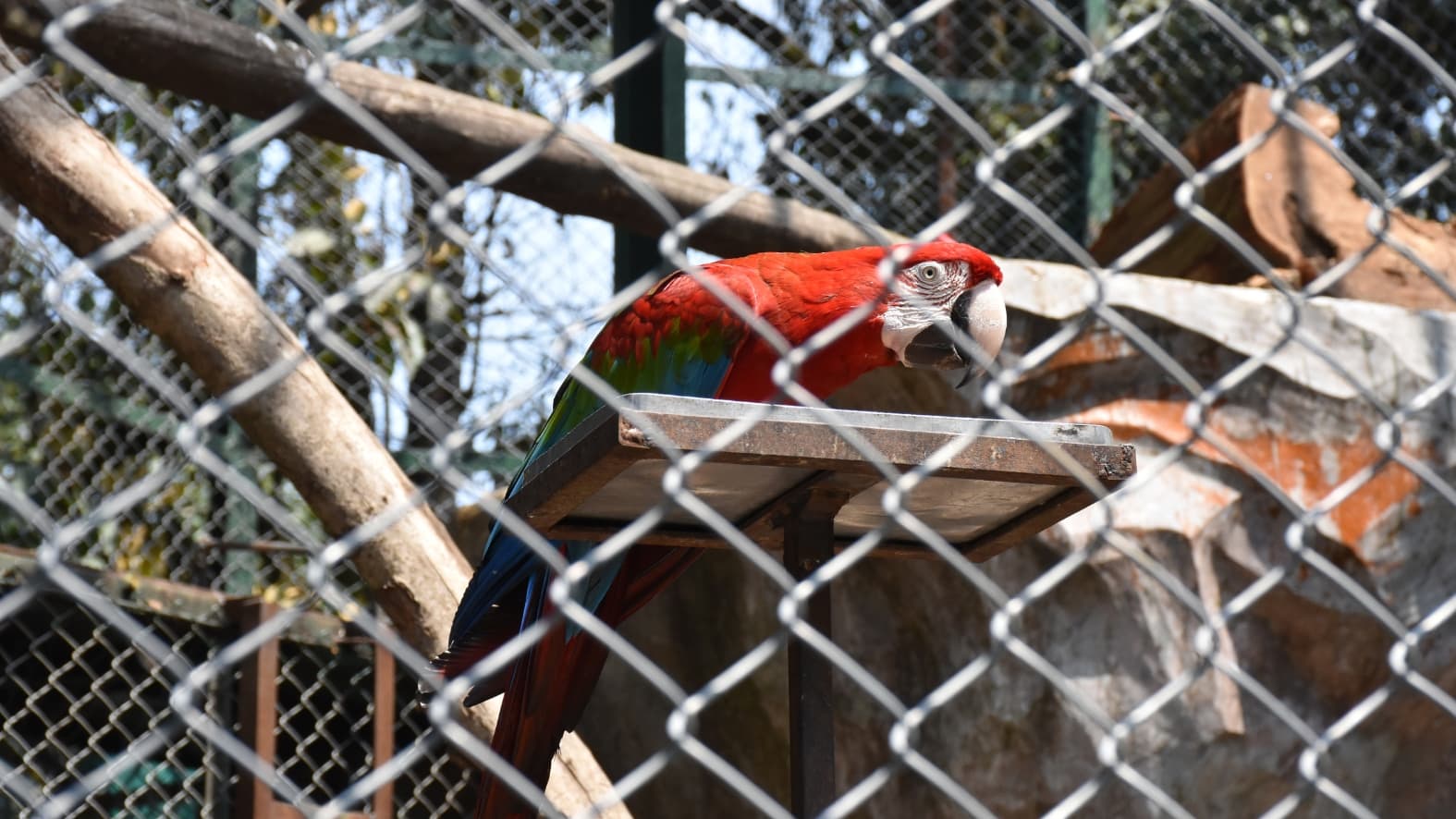
<p>The experience continues in the sprawling aviary and throughout the park’s lush canopy. The air is filled with the calls of exotic birds, from the vibrant&nbsp;<strong>Scarlet Macaw</strong> and&nbsp;<strong>Cockatiel</strong> to the striking&nbsp;<strong>Temminck’s Tragopan</strong> and the&nbsp;<strong>Golden Pheasant</strong>.&nbsp;</p>

The experience continues in the sprawling aviary and throughout the park’s lush canopy. The air is filled with the calls of exotic birds, from the vibrant Scarlet Macaw and Cockatiel to the striking Temminck’s Tragopan and the Golden Pheasant. 
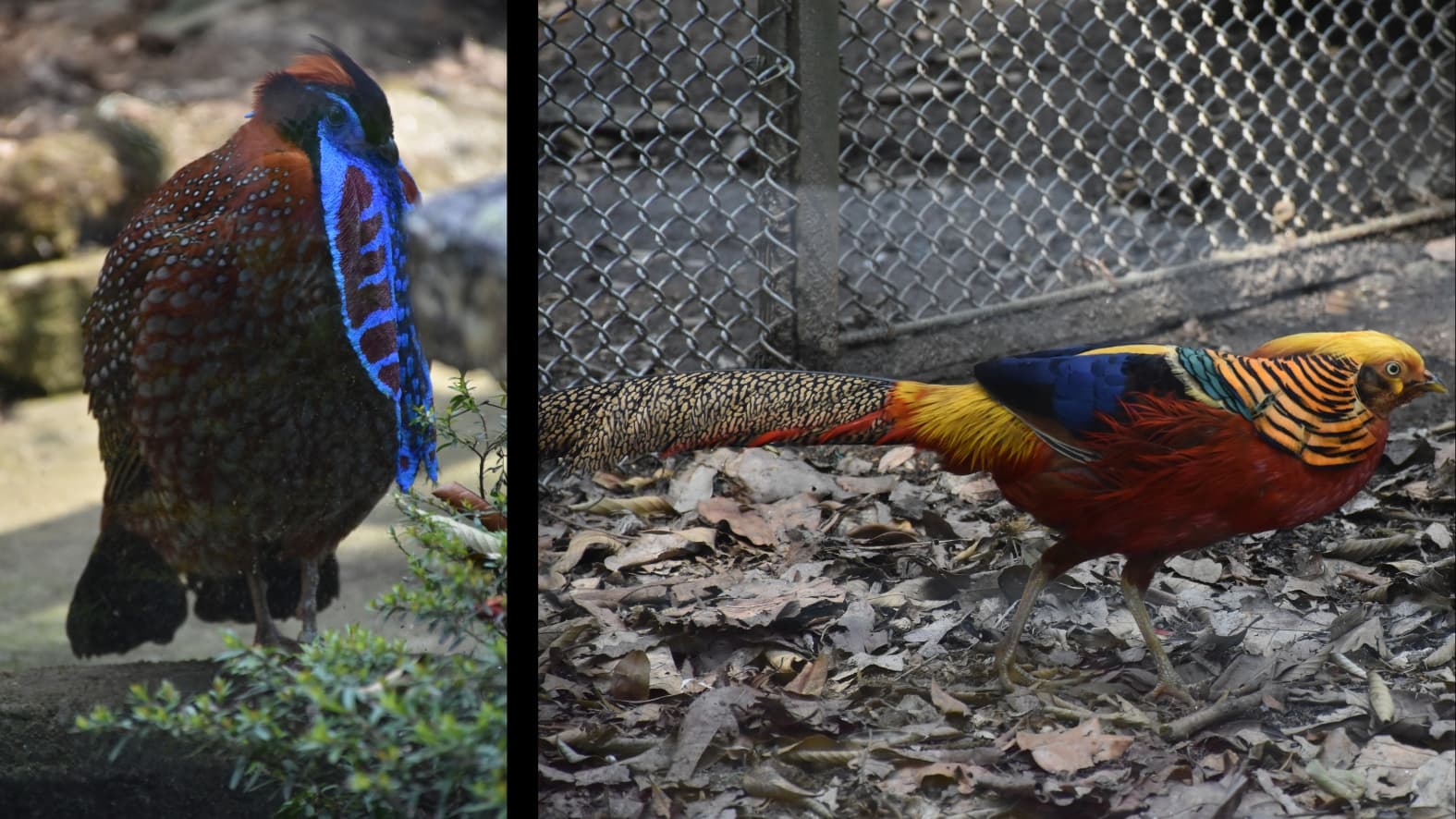
<p>The experience continues in the sprawling aviary and throughout the park’s lush canopy. The air is filled with the calls of exotic birds, from the vibrant&nbsp;<strong>Scarlet Macaw</strong> and&nbsp;<strong>Cockatiel</strong> to the striking&nbsp;<strong>Temminck’s Tragopan</strong> and the&nbsp;<strong>Golden Pheasant</strong>.&nbsp;</p>

The experience continues in the sprawling aviary and throughout the park’s lush canopy. The air is filled with the calls of exotic birds, from the vibrant Scarlet Macaw and Cockatiel to the striking Temminck’s Tragopan and the Golden Pheasant. 
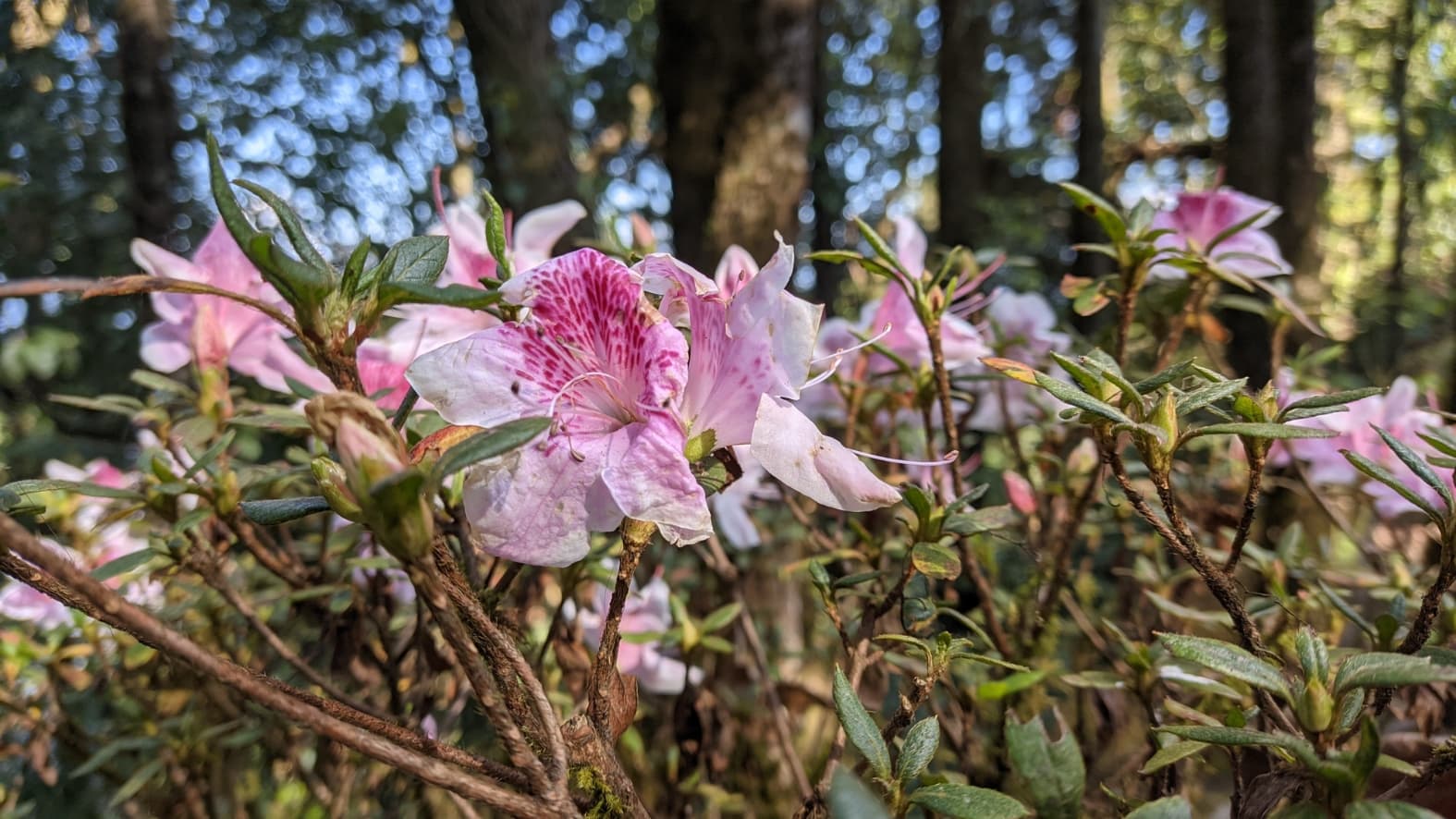
<p>The zoo doubles as a botanical garden. Walking trails wind through hundreds of native Himalayan plant species, including 60 varieties of orchids and oak trees over a century old.&nbsp;</p>

The zoo doubles as a botanical garden. Walking trails wind through hundreds of native Himalayan plant species, including 60 varieties of orchids and oak trees over a century old. 
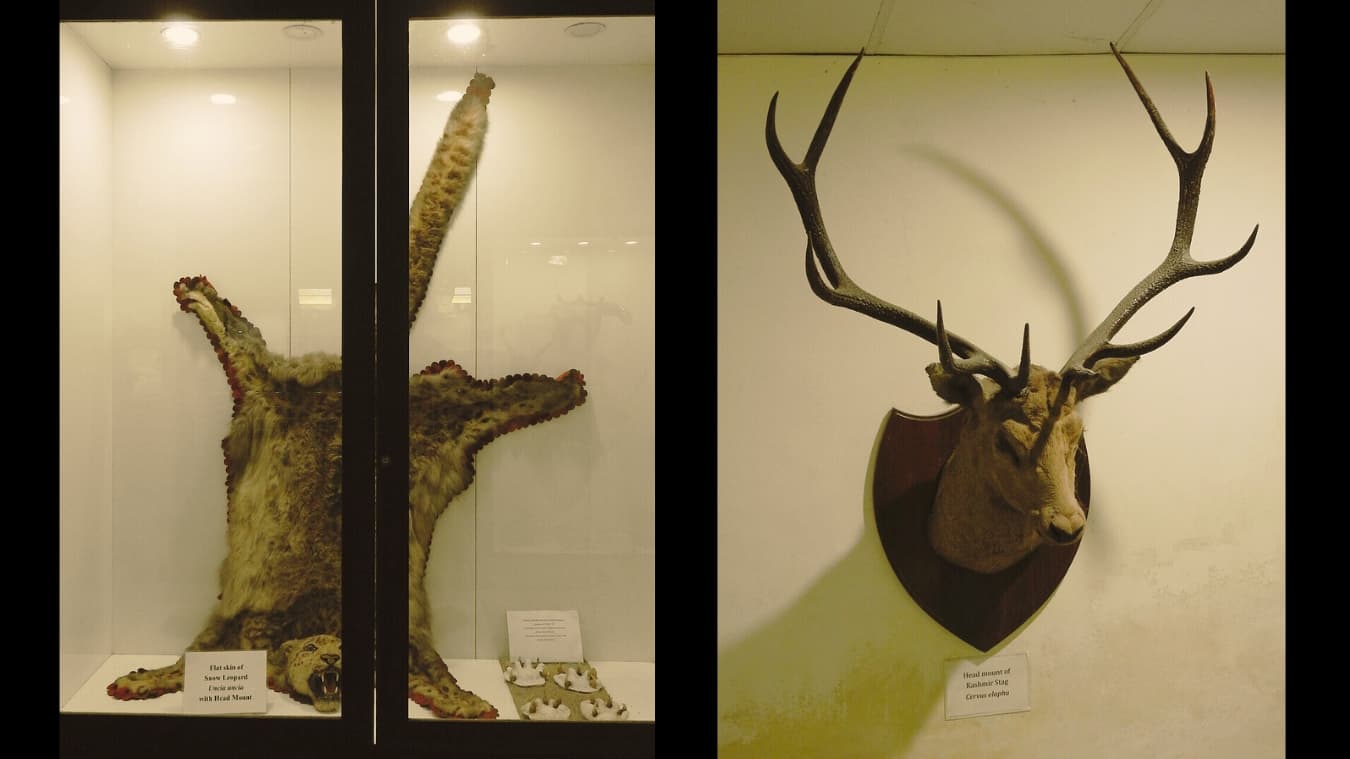
<p>Preserved specimens on display at the <strong>Bengal Natural History Museum</strong>, offer a closer look at Himalayan wildlife and the region’s rich natural history. (Picture by P Jeganathan, Wikimedia Commons)</p>

Preserved specimens on display at the Bengal Natural History Museum, offer a closer look at Himalayan wildlife and the region’s rich natural history. (Picture by P Jeganathan, Wikimedia Commons)

Don't miss the Bengal Natural History Museum within the same complex. Its exhibits on regional birds, butterflies, mammals and geology help children understand the Himalayan ecosystem beyond the enclosures. For curious young minds, it feels like discovering a quiet treasure house of mountain mysteries.

Pro Tip: If your family falls in love with a particular resident, ask about the Zoo Adoption Program. You can symbolically adopt an animal to help pay for its care. It is a beautiful way to teach kids about taking responsibility for nature.
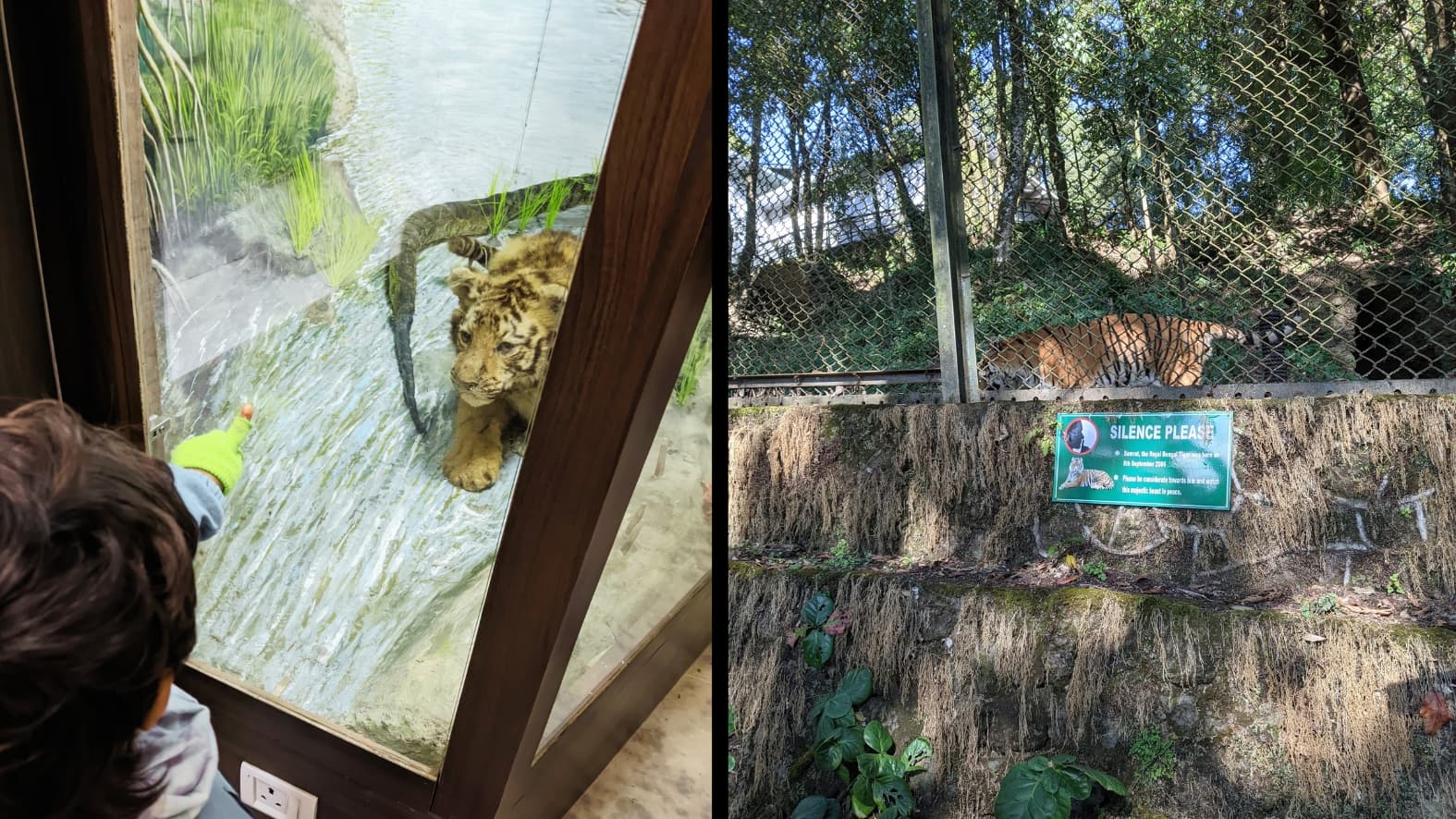
<p>(left) A replica of a tiger cub on display at the Bengal Natural History Museum within the same complex;&nbsp;<br>(right) A powerful <strong>Bengal tiger</strong> moves through a forested enclosure.</p>

(left) A replica of a tiger cub on display at the Bengal Natural History Museum within the same complex; 
(right) A powerful Bengal tiger moves through a forested enclosure.

Make the most of your visit

<p>The Himalayan Mountaineering Institute displays the historic climbing gear used by Tenzing Norgay during his legendary ascent of Everest. (Picture by Sumitsurai, Wikimedia Commons)</p>

The Himalayan Mountaineering Institute displays the historic climbing gear used by Tenzing Norgay during his legendary ascent of Everest. (Picture by Sumitsurai, Wikimedia Commons)

  • Start early, around 9am, when animals are most active and before the biggest crowds arrive.
  • Dress in layers. Mountain weather changes quickly, so bring a light jacket even if it feels warm when you leave your hotel.
  • Your entry ticket is a three-in-one pass that includes the zoo, Himalayan Mountaineering Institute and Bengal Natural History Museum. It's excellent value for a full day of adventure and exploration. Make sure to visit the Mountaineering Institute while you're there; it’s located within the same complex and is just a 5-minute walk from the zoo. It features original gear used by the first Everest summiters, which is always a hit with older kids.
  • Vehicles cannot drive directly to the zoo entrance. Expect a short, brisk uphill walk from the designated drop-off area. Battery-operated carts are sometimes available between certain points for visitors who need assistance, depending on the season.
  • Browse the stalls outside the main gate for local handicrafts, woollens and Himalayan spices before you leave.

Best time to visit: March to June or September to January for clear mountain views.

Entry Fee: Rs 110 for Indian and SAARC visitors. Rs 180 for Foreign Nationals. Free for children under 6.

Timings: 8.30pm to 4.30pm in summer and until 4pm in winter. Closed every Thursday.

How to get there: A scenic 30 minute walk from Chowrasta (the Mall Road) or a short taxi ride.

Related Posts

Inside the newest zoo in Kolkata

Harinalaya Mini Zoo is another spot to enjoy wildlife in the city

Mountain getaways around Darjeeling

For treks, birdwatching or simply some quiet time

Padmaja Naidu Himalayan Zoological Park

Search