A joint initiative by



 Published on 2026-02-28Updated on 2026-02-28
Food scientist Louise Fresco has famously remarked: "Food, in the end, in our own tradition, is something holy. It's not about nutrients and calories. It's about sharing. It's about honesty. It's about identity."
One of the surest ways to understand a place is through its cuisine. Every cuisine is made up of many kinds of dishes. Some command attention and quickly harden into culinary stereotypes. Others remain understated and seldom catch a traveller's eye. Yet it is in these everyday preparations that a community's habits and histories most clearly endure.
Most visitors to Kurseong arrive with a familiar checklist: Darjeeling tea, momos, chow mein. They are ubiquitous for good reason and hardly to be missed. Yet they only skim the surface. Step into a home in mist-laden Kurseong and you encounter a different vocabulary of taste altogether. What follows is a glimpse into that world.

Picture by Ashishlohorung, Wikimedia Commons.
A staple in Nepali households, selroti has long been synonymous with celebration, traditionally prepared during Dashain and Tihar, when the smell of frying batter fills homes across the hills. Over time, it has travelled well beyond festive kitchens and is now enjoyed throughout the year, its lightly sweet, gently crisp character making it a natural companion to a cup of warm tea.
The process begins with rice flour. In some homes, rice is still pounded by hand using the okhli (a traditional mortar) and musli (pestle), or the larger foot-operated dhiki (a traditional wooden lever). It is then sieved through a chalni (small sieve) until the right texture is achieved, a labour-intensive method that older generations are reluctant to abandon.
Today, ready-made flour and mixer grinders are common alternatives, though purists will note the difference. The flour is then combined with milk, ghee and sugar to form a batter, which is carefully poured into hot oil and fried into selroti's distinctive ring shape.
In Kurseong, the snack has found a comfortable home in small shops and neighbourhood stalls, particularly around the town centre, where it is sold throughout the day to locals and visitors alike.
Picture by author.
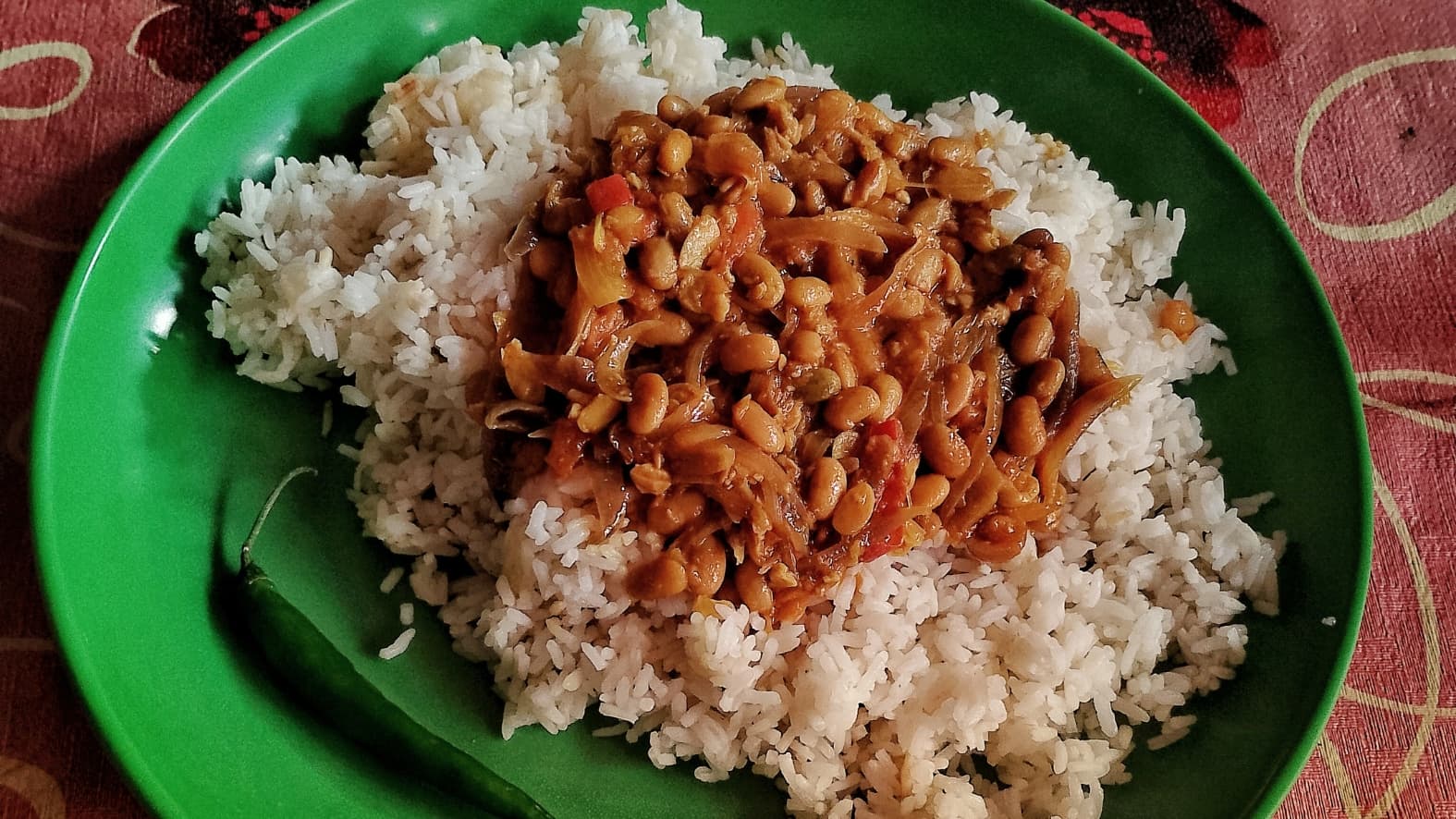
This dish comes with a small disclaimer: it is an acquired taste that divides opinion sharply, yet no serious account of hill food culture can afford to leave it out.
Like many fermented foods, kinema is an exercise in patience. Soybeans are boiled and left to ferment for several days, developing a strong, pungent aroma long before they come anywhere near a plate. Once fermented, they are cooked with onions, tomatoes and chillies. The seasoning is kept deliberately minimal so as not to overpower the soybeans themselves, which remain the unambiguous point of the dish.
Kinema is best eaten with plain rice, with nothing else competing for attention. It is not the kind of food that translates easily to restaurant menus and indeed it is rarely found in Kurseong's dining establishments. To taste it as it is meant to be eaten, one must either prepare it at home or seek out a homestay where cooks are willing to make it on request. Many such homestays in places like Gidda Pahar, Dumaram, Naya Busty and Dowhill are often happy to oblige, offering visitors the chance to encounter kinema in its most authentic setting.
Picture by Krish Dulal, Wikimedia Commons.
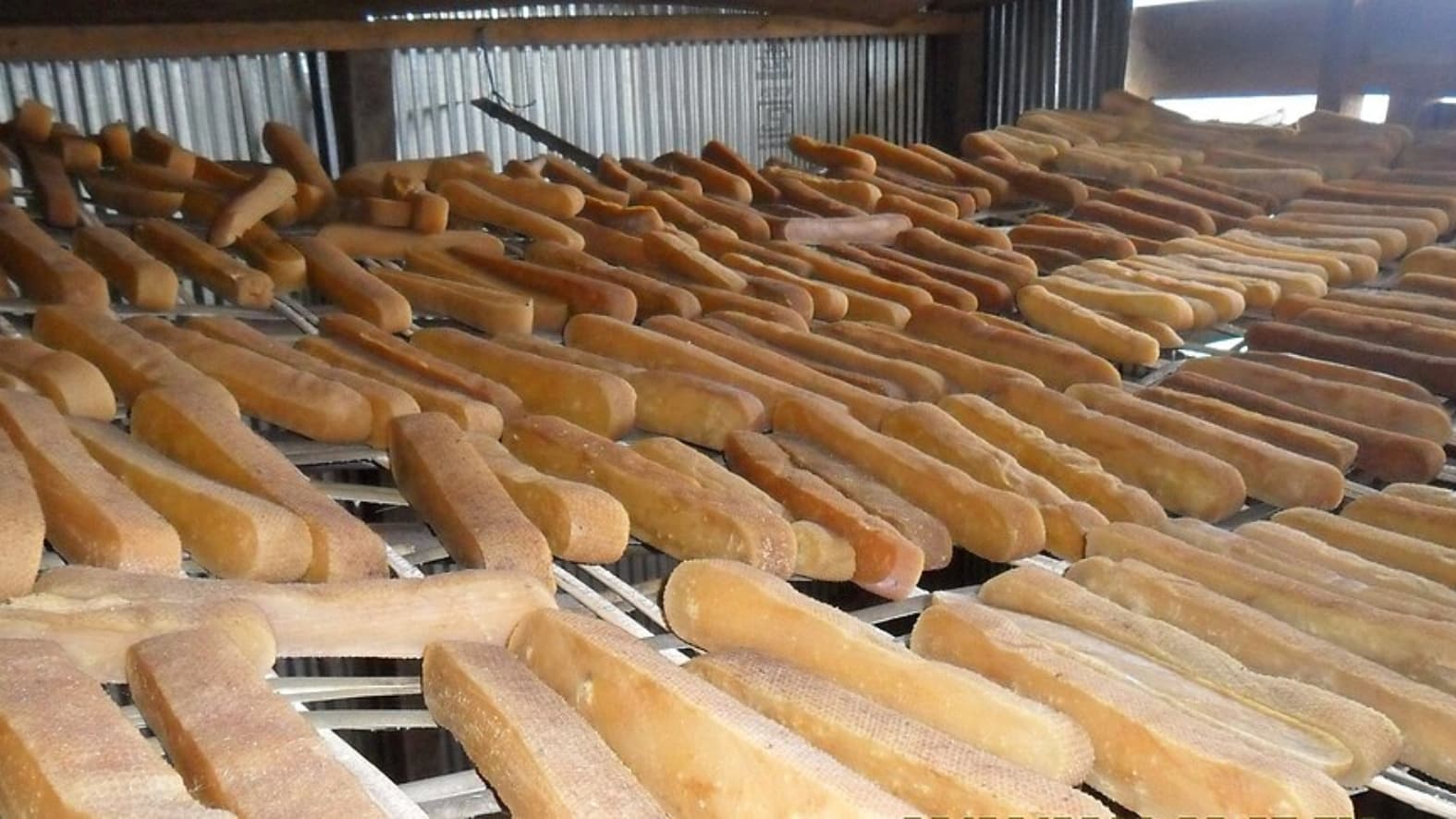
If you have seen pale, skin-coloured cubes in local shops and wondered what they are, you have likely encountered churpi. A common snack across the region, it serves a dual purpose: something to occupy the mouth and, locals will tell you, a reliable defence against the cold.
Made from yak or cow's milk, churpi is hardened cheese dried until it becomes dense and rock solid. It is not eaten in haste. A single piece is chewed slowly, often over the course of an hour or more, worked gradually while its owner goes about other business. Only once it softens does its flavour reveal itself, mild and faintly milky, understated in a way that seems fitting for something demanding such patience.
Darker pieces tend to be harder than lighter ones, which are usually preferable for first-time tasters. Churpi is widely available in Kurseong's markets and small shops, particularly in the colder months.
Pictures by author.
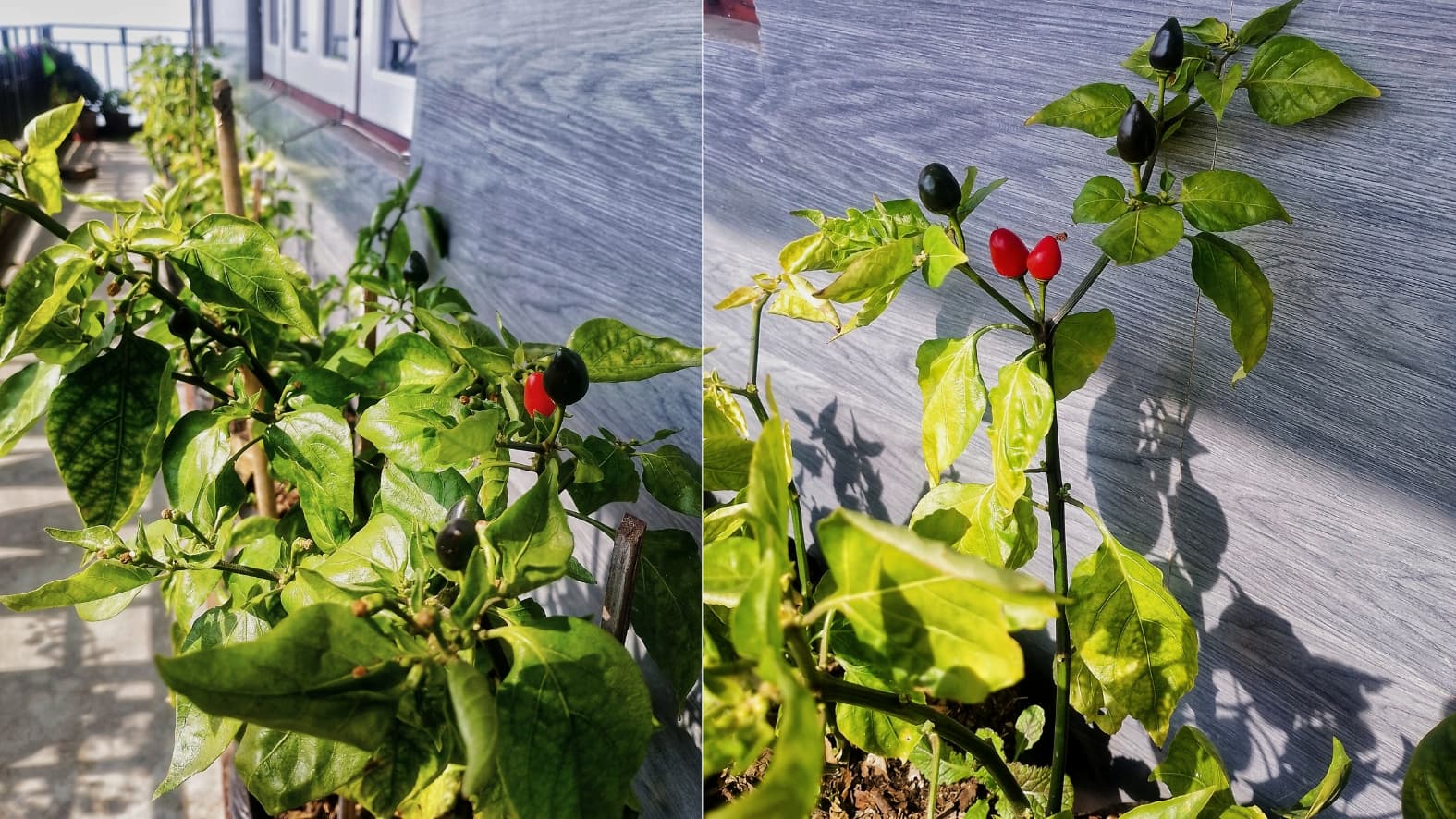
If you have wondered why the chutneys served alongside momos and noodles in the hills taste intensely hot yet deeply flavourful, the answer is almost certainly dalle khorsani. These small, round chillies, found in both red and green, are known for their sharp, immediate heat and a distinctive fragrance that sets them apart from ordinary chillies.
Often grown at home in gardens or pots, dalle reflects a quiet culture of everyday self-sufficiency. It is eaten fresh or crushed into chutneys and the heat it delivers is not empty; it carries an aroma that makes it genuinely prized. For year-round use, dalle chillies are commonly preserved in jars and pickled in oil or salt. They are seasonal, available mostly from August to November and widely found in Kurseong's markets when the time is right. Visitors with a taste for heat would do well to carry a small jar home.
Picture by Sharada Prasad, Wikimedia Commons.
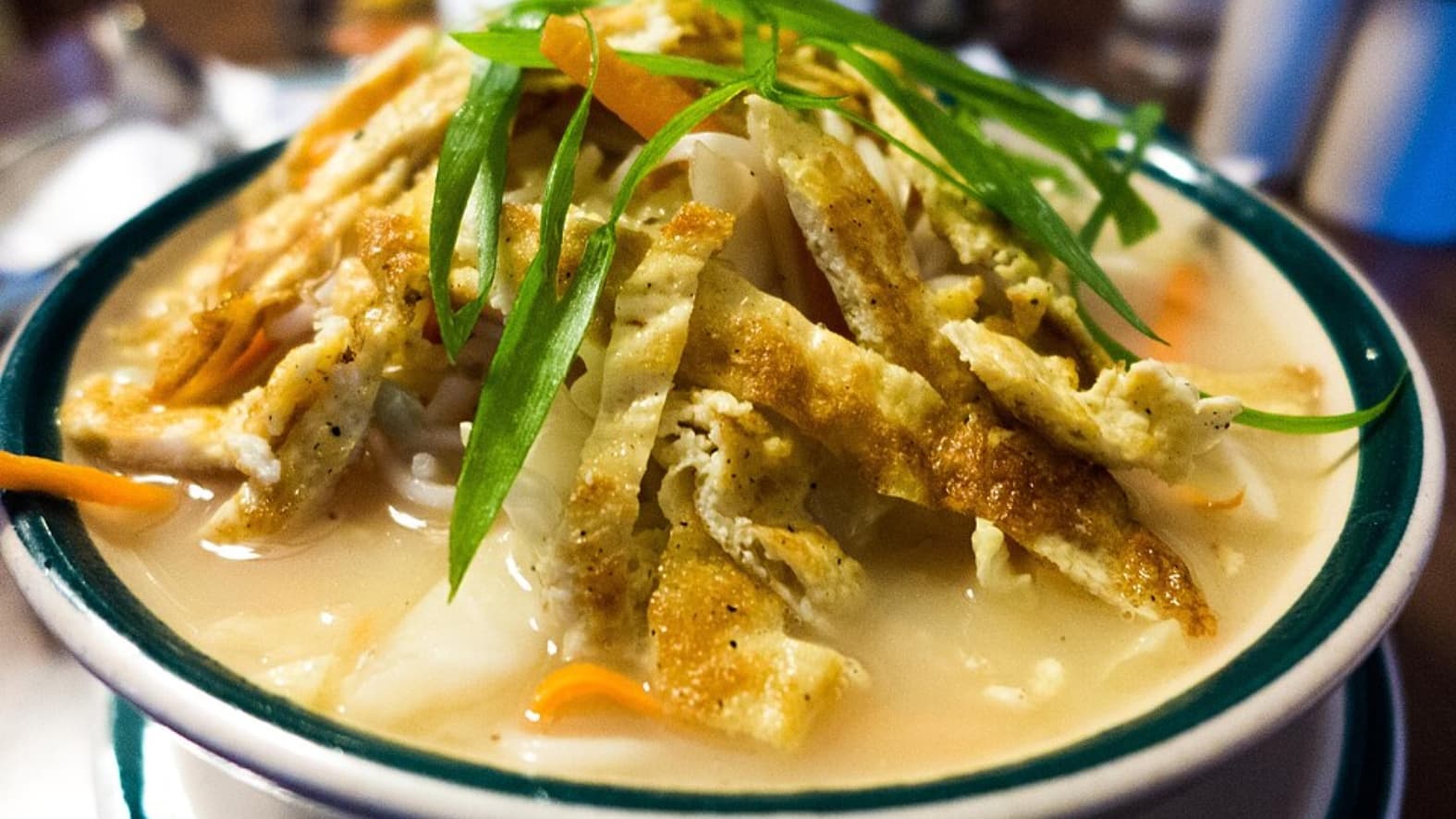
On cold evenings in the hills, few things feel as inevitable as thukpa. A warm noodle soup in a comforting broth, it arrives steaming and generous. Prepared with fresh local vegetables and a choice of meat, the broth is lightly seasoned and suited to the weather outside.
A good thukpa is often finished with sukuti, dried or smoked meat finely chopped and scattered over the top alongside diced onions and minced coriander. No two bowls are quite the same, yet the heart of the dish remains constant: warm, filling and uncomplicated in the best sense. Many places now offer atta (whole wheat flour) noodles alongside the regular kind, making the dish a little lighter and more suited to everyday eating. Thukpa is available year-round in Kurseong, in small eateries, roadside kitchens and local cafés, the kind of places where it has always belonged.
These foods rarely feature as menu highlights, nor do they dominate the popular imagination. They are ordinary and often unnoticed, yet they form the culinary backbone of Nepali culture in the hills. In Kurseong, they are eaten not for novelty but because they feel like home.