
A joint initiative by



 Published on 2026-02-10Updated on 2026-02-10
By the end of 2025, the Union Tourism Ministry ranked West Bengal as the second most visited state in India and in the country’s collective imagination, its hills — Darjeeling above all — remain a timeless destination. When city life grows overwhelming, when the summer sun presses against half-shut windows of the plains and when a warm cup of locally brewed Darjeeling tea feels non-negotiable, these gentle hills offer a soothing pause, welcoming travellers into their embrace.
Darjeeling’s enduring charm naturally draws visitors through much of the year, giving its streets a lively, festive energy, especially during peak seasons. But where do those who wish to experience the same mountain air and tea-scented calm at a gentler pace, go?
Nearby Kurseong, “the land of white orchids”, offers an equally inviting complement — an easy extension of the Darjeeling journey, where the mood remains relaxed and the hills quietly unfold.
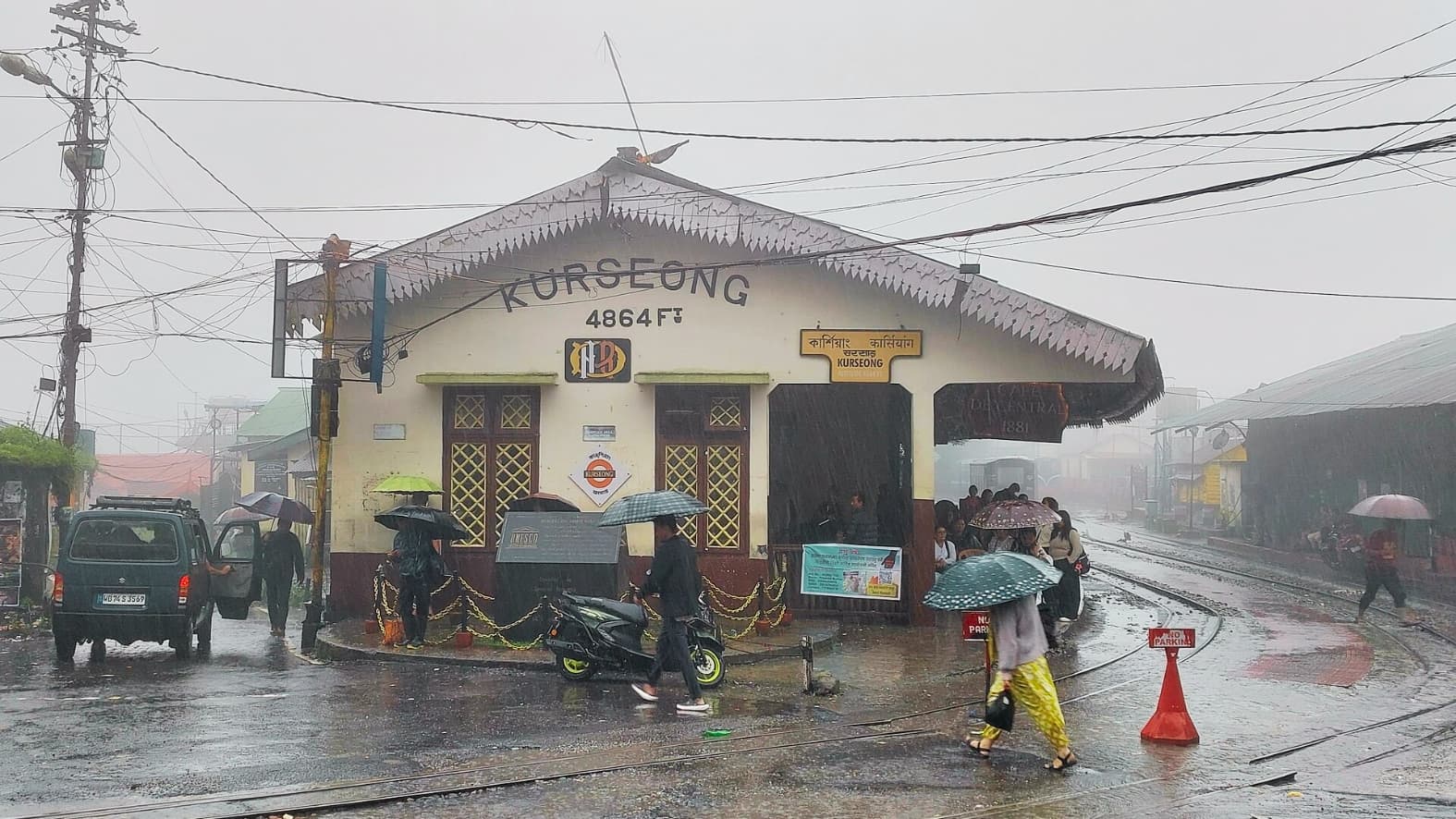
The Kurseong Station stands 4,864 feet above sea level. (Picture by Pinakpani, Wikimedia Commons)
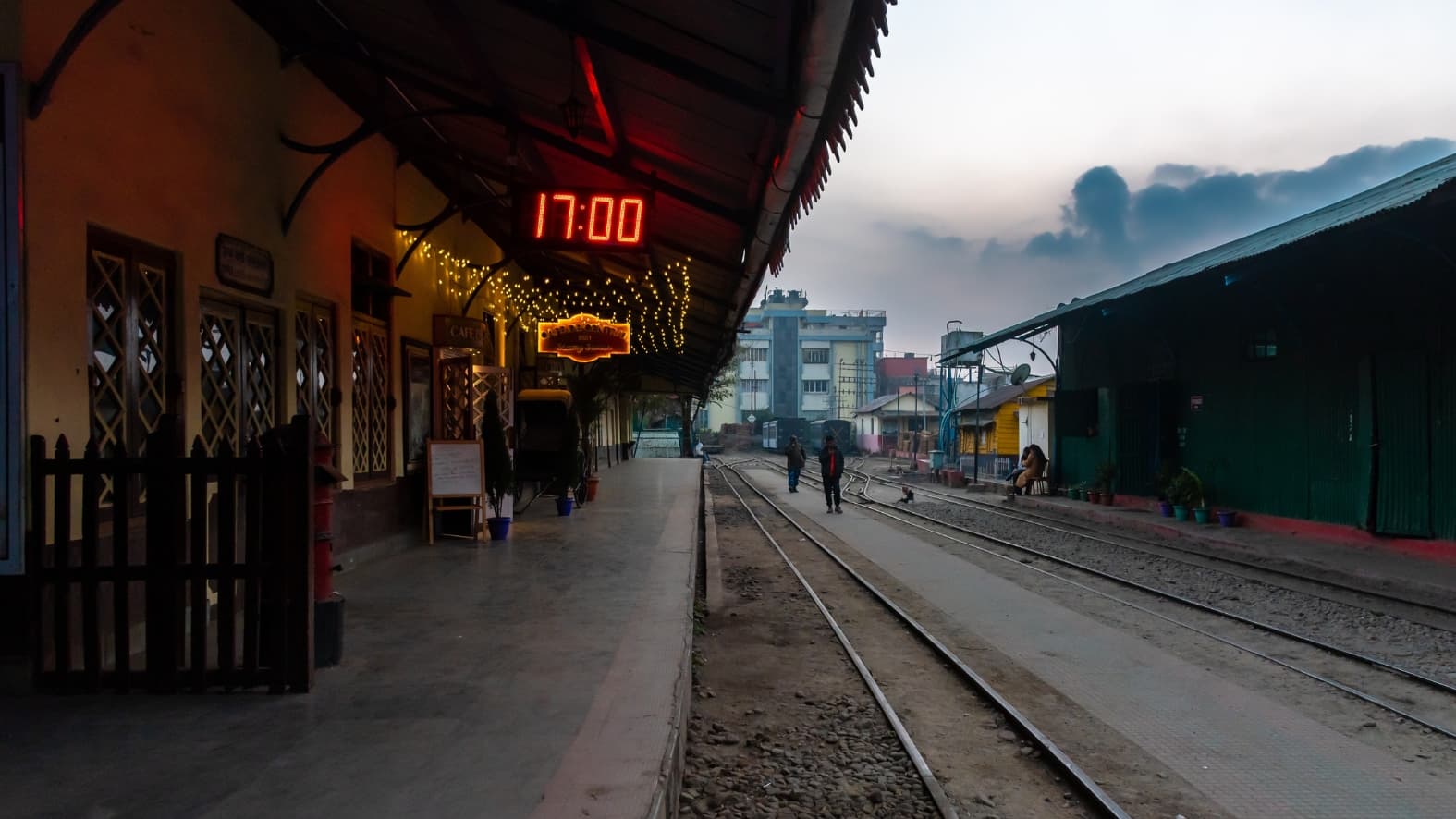
The Kurseong Station stands 4,864 feet above sea level. (Shutterstock)
As a sister town to Darjeeling, it serves as a natural gateway to the hill town beyond. Every traveller, vehicle and even the little Toy Train that finds shelter at Kurseong Station, 4,864 feet above sea level, passes through here on the way to Darjeeling. Yet it is rarely more than a fleeting sight for visitors, their eyes fixed eagerly on what lies ahead. Kurseong becomes, for many, merely a passage to the promise of Darjeeling. However, this shy and quieter town has tales of its own — if only one pauses long enough to listen.
Kurseong does have its well-known sights. The heritage railway station, of course, is home to the Toy Train as it whistles gently back and forth through the hills. Eagle’s Crag with its watchtower views, Dowhill Eco Park and Hanuman Tok — all favourites for their views, charm and calm.
But beyond these there are other equally enticing and inviting paths. So let's explore all these options in Kurseong.
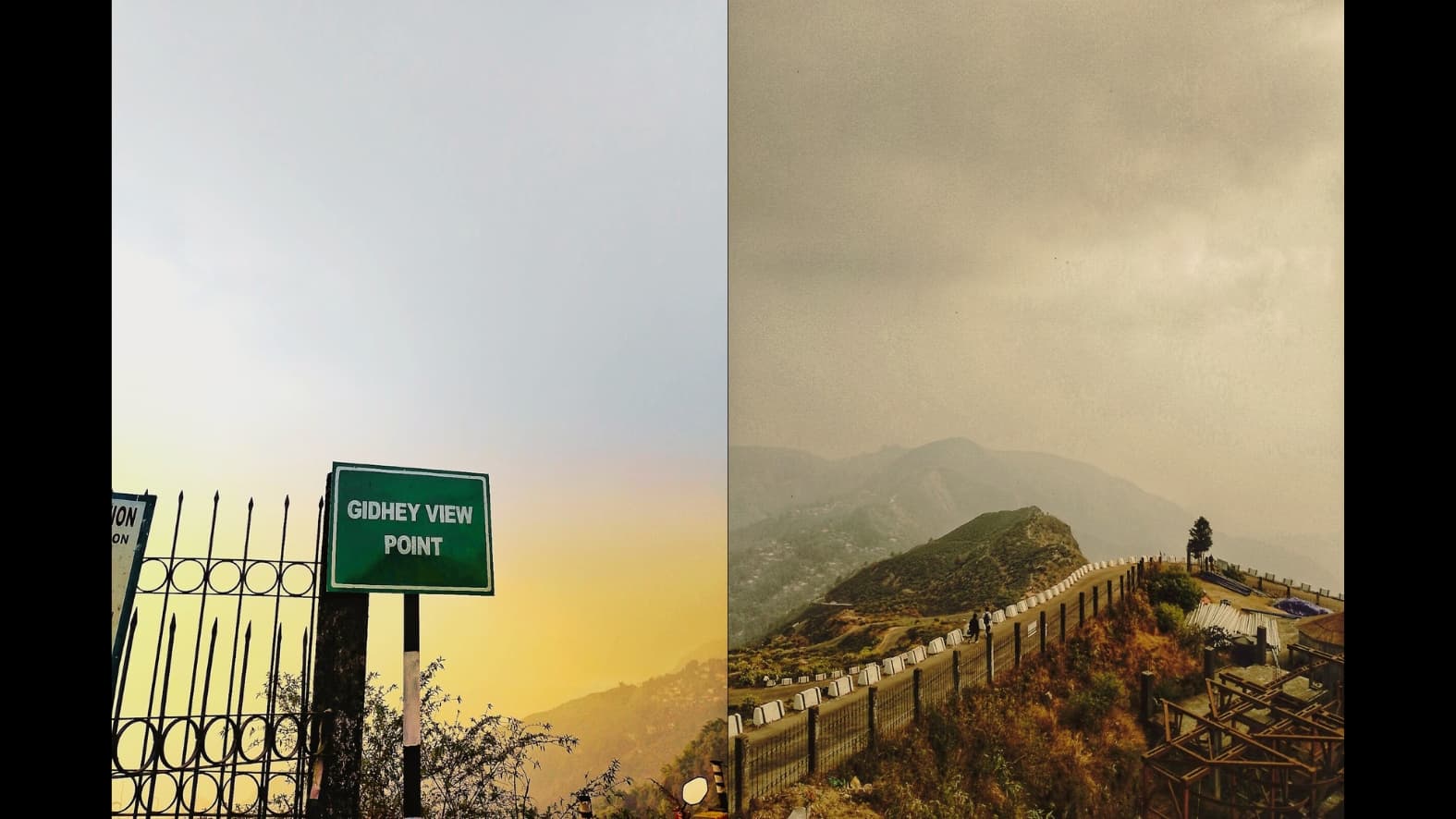
A popular viewpoint overlooking Kurseong and the surrounding hills. (Pictures by Purav Pradhan)
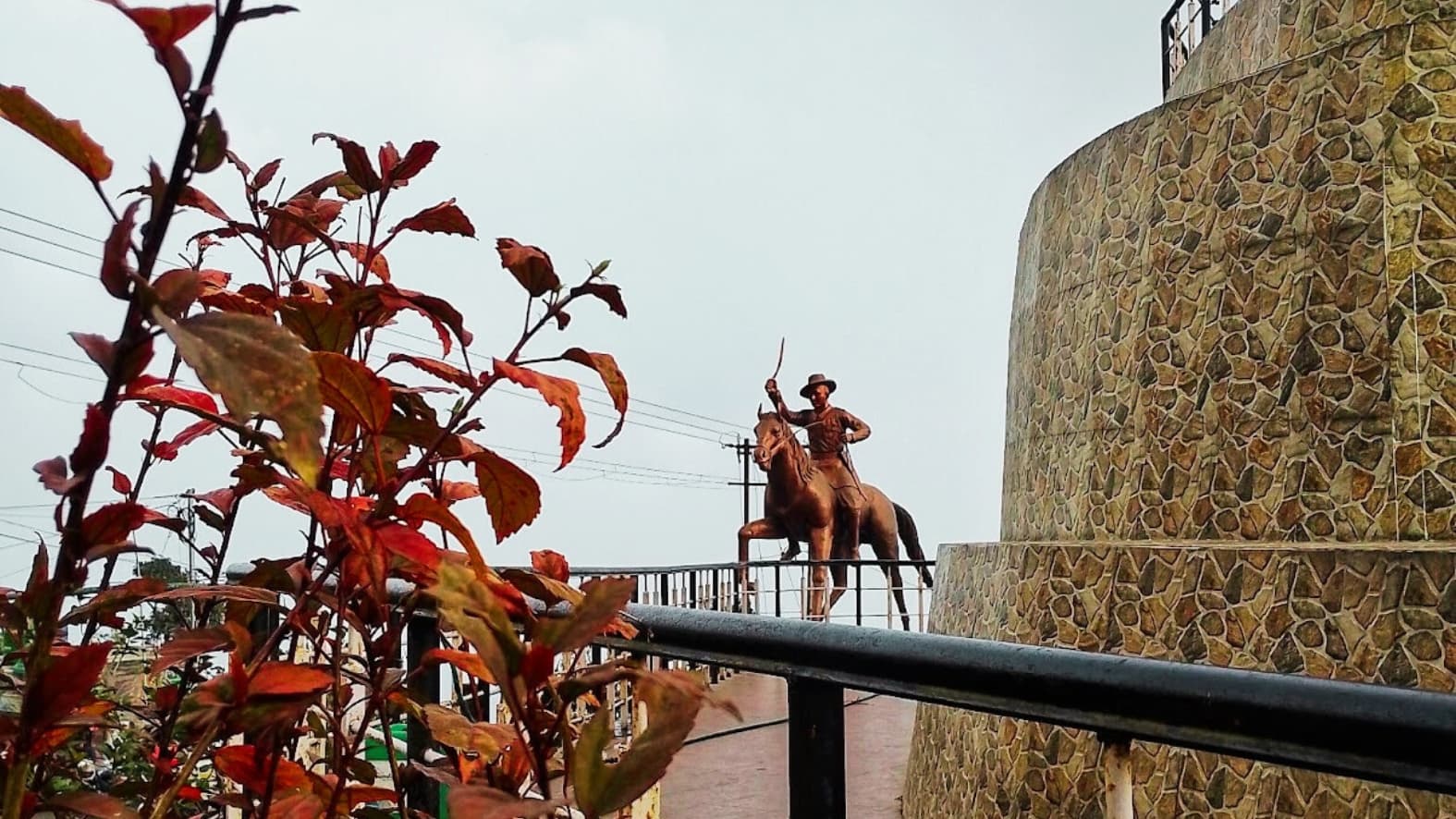
The statue of Major Durga Malla, the first Nepali Gorkha martyr of the Indian National Army, executed by the British in 1944. (Pictures by Purav Pradhan)
At the outskirts of Kurseong, Giddha Pahar View Point rises like a natural gateway to the hill town. As you ascend along Tindharia Road, the landscape begins to open and the viewpoint appears quietly between folds of rock and forest. It is the first real pause in the journey — a place where the road loosens its grip and the mountains take over.
From here, the hills unfurl in layered silhouettes, rolling into the distance. More than just a scenic halt, Giddha Pahar serves as a gentle introduction to Kurseong — unhurried, understated and entirely Himalayan in spirit.
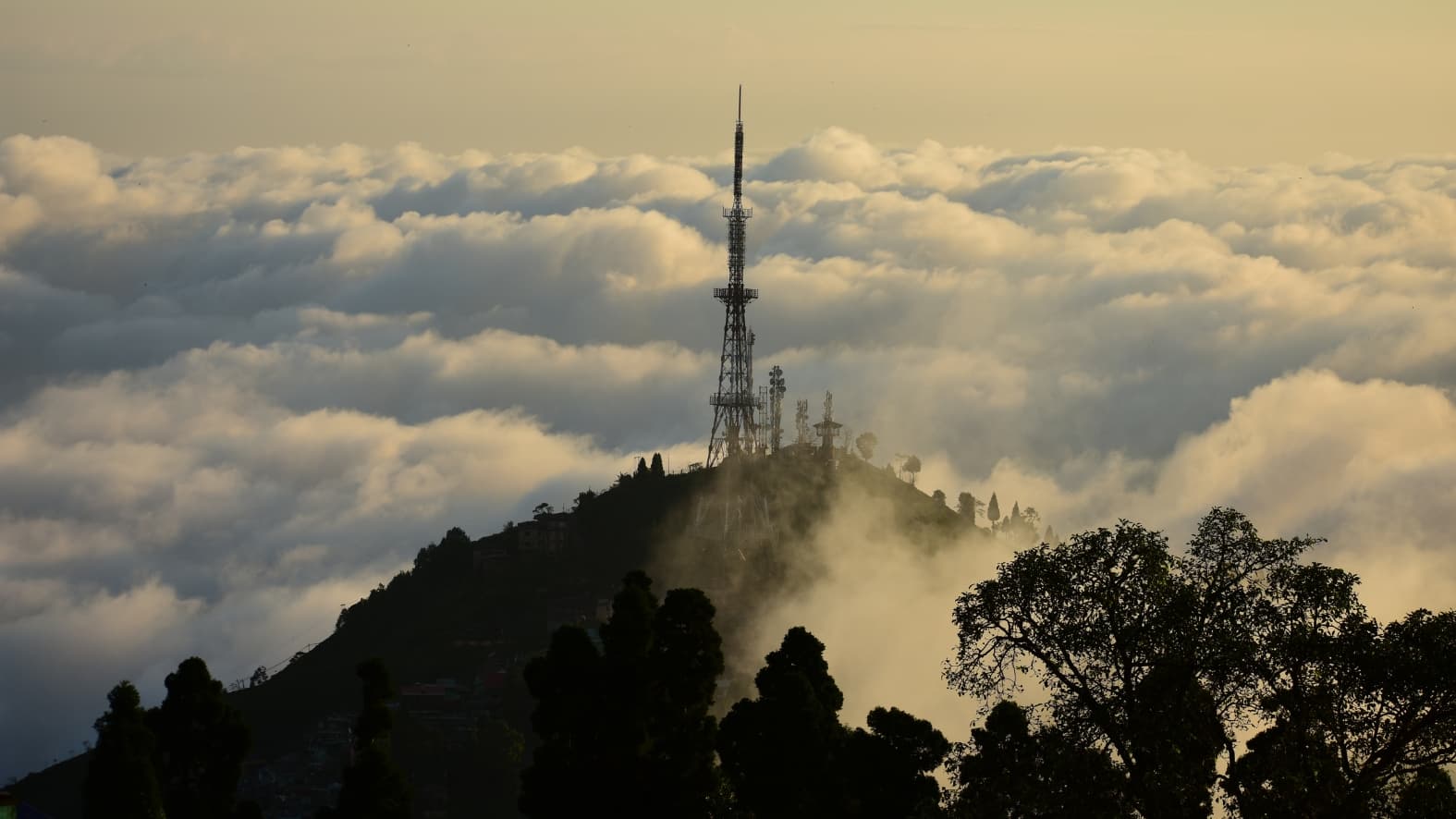
Giddha Pahar View Point offers a gentle introduction to Kurseong, with views of rolling hills in the distance. (Shutterstock)
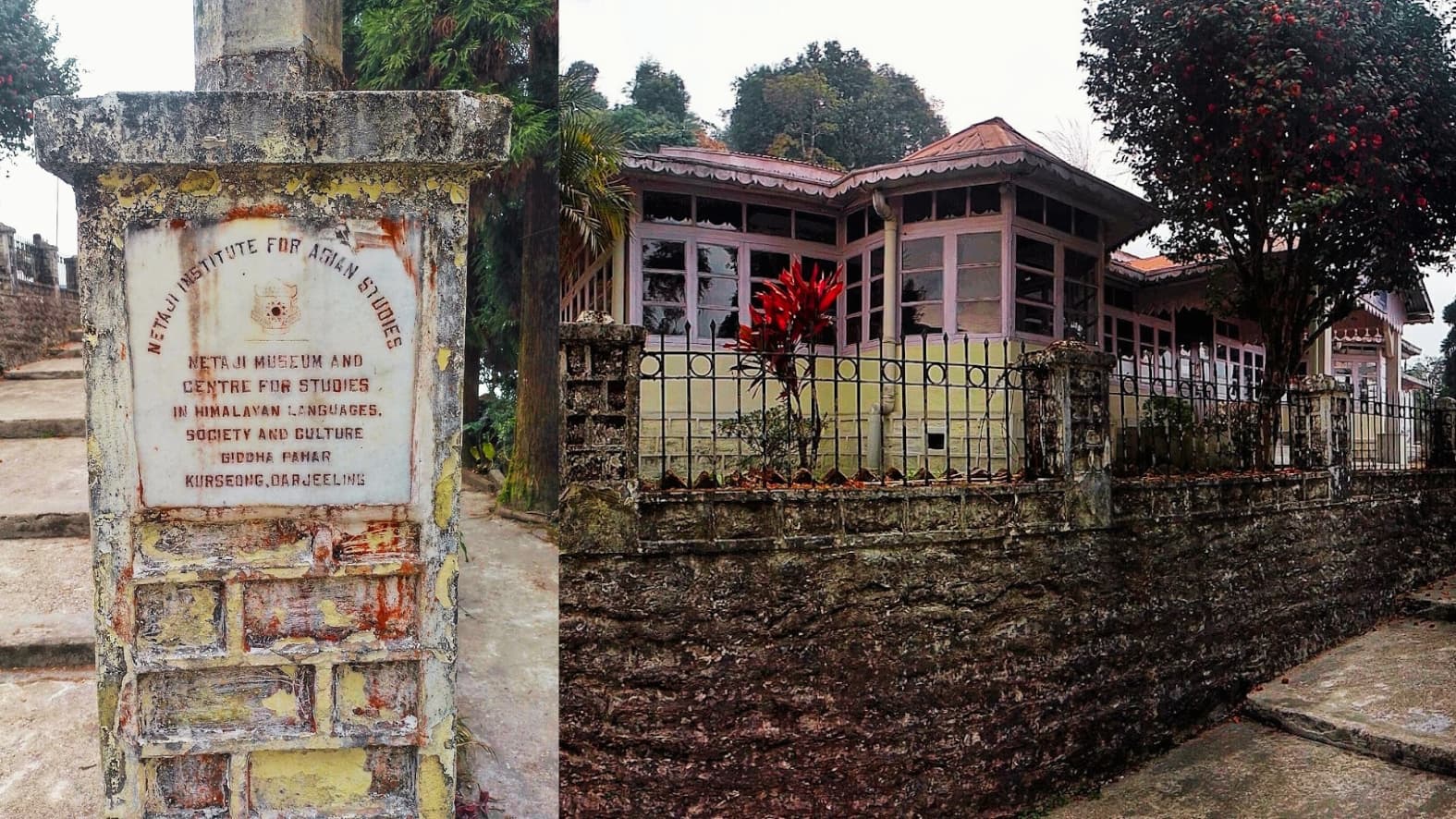
The Netaji Subhash Chandra Bose Museum, housed in the historic Giddha Pahar residence where Subhas Chandra Bose stayed during his detention in 1936. (Pictures by Purav Pradhan)
Close by stands the statue of Major Durga Malla, a tribute to the first Nepali Gorkha martyr of the Indian National Army, executed by the British in 1944. It quietly anchors the viewpoint to Kurseong’s deep links with the freedom movement. Just a short walk away is the Netaji Subhash Chandra Bose Museum, housed in the historic Giddha Pahar residence where Subhas Chandra Bose stayed during his detention in 1936. The museum preserves photographs, personal belongings and documents from his time in the hills,
Around the viewpoint, four to six small canteens and tea stalls operate throughout the day, offering light snacks and hot tea. They are perfect for a brief pause before continuing the journey.
Entry: Free
Timings: Netaji Subhash Chandra Bose Museum: 9.30am to 4.30pm; Giddha Pahar View Point: 8.30am to 5pm
Pro tip: Visit early in the morning for clearer skies and the best views.
Map Location: https://maps.app.goo.gl/2K1YVNxHUr7zJ3EF9
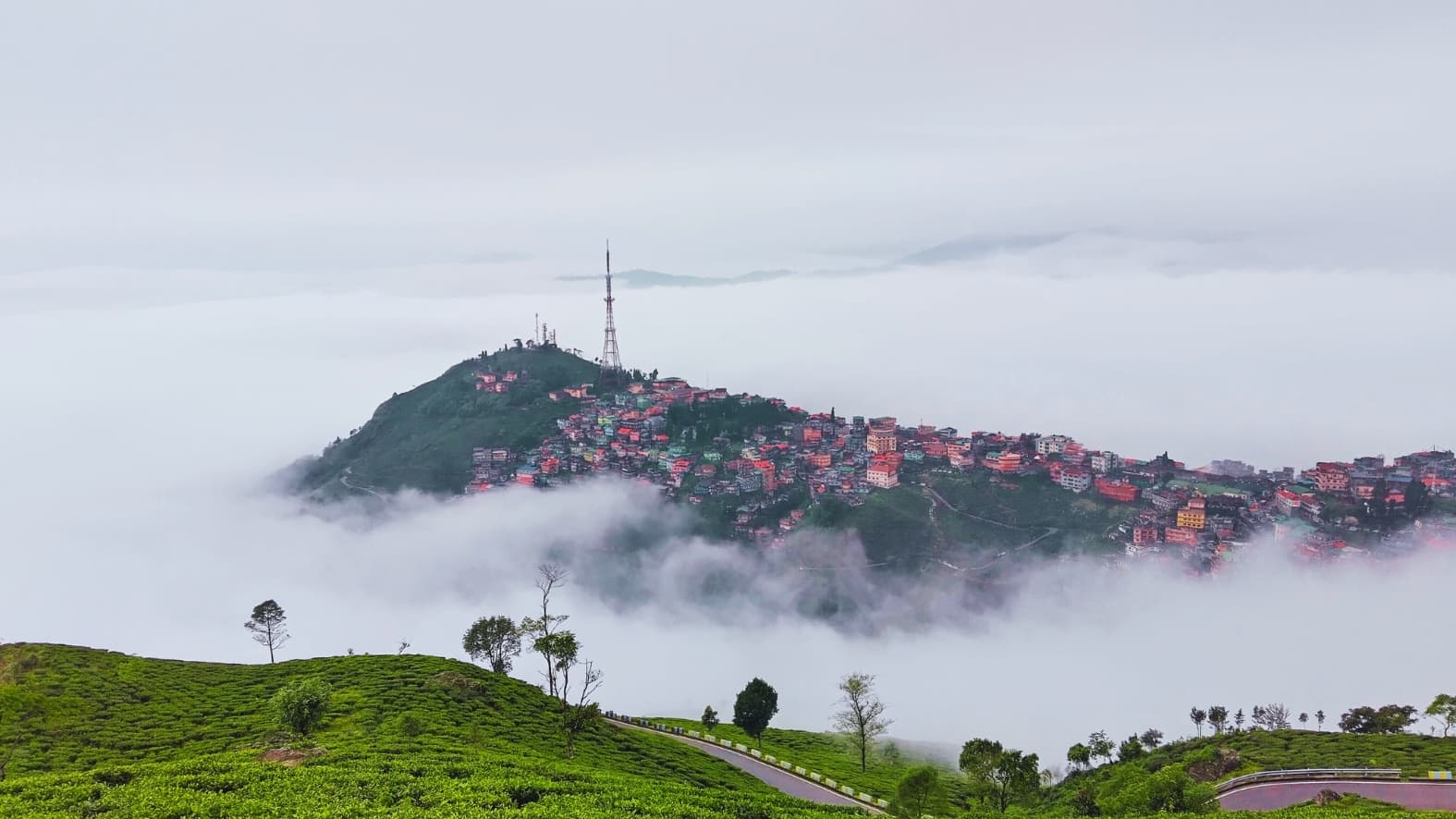
A popular lookout offering wide views of tea gardens and the valley below. (Shutterstock)
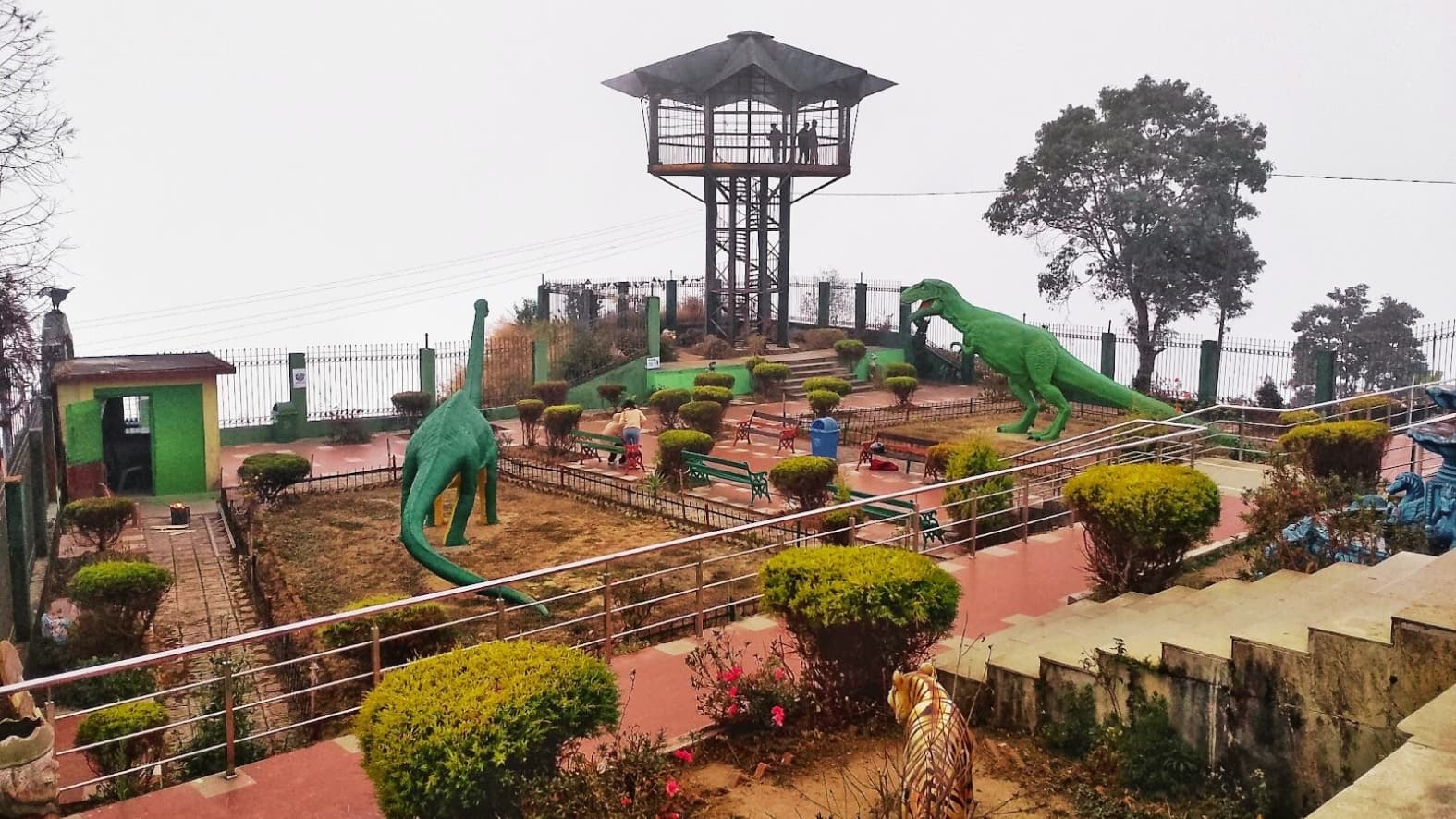
Manicured gardens and a children’s play area make Eagle's Crag a relaxed, family-friendly spot. (Picture by Purav Pradhan)
Perched high above the valley, Eagle’s Crag is Kurseong at its most cinematic. This popular viewpoint is where you can go for some of the best views in the town. Climb the winding stairs of the small watchtower for sweeping views of tea gardens and the river below; on clear days, you can even catch striking glimpses of the majestic Kanchenjunga. The presence of manicured gardens and a designated play space for children has also made it a relaxed, family-friendly favourite for both locals and visitors.
Entry: Rs 10 per person
Timings: 10am to 5pm daily
Pro tip: Visitors are advised to carry their own snacks and drinking water for convenience.
Map Location: https://share.google/EVPf7TpViFfb40MqE
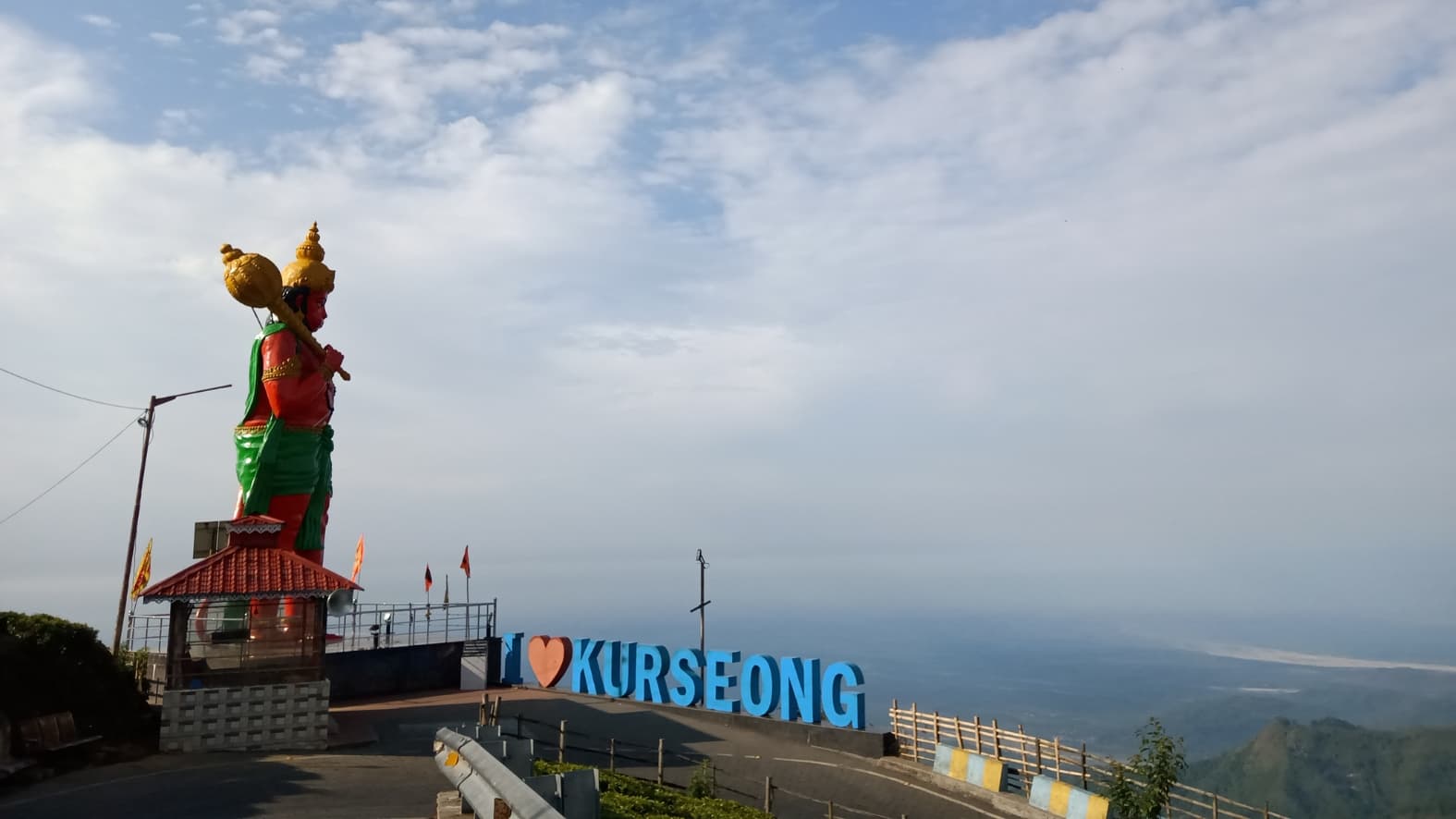
A hilltop site with a Hanuman statue and views across Kurseong. (Picture by Purav Pradhan)
In Kurseong, the journey only gets better as you go higher. The first stop on this climb is the towering Hanuman statue that overlooks the town — a striking viewpoint from which you can take in both the mist-draped, dhupi- or conifer-covered hills and the vast spread of the plains below. An evening visit is especially rewarding, when the sunset quietly transforms the view and lets the landscape do the talking.
Shared taxis run from Kurseong Bazaar towards Glenhill Public School, the closest landmark on this route, followed by a short walk to the statue. From here, a narrow path behind the statue leads into a quiet tea plantation, where locals often serve fresh, piping hot tea as dusk settles over the hills.
Entry: Free
Pro tip: Those wishing to avoid town traffic can approach Hanuman Tok via Tindharia Road from Siliguri, which leads directly to the viewpoint without entering Kurseong.
Map Location: https://share.google/riOUdXgUe2HgVtOzv
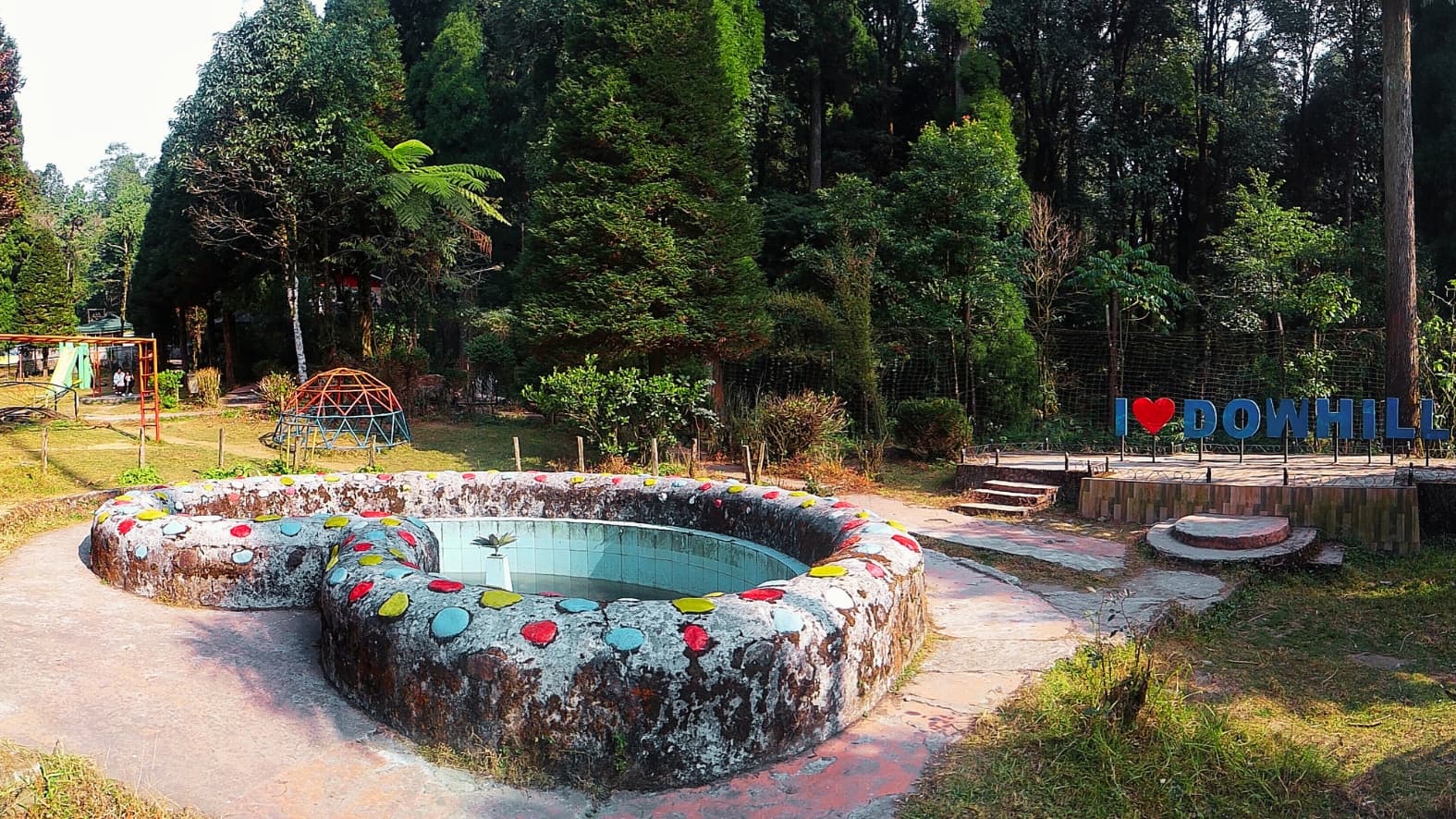
A quiet forest park known for tall pine trees and walking trails. (Picture by Purav Pradhan)
Originally known locally as Deer Park, this small wooded retreat lies bordered by the British-era Victoria Boys’ School and Dowhill School. It is ideal for a quiet walk, offering moments of solitude among tall pines and moss-covered trails.
The park also has open spaces suitable for a small family picnic. Bring a mat and enjoy a lazy afternoon in the sun, while children can make use of the play equipment scattered around the grounds. The adjoining arboretum, with its shaded canopies and native conifers and plants, offers a perfect spot to rest and unwind and a small canteen near the ticket counter serves tea and simple refreshments for a brief pause. For a more substantial meal, a larger cluster of eateries can be found just below the park.
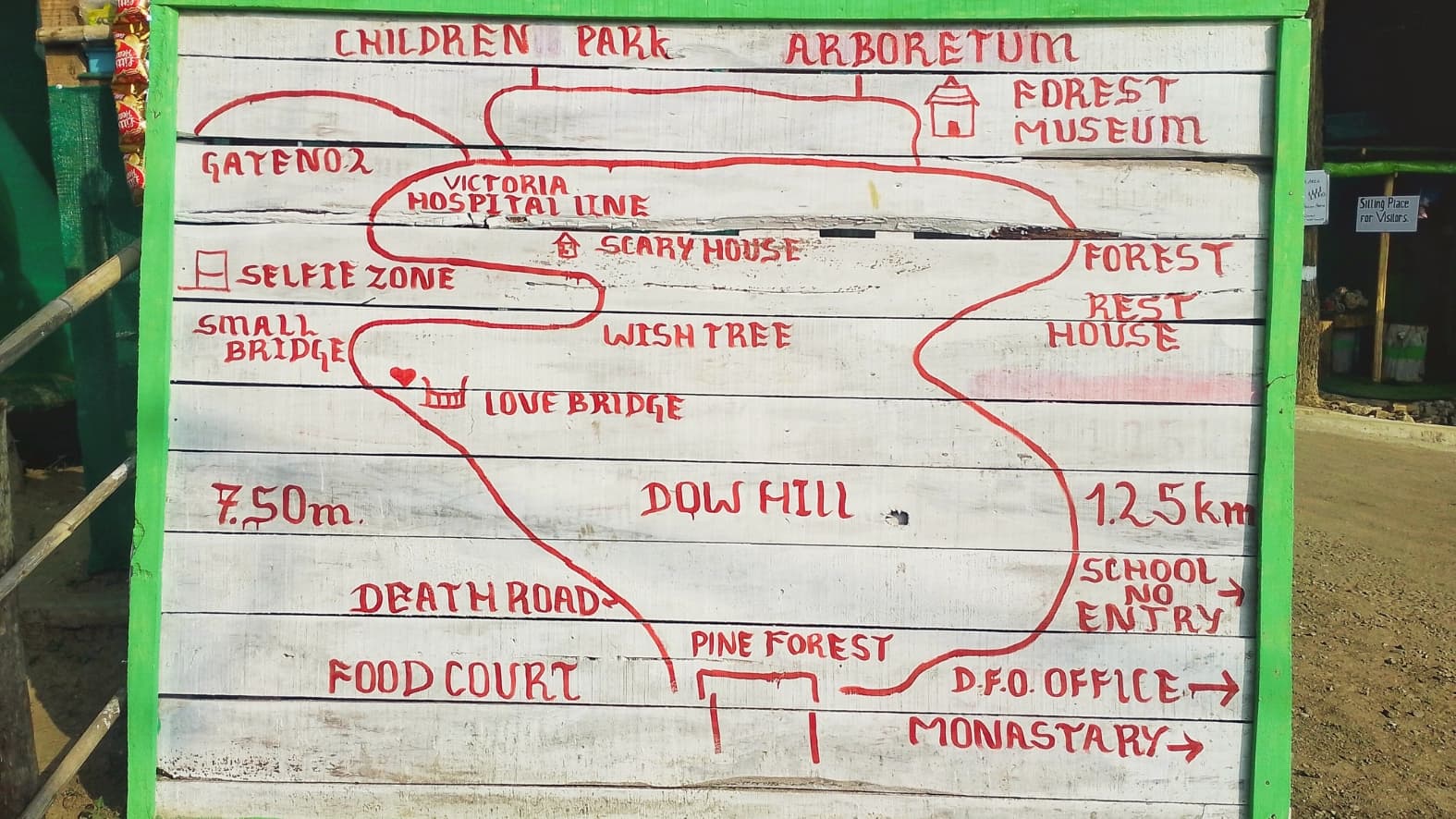
Once called Deer Park, Dowhill Eco Park offers shaded paths, open lawns, and a calm setting for families. (Picture by Purav Pradhan)
Although it is not a traditional zoo or designed for large crowds, the park is linked to a conservation breeding programme run by the Padmaja Naidu Himalayan Zoological Park in Darjeeling, which focuses on high-altitude herbivores and pheasants. These areas, however, are not accessible to the public.
Entry: Rs 20 per person
Timings: 9am to 5pm daily
Pro tip: Parking is very limited and can usually accommodate only one or two vehicles. So, you can opt for shared local taxis run by Dowhill Syndicate. They will take you from Kurseong Bazaar and drop you off close to the area. From there it is a short walk to the park.
For the return trip, it is best to arrange your ride in advance. It might be a good idea to book a round-trip journey since the convenience far outweighs the cost.
Map Location: https://share.google/a1hD71zyqOtvS4PJJ
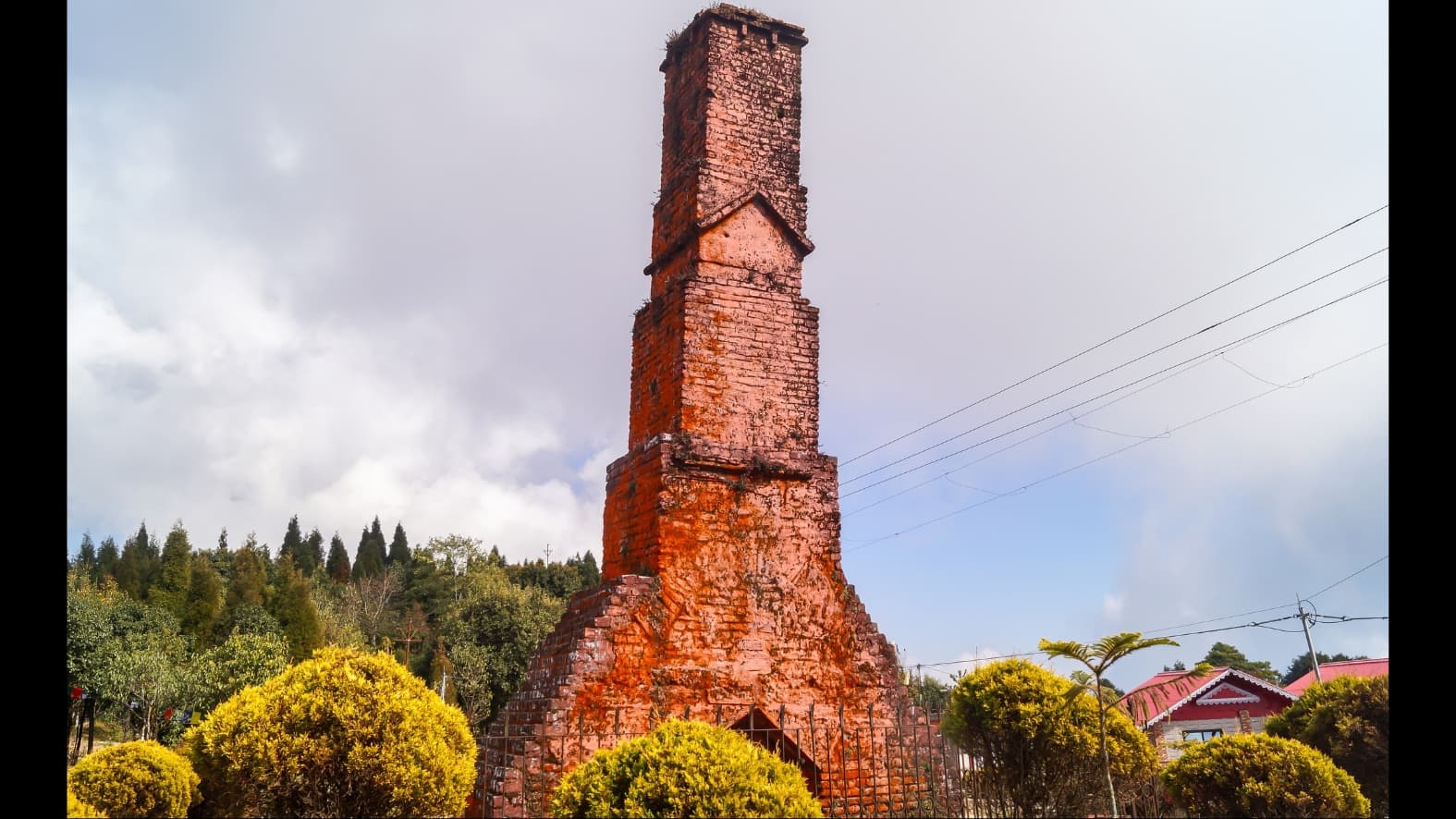
Chimney Heritage Park is a small, community-led park built around a late colonial-era chimney structure. (Shutterstock)
Nestled high in the quiet hills of Deorali, around 8–10 km from Kurseong town, Chimney refers both to the historic structure and to the small area that has grown around it. The name comes from a tall, red, chimney-like tower dating back to the late colonial period of British settlement in Kurseong.
Over time, the structure has gathered its own share of local folklore. These stories are best discovered not from plaques or guidebooks, but through conversations with residents who still recount them casually over a warm cup of tea.
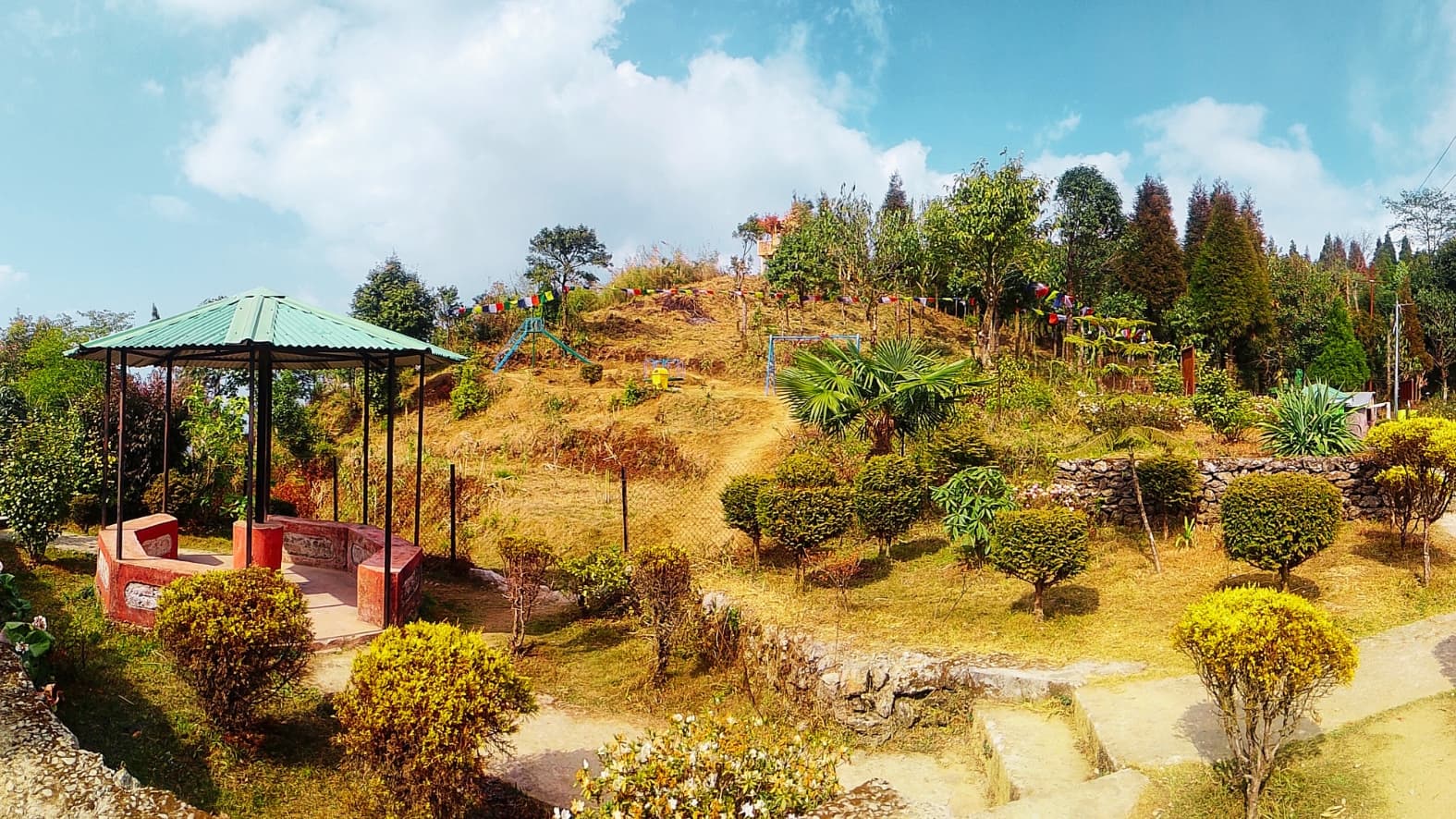
A modest heritage park developed by local groups, offering shaded paths and open hillside views. (Picture by Purav Pradhan)
In recent years, a collaborative effort between the local women’s self-help group Koseli and the Kurseong Forest Department has transformed Chimney into a small, peaceful park. It is not a curated tourist attraction, but a modest, community-led space that balances heritage, leisure and the quiet spirit of the hills.
The park offers open views of the surrounding slopes, shaded walking paths and tranquil corners that invite unhurried pauses rather than rushed photo opportunities. Two small canteens within the premises serve tea and light refreshments, making it easy to linger, sip and spend a slow afternoon here. Chimney’s charm lies precisely in this — its simplicity.
Visitors will also find small local experiences woven into the surroundings, from the chance to be photographed in traditional Nepali attire for a nominal fee (ranging between Rs 50 to Rs 100), to enjoying local food just outside the park premises. Parking is available for those arriving by private car.
Entry: Rs 20
Timings: 9.30am to 5pm daily
Pro tip: To get the best local flavours, book a room at any of the simple homestays and enjoy local food and hospitality just outside the park premises.
Map Location: https://share.google/lmkogRuXeqLAzCC84
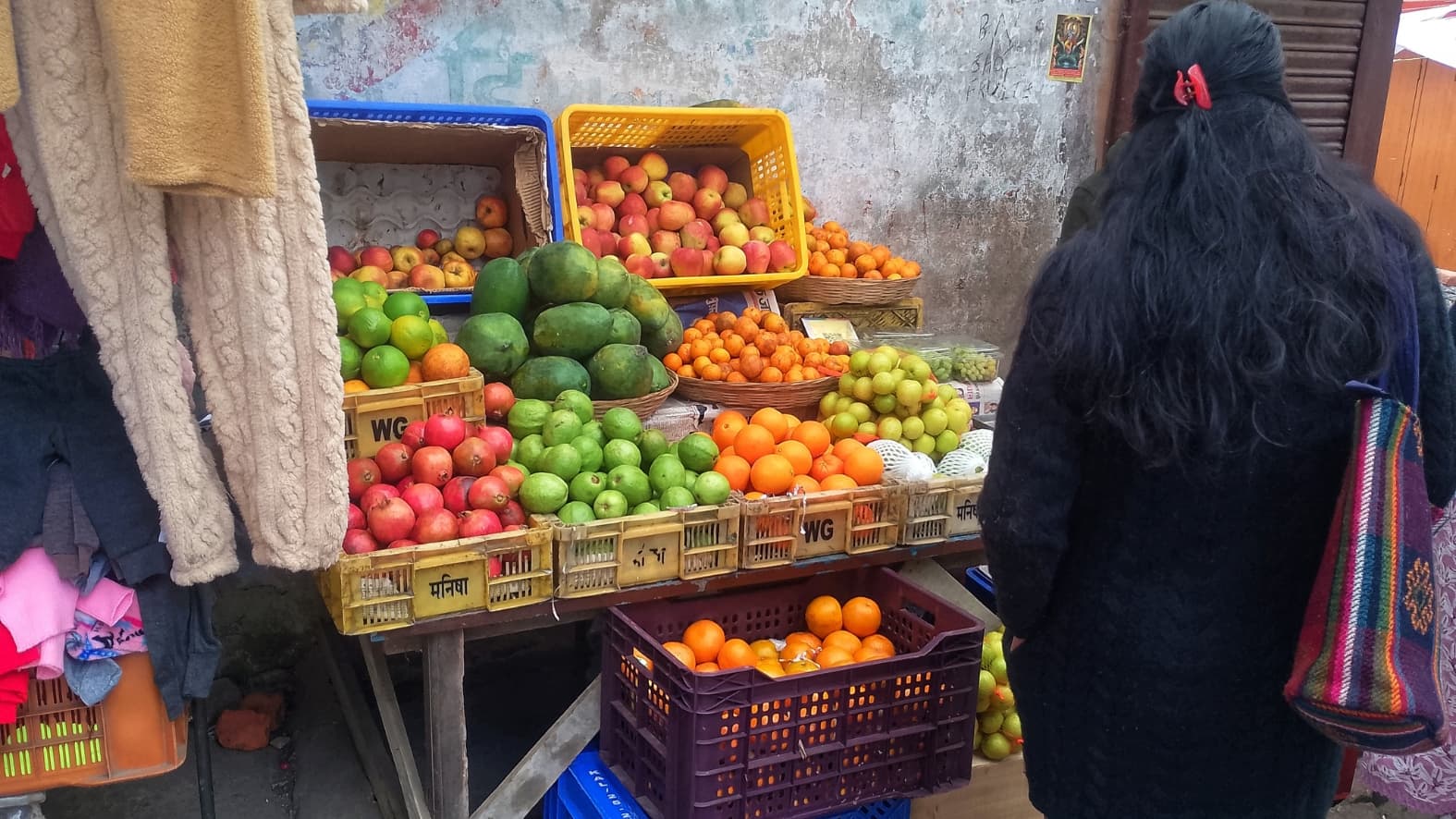
Fresh seasonal fruits on display at Kurseong’s haat bazaar. (Picture by Purav Pradhan)
While most visitors rush to tick off famous viewpoints and landmarks, Kurseong’s Bazaar is often and unfairly, treated as little more than a cluster of hotels, restaurants and parking spaces. Venture into its lanes, however and you will find a far richer rhythm of life.
This is where Kurseong reveals itself: in winding alleys lined with small shops that spill into the streets, in delicious-smelling local eateries and in stalls overflowing with fresh, home-grown fruit and everyday curiosities. As you walk through Haat Bazaar, listen in on fragments of conversation, ask for directions or recommendations and simply follow where the town leads you. Enjoy local performances — whether Nepali sarangi tunes or impromptu hip-hop routines — which have no fixed venues, but have a way of finding you if you look around.
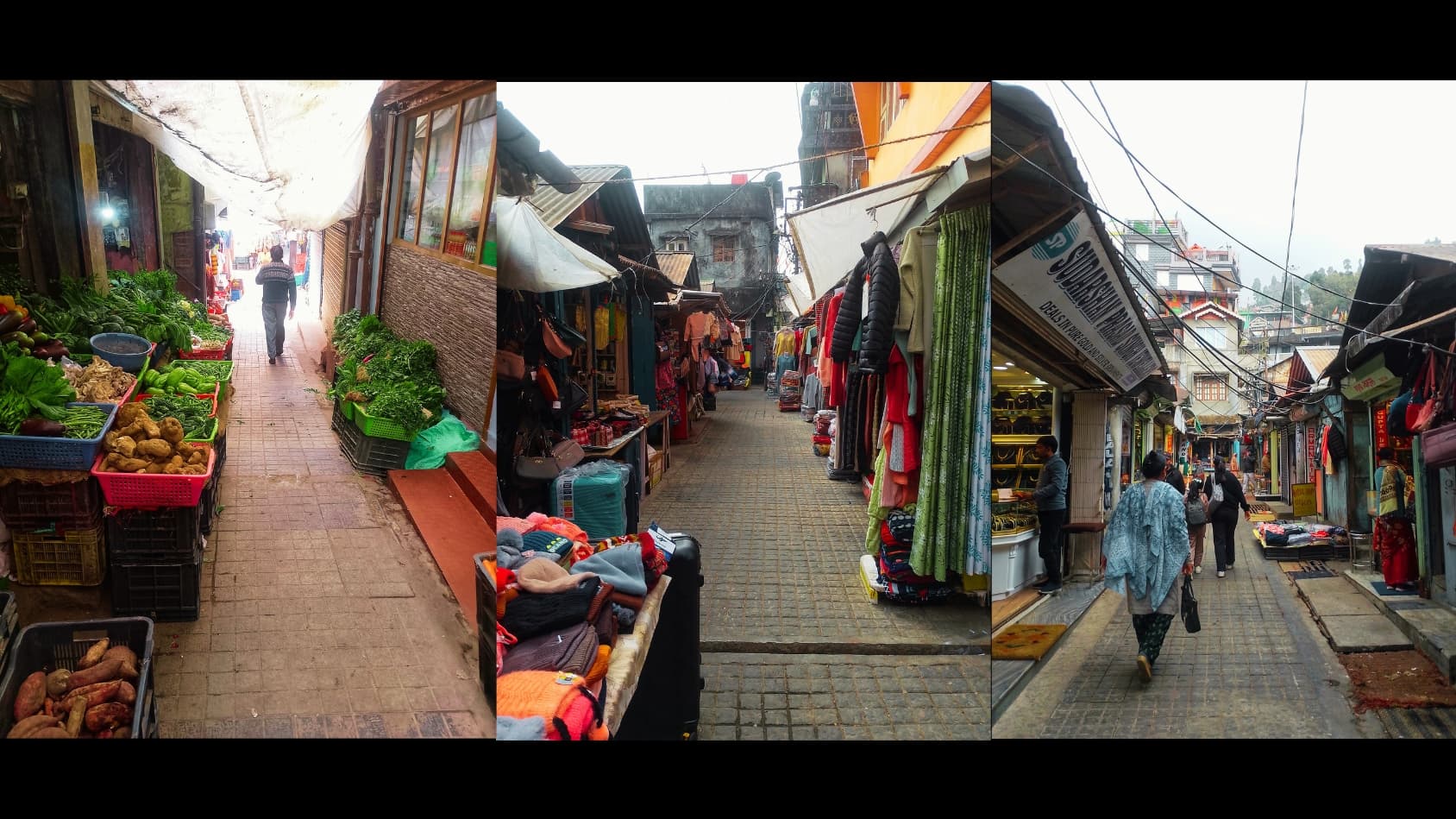
The town’s local market selling produce, snacks, and everyday essentials. (Pictures by Purav Pradhan)
Feel free to wander through the narrow lanes; even if you lose your way, this small hill town has a gentle way of guiding you back. End your stroll with a quiet pause at a chauthara — a raised platform where people sit, talk and rest — along New Community Hall Road and let the day drift by at Kurseong’s own unhurried pace.
Pro tip: Parking within Kurseong town is limited. Visitors can use the parking area at Kurseong Terminus, about 1.4 km away, near the Kurseong Fire Station. Alternatively, check with your hotel or homestay for private parking options.
Map Location: https://share.google/fNupbYnkRAhoOsCB0


