
A joint initiative by



 Published on 2026-06-29Updated on 2026-06-29
In a world increasingly dominated by machine-made products and fast-changing trends, the enduring appeal of handcrafted objects lies not merely in their beauty, but in the stories, skills and communities they sustain. For six decades, the Crafts Council of West Bengal (CCWB) has worked to ensure that these stories continue to be told, supporting artisans, reviving endangered practices and creating meaningful connections between makers and markets.
Founded in 1966 under the presidency of legendary linguist Dr Suniti Kumar Chatterji, the non-profit organisation has played a pivotal role in safeguarding Bengal’s craft lineages. Its 60th anniversary is being celebrated with a refreshed identity for Artisana, the Council's flagship Kolkata store, along with a striking new mural in collaboration with the Fearless Collective and the Aravani Arts Project. Drawing on textile and woven forms, the mural celebrates Bengal's craft heritage while championing inclusivity, identity and belonging. As Shanta Ghosh, President of Crafts Council, reflects, "In our 60th year, CCWB reaffirms its commitment to nurturing the world of the handcrafted and handwoven and the well-being of the artisans who are keeping our crafts heritage alive."
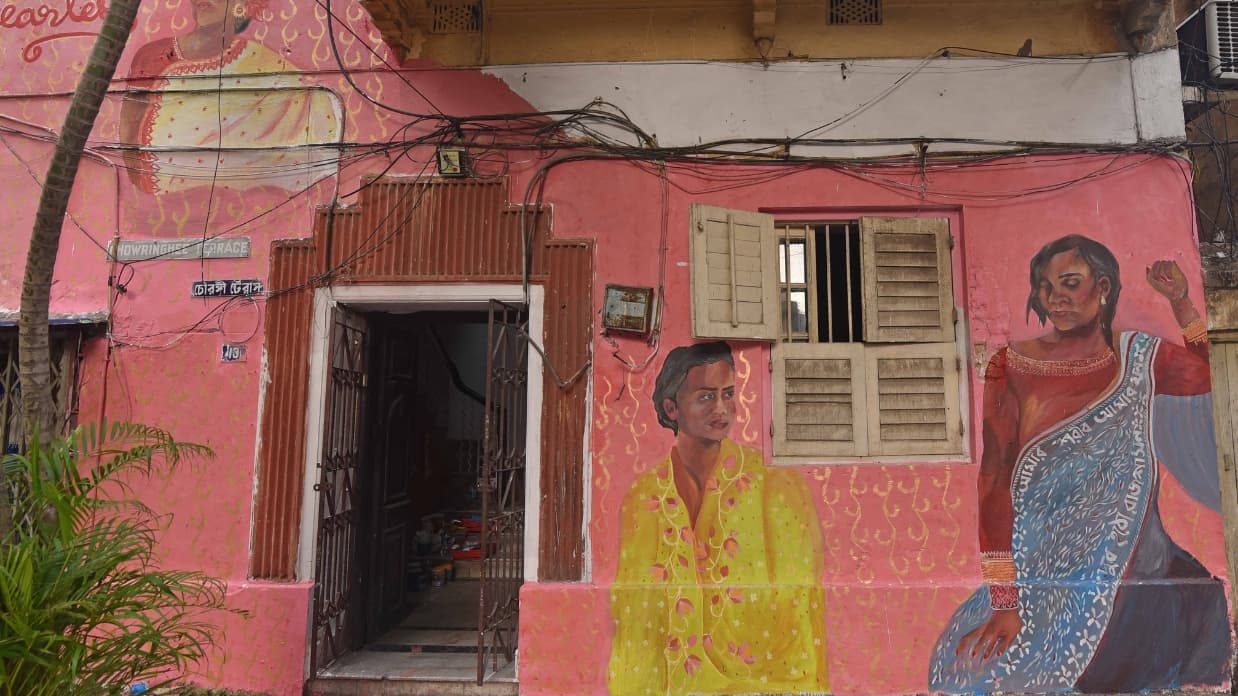
Marking six decades of craftsmanship, Artisana unveiled a striking new mural at the entrance to its store.
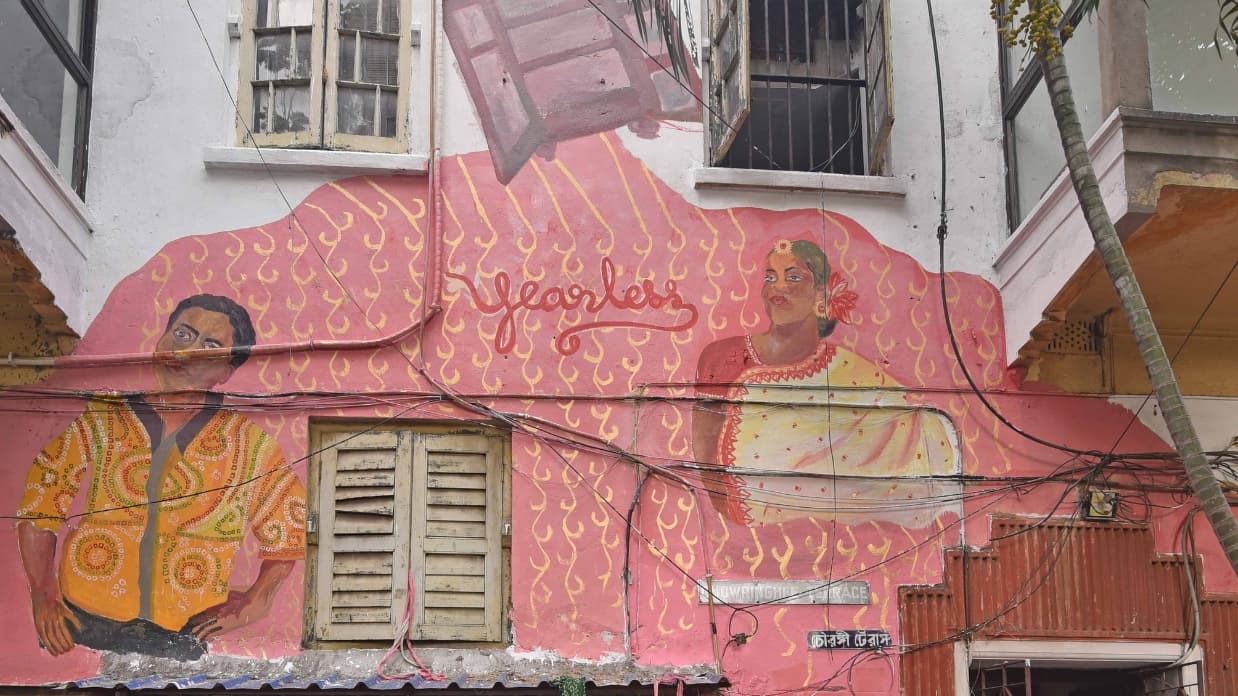
Marking six decades of craftsmanship, Artisana unveiled a striking new mural at the entrance to its store.
While Bengal's crafts are often celebrated for their beauty and cultural significance, they also sustain thousands of livelihoods through handloom weaving, embroidery, metalwork, pottery and natural-fibre crafts.
For Anjum Katyal, writer, editor and currently an honorary office-bearer with the Crafts Council of West Bengal, the future of these practices is inseparable from the economic well-being of the artisans who practise them. India, she points out, has managed to preserve largely unbroken craft lineages passed down through generations, something increasingly rare in the world. Yet this inheritance is under threat. “That continuity represents centuries of accumulated skill,” she notes, “but artisans are increasingly pushed toward migrant labour for economic survival, putting that inheritance at risk.”
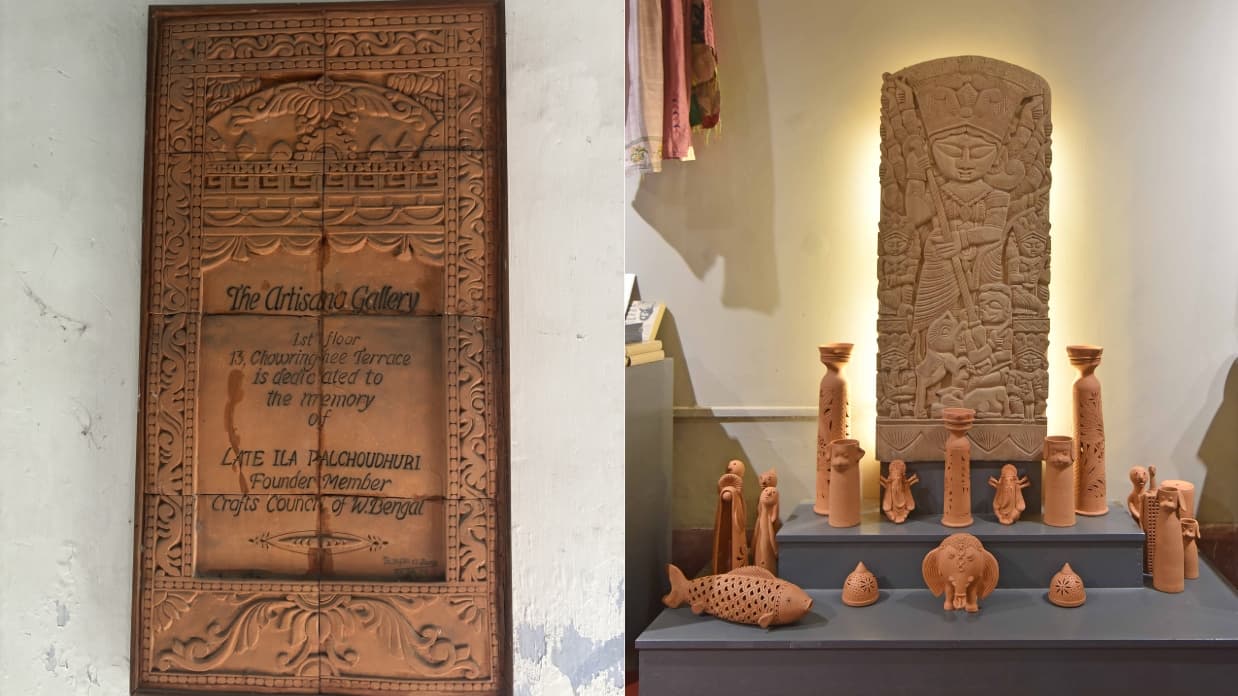
(left) A beautiful terracotta plaque at the entrance honours the memory of founding member Ila Palchoudhuri; (right) Intricate terracotta artworks displayed throughout the store.
This is where organisations such as the Council play a crucial role. By creating market access, facilitating design development and ensuring fairer commercial relationships, it helps artisans transform traditional skills into viable livelihoods. Artisana sources directly from artisans and producer groups, ensuring authenticity while allowing makers to retain a greater share of the value their work creates. In doing so, the Council demonstrates how craft heritage can drive entrepreneurship, strengthen local economies and secure the future of artisanal knowledge.
Established in 2003, Artisana has become one of Kolkata's most respected destinations for handloom textiles, home décor and artisanal objects. More than a retail outlet, it offers a curated introduction to Bengal's artisanal practices. Recent renovations have given the store a fresh contemporary look, combining natural materials, warm lighting and minimalist displays that place the spotlight firmly on the crafts themselves. The range of products available at Artisana reflects the extraordinary breadth of Bengal's artisan practices and the vast network of artisans who sustain them across the state.
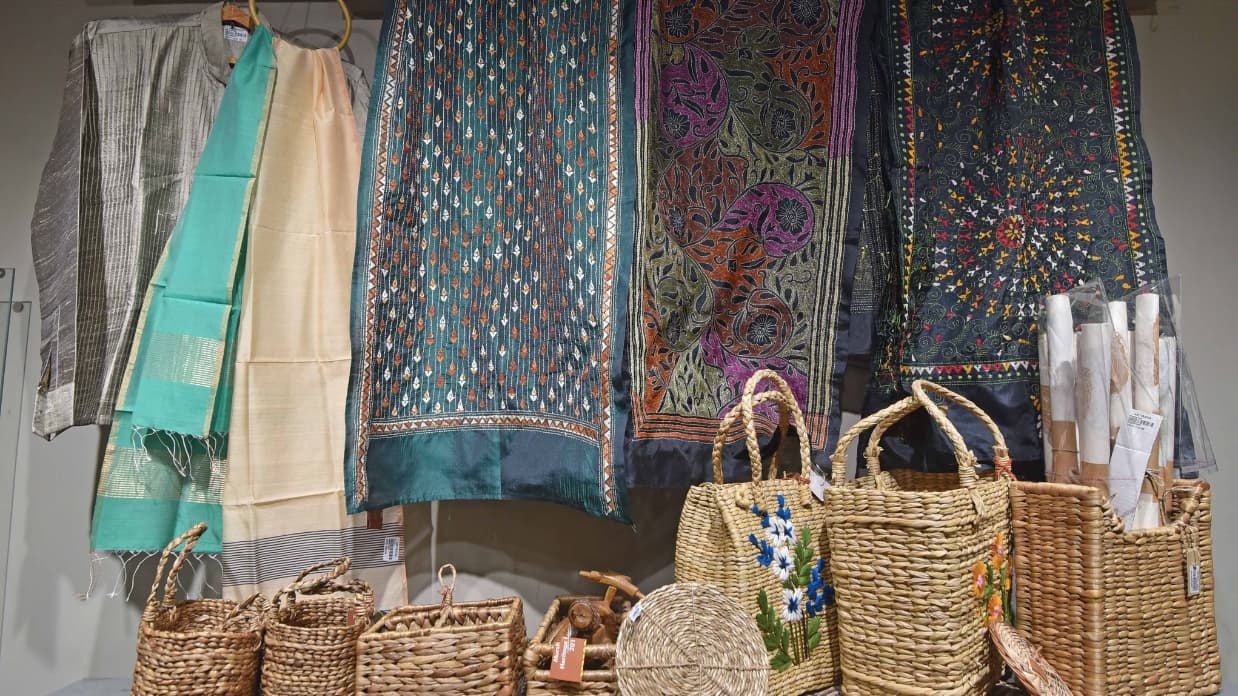
Nearly half of the store's collection is dedicated to handloom textiles.
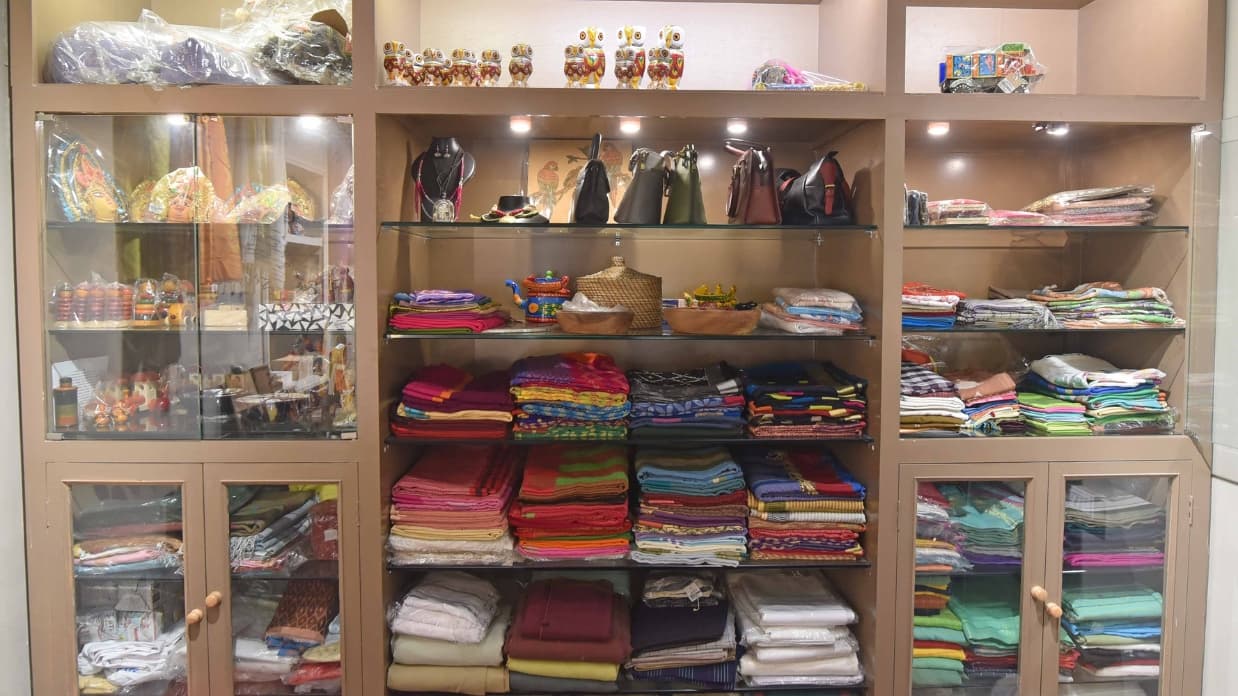
Nearly half of the store's collection is dedicated to handloom textiles.
Handloom textiles form the heart of the collection, accounting for nearly half of the store's offerings. The shelves are lined with Begumpuri saris woven on traditional pit looms, elegant Shantipuri weaves with a history stretching back to 15th-century royal patronage, crisp Dhaniakhali saris known for their distinctive borders and exquisite Jamdanis, where each motif is painstakingly inserted by hand using the supplementary-weft technique. Khadi and Khadi-Jamdani textiles sourced from weaving clusters in Kalna and Shantipur further underscore Bengal's enduring handloom legacy.
Kantha embroidery occupies a special place within the collection. From cushion covers and table linens to wall hangings and decorative textiles, these pieces transform simple cloth into elaborate works of art through thousands of delicate running stitches.
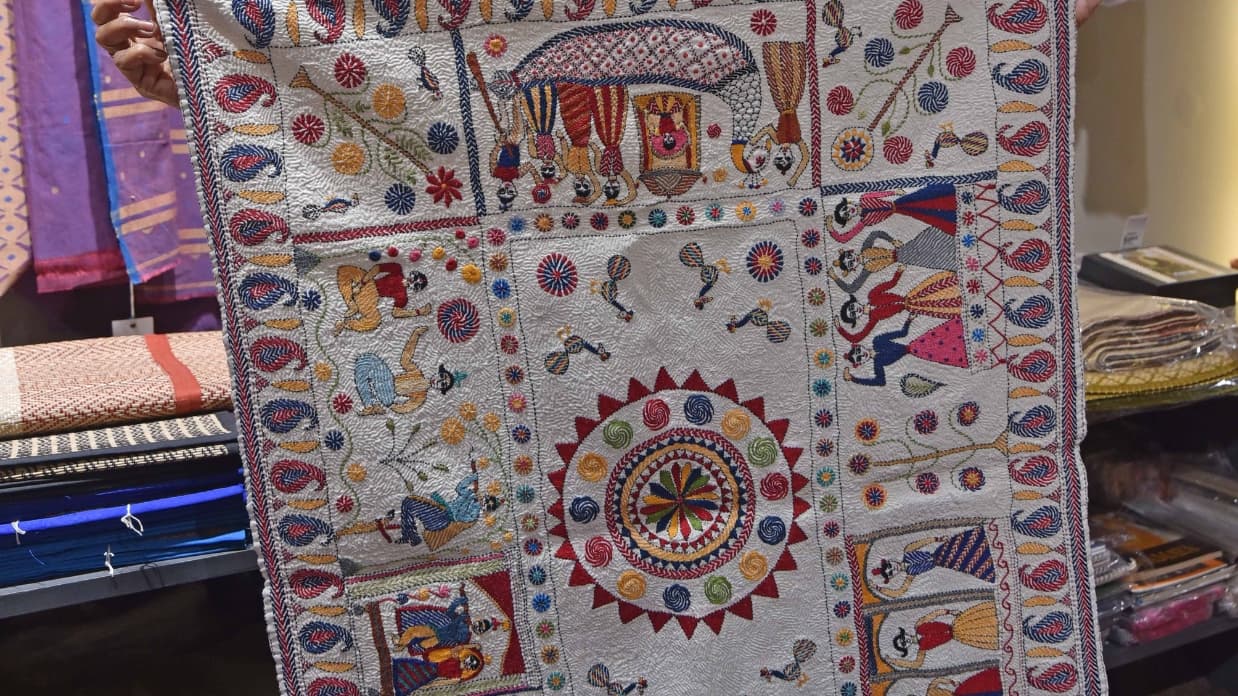
The handloom collection celebrates Bengal's rich weaving traditions.
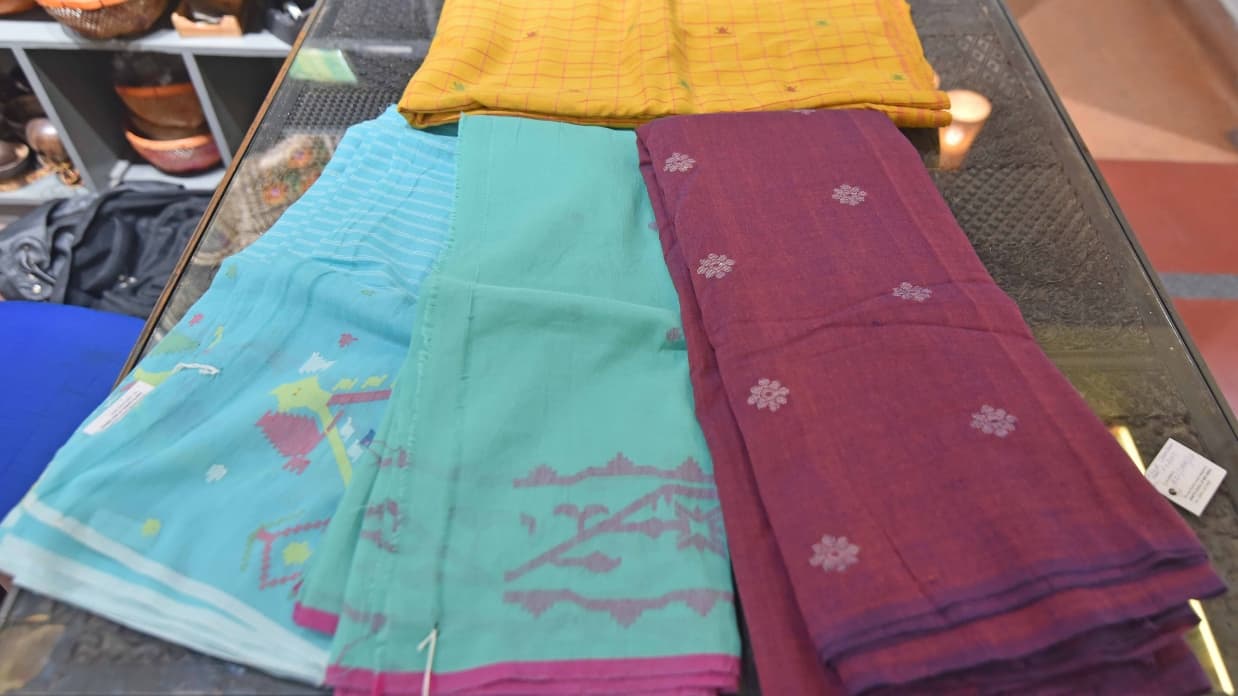
The handloom collection celebrates Bengal's rich weaving traditions.
One of the Council's most remarkable revival initiatives is Satgaon Kantha, a distinctive embroidered quilt tradition that emerged in 16th-century Bengal under Portuguese patronage and was originally created for export to Europe. Known for its intricate pictorial motifs and unique blend of Bengali and European influences, the craft had nearly disappeared by the time the Council began a revival project around 15 years ago. To recover the lost technique, Crafts Council sent master embroiderers to the Calico Museum in Ahmedabad, the only institution in India with surviving original examples, to study the historic pieces firsthand. Drawing on this research, the Council painstakingly revived the craft, training a dedicated team of artisans who continue to produce these rare embroidered works today and preserve an important chapter of Bengal's textile history.
Artisana is also home to one of Bengal's rarest textile treasures: the Balaposh. Originating in Murshidabad's Mughal-era courts, this extraordinary quilt-shawl is created by placing a layer of attar-scented cotton between two layers of silk and beating it until the cotton lies perfectly even, without a single quilting stitch. The technique survives within a single family of artisans and with production limited to only one or two pieces each month, every Balaposh is a collector's piece in the truest sense.
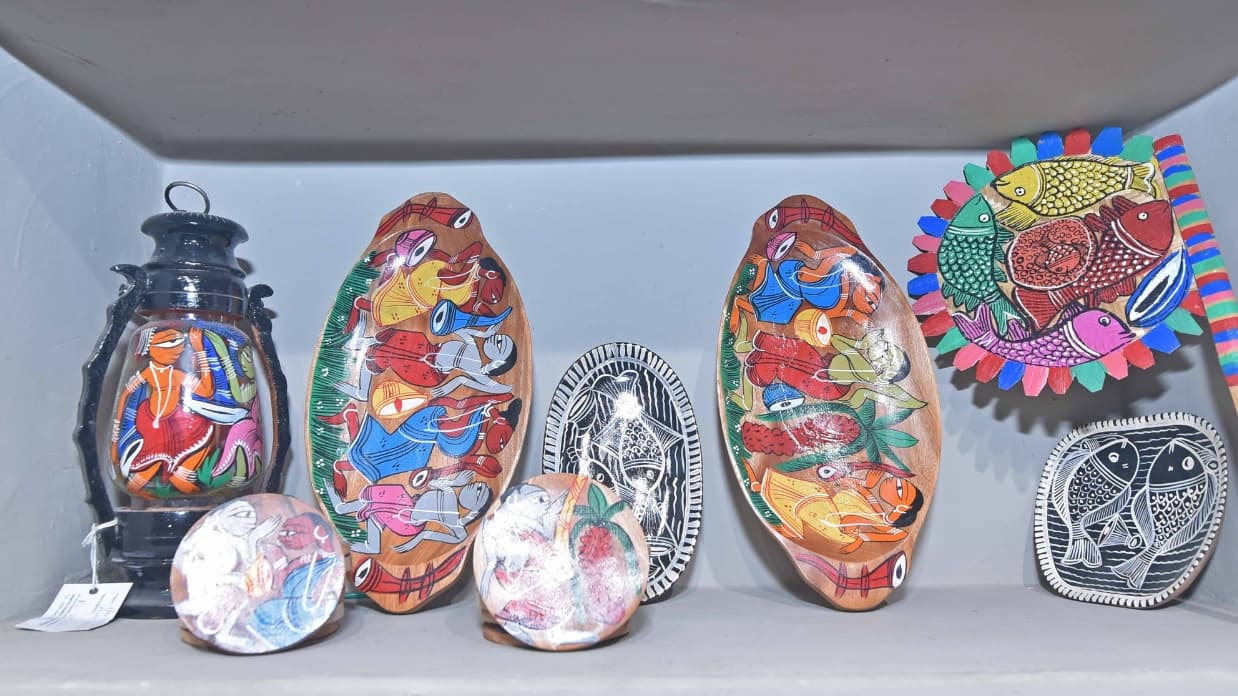
A curated selection of Bengal's finest handicrafts, featuring heritage crafts created by artisan communities across the state.
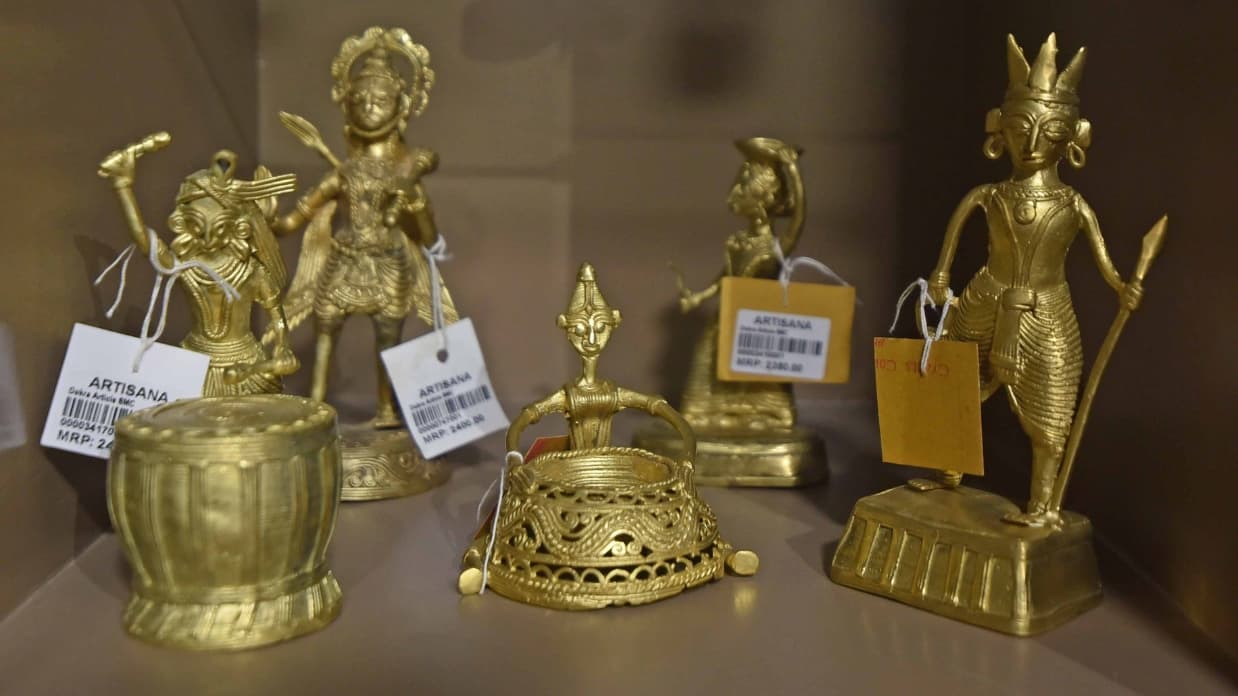
A curated selection of Bengal's finest handicrafts, featuring heritage crafts created by artisan communities across the state.
Beyond textiles, Bengal is home to a rich variety of handicrafts. The store showcases Dokra brass sculptures, created using the ancient lost-wax casting technique, arrive directly from artisan communities in western Bengal. Terracotta pottery and patachitra paintings represent the rich artistic traditions of Midnapore, while shola pith craft from Gopalnagar demonstrates the delicate possibilities of a material long associated with Bengal's ceremonial culture. Visitors will also find carved wooden objects and traditional masks from Midnapore, hogla grass products from the Sunderbans, shellware, coconut-shell utensils, ethnic jewellery and detailed silver filigree work.
Among the most labour-intensive objects in the store are the luxurious masland madurkathi mats of Midnapore. Woven from a reed grass that grows in water, these exceptionally fine mats can take six to eight months to complete and are traditionally produced by an entire family working together. Madurkathi mats were awarded the Geographical Indication (GI) tag in 2018. Soft, pliable and meticulously woven, they were once prized by aristocratic households as luxury summer furnishings and remain among Bengal's finest examples of functional craft, commanding prices between Rs 7,000 to Rs 10,000 today.
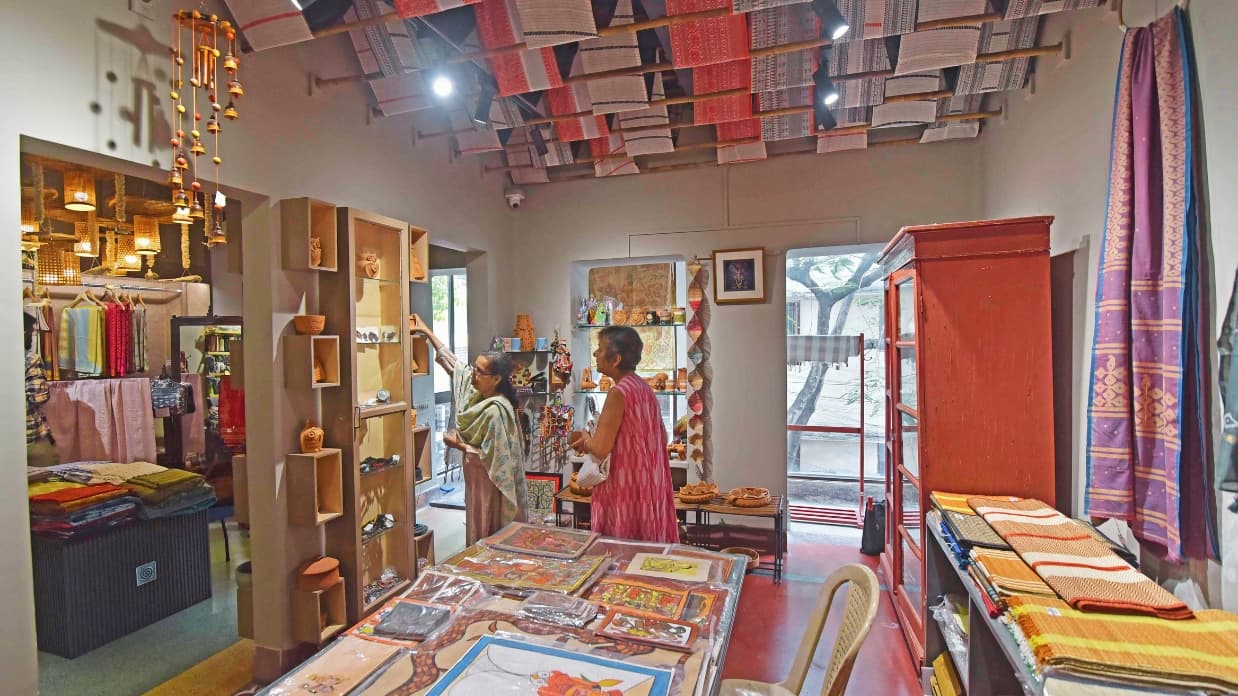
Artisana celebrates not only Bengal's rich craft heritage, but also the artisans whose skills continue to keep these traditions alive.
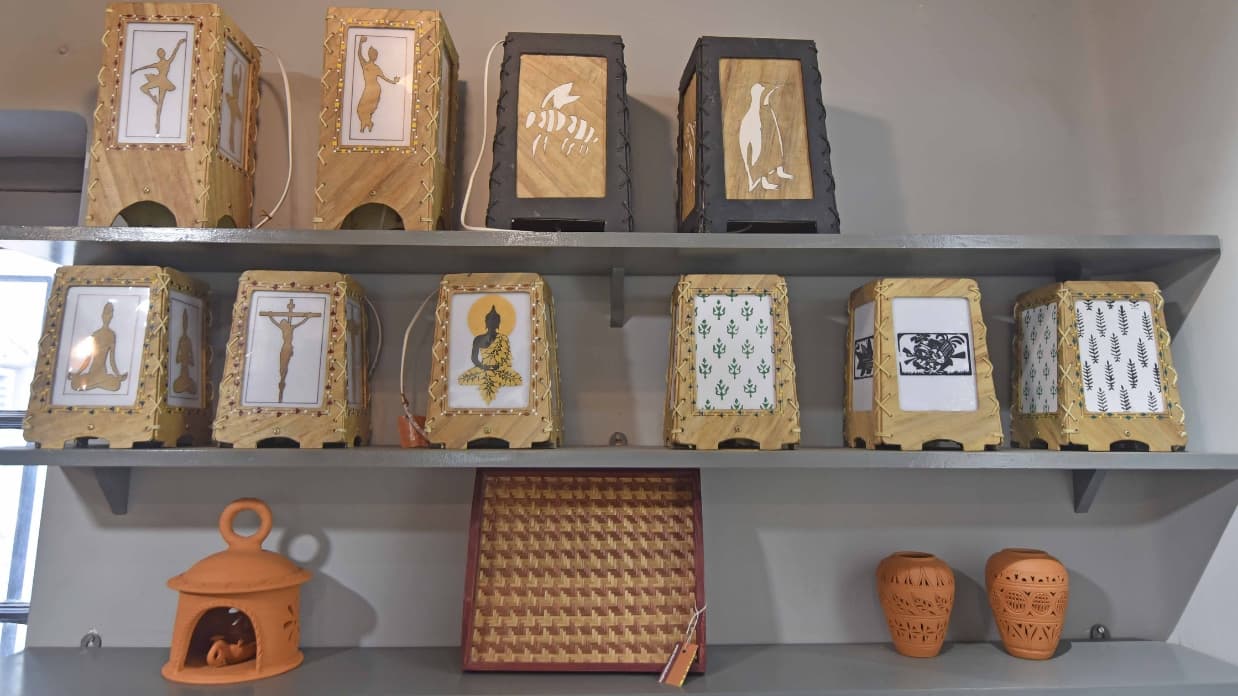
Artisana celebrates not only Bengal's rich craft heritage, but also the artisans whose skills continue to keep these traditions alive.
As conversations around sustainability become increasingly urgent, traditional craft practices are gaining renewed relevance. For Anjum Katyal, this growing awareness offers reason for optimism. She points to a rising consciousness around mindful consumption as a significant opportunity for artisans. However, she also emphasises that survival depends on innovation. Traditional skills must be paired with thoughtful design interventions that help handmade products find a place in contemporary lifestyles.
Across Bengal, from the terracotta villages of Bankura and the weaving centres of Nadia to the Dokra artisans of western Bengal and the Kantha embroiderers of rural communities, craft traditions continue to shape local identities and livelihoods. As the Council marks 60 years, Artisana stands as a reminder that heritage survives not through preservation alone, but through creating meaningful economic opportunities for the artisans who keep these legacies alive.


