
A joint initiative by



 Published on 2026-01-31Updated on 2026-01-31
Modern cities have a habit of erasing their own memories. As skylines rise and roads widen, older landscapes are often reduced to footnotes and indigenous cultures preserved only in fragments. Yet, on the eastern fringes of Kolkata, within the meticulously planned grid of New Town, there exists a space that resists this quiet erasure.
The Eco Urban Village, maintained by the New Town Kolkata Development Authority (NKDA), offers something rare in an urban setting. It is more than a park and far more than a museum. It is a carefully imagined environment where ecology, recreation and cultural memory intersect. It is a place that encourages visitors to slow their pace, to listen rather than rush and to experience the city from an entirely different rhythm.
At a time when urban travellers increasingly seek meaning over spectacle, the Eco Urban Village, situated opposite the Eco Park, stands as a thoughtful reminder that some of the most rewarding journeys require no long-distance travel at all.
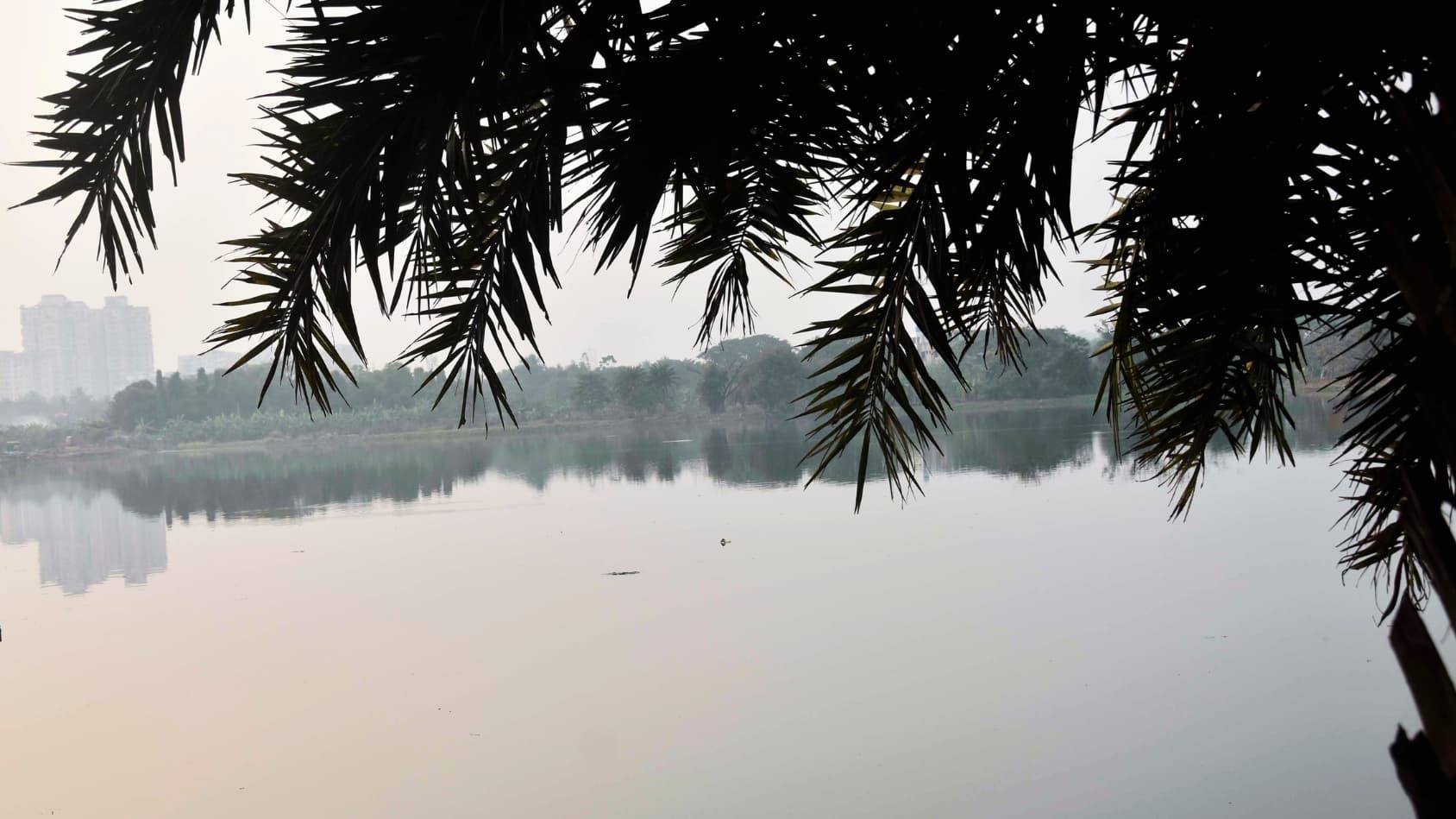
The Village's serene waters reflect the sky and greenery, adding to the sense of expansive openness.
The first thing visitors notice upon entering the Eco Urban Village is the presence of water. A large waterbody stretches alongside the grounds, instantly mellowing the surroundings. The reflective surface captures the changing skies — pearl-grey mornings, sharp blue afternoons and amber-tinged evenings.
Water plays more than an aesthetic role here. It cools the air, attracts migratory and local birds and lends the area a sense of openness rarely found within city limits. Breezes move freely across the surface, carrying the scent of wet earth and vegetation.
Early mornings belong to walkers and birdwatchers. The air is fresh, the light is soft and the sounds of the city feel distant. By late afternoon, families arrive, spreading picnic mats beneath trees or strolling along the paths, unburdened by screens or schedules. As the time to close approaches, the Village settles into a gentle evening hush.
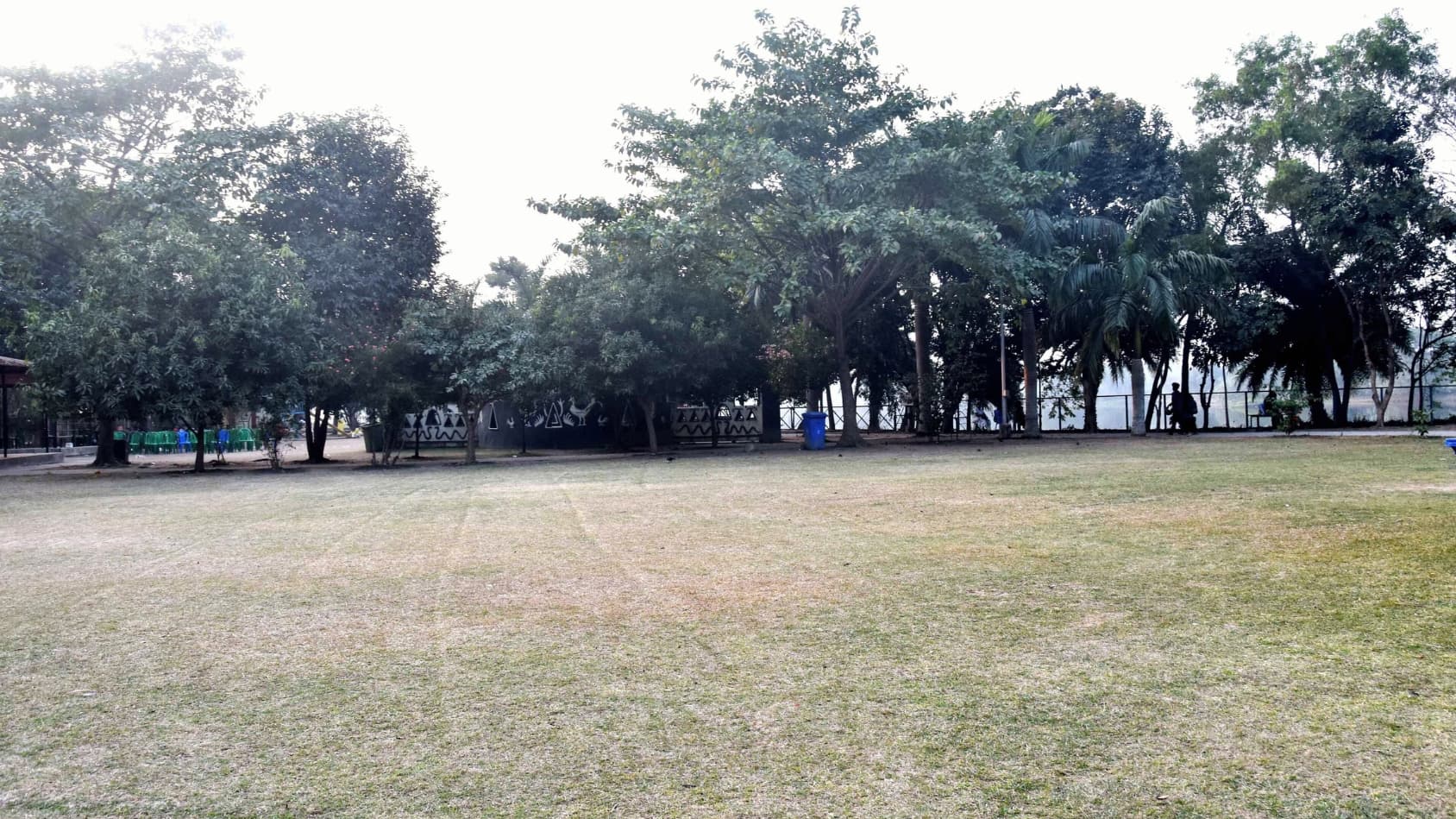
The sprawling lawns invite slow strolls and relaxed picnics.
New Town is widely known for its planned infrastructure, corporate offices and modern residential complexes. Its wide roads and geometric layouts speak of efficiency and growth. Against this backdrop, the Eco Urban Village feels almost subversive. It does not conform to the satellite city's emphasis on speed and productivity. Instead, it offers leisure — meandering paths, open lawns and shaded corners where time appears to stretch.
The contrast is striking. Step outside the village boundaries and traffic resumes its steady hum. Step back in, and the soundscape shifts to rustling leaves and birdsong. This deliberate separation allows visitors to experience a sense of retreat without ever leaving the city. For urban travellers and Kolkata residents alike, the Eco Urban Village represents a new kind of destination — one that prioritises mental space as much as physical space.
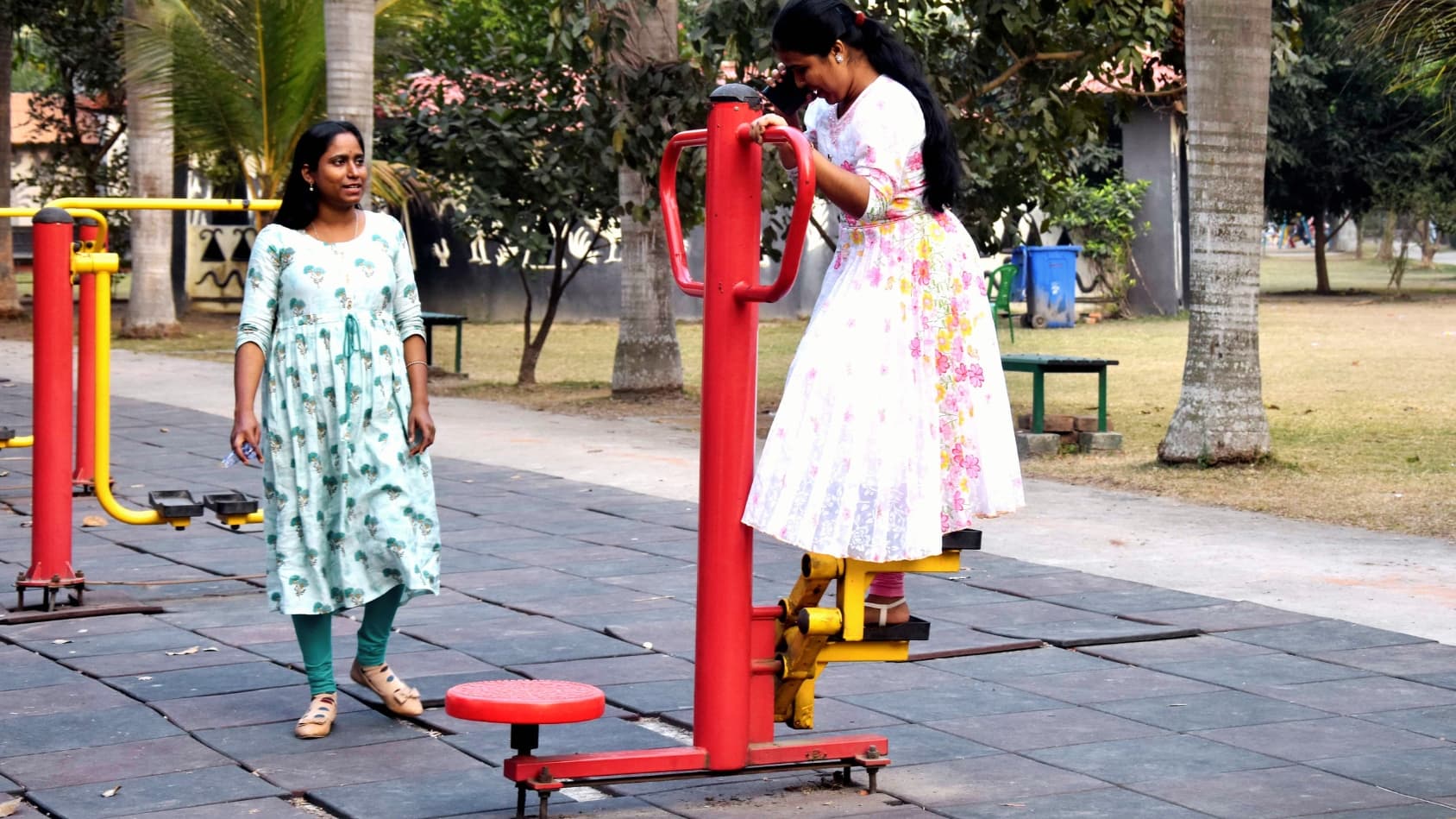
The open-air gym at Eco Urban Village offers a refreshing alternative to stuffy indoor workouts.
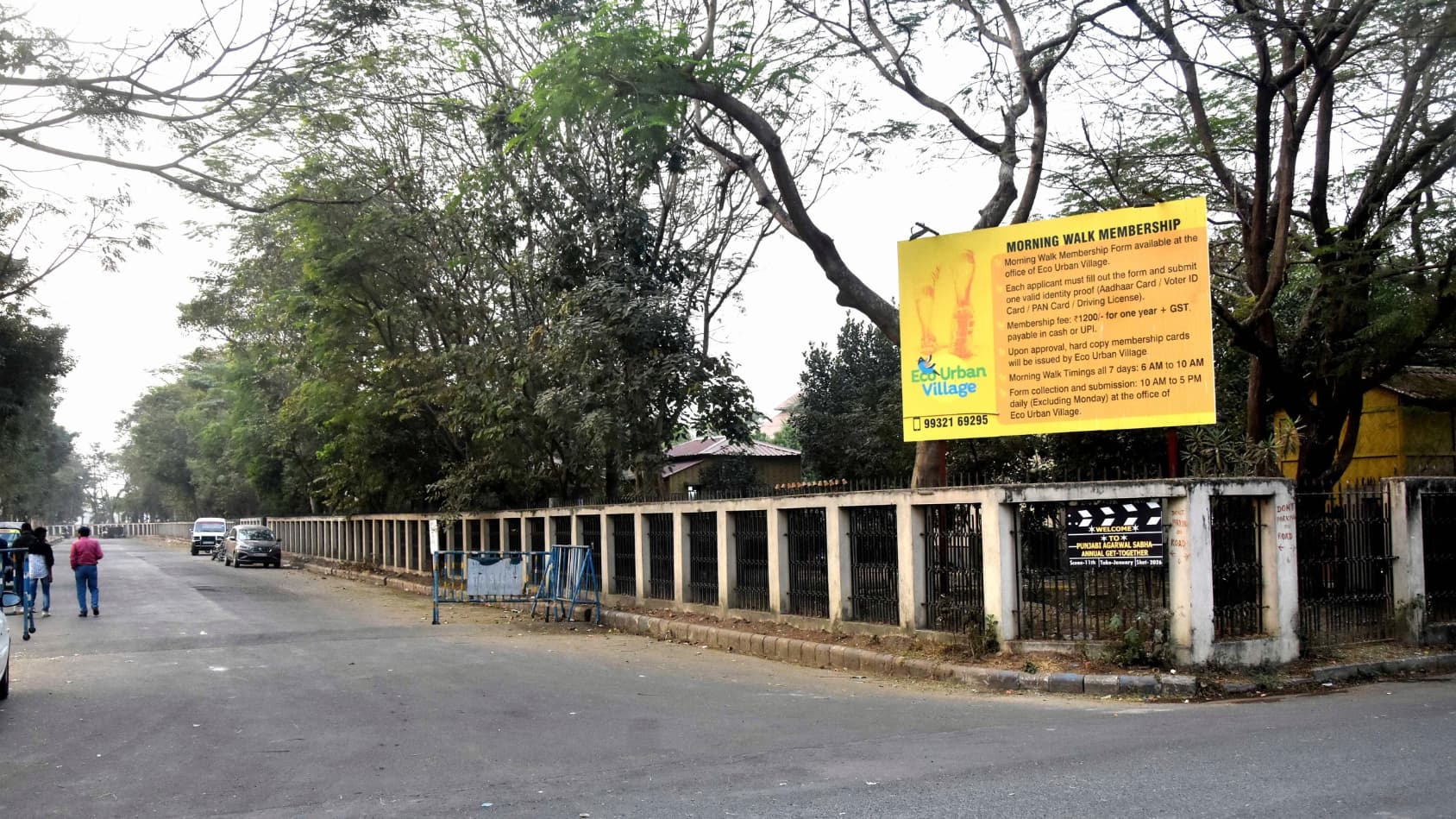
Morning walkers and joggers enjoy the well-paved track.
The Eco Urban Village is not merely a place to observe; it is designed to be experienced through movement and stillness in equal measure. A well-maintained walking track winds through the grounds, guiding visitors across different sections. The path encourages exploration, allowing walkers to choose their own pace. Morning joggers share the track with elderly visitors out for a slow walk, parents pushing prams and solo travellers seeking quiet reflection. The route never feels monotonous and each turn offers a slightly different view.
Adding a contemporary layer to the experience is the outdoor gymnasium. Set beneath open skies, the gym equipment allows visitors to exercise whilst breathing in the fresh outdoor air. There are no walls, no artificial lighting — only the sound of wind, water and distant laughter.
Benches and shaded seating areas are thoughtfully placed throughout the village. These small pauses not only aid the elderly who venture here, they also encourage visitors to stop and simply exist without purpose. It is not uncommon for someone to arrive intending a brief visit, only to lose track of time entirely.
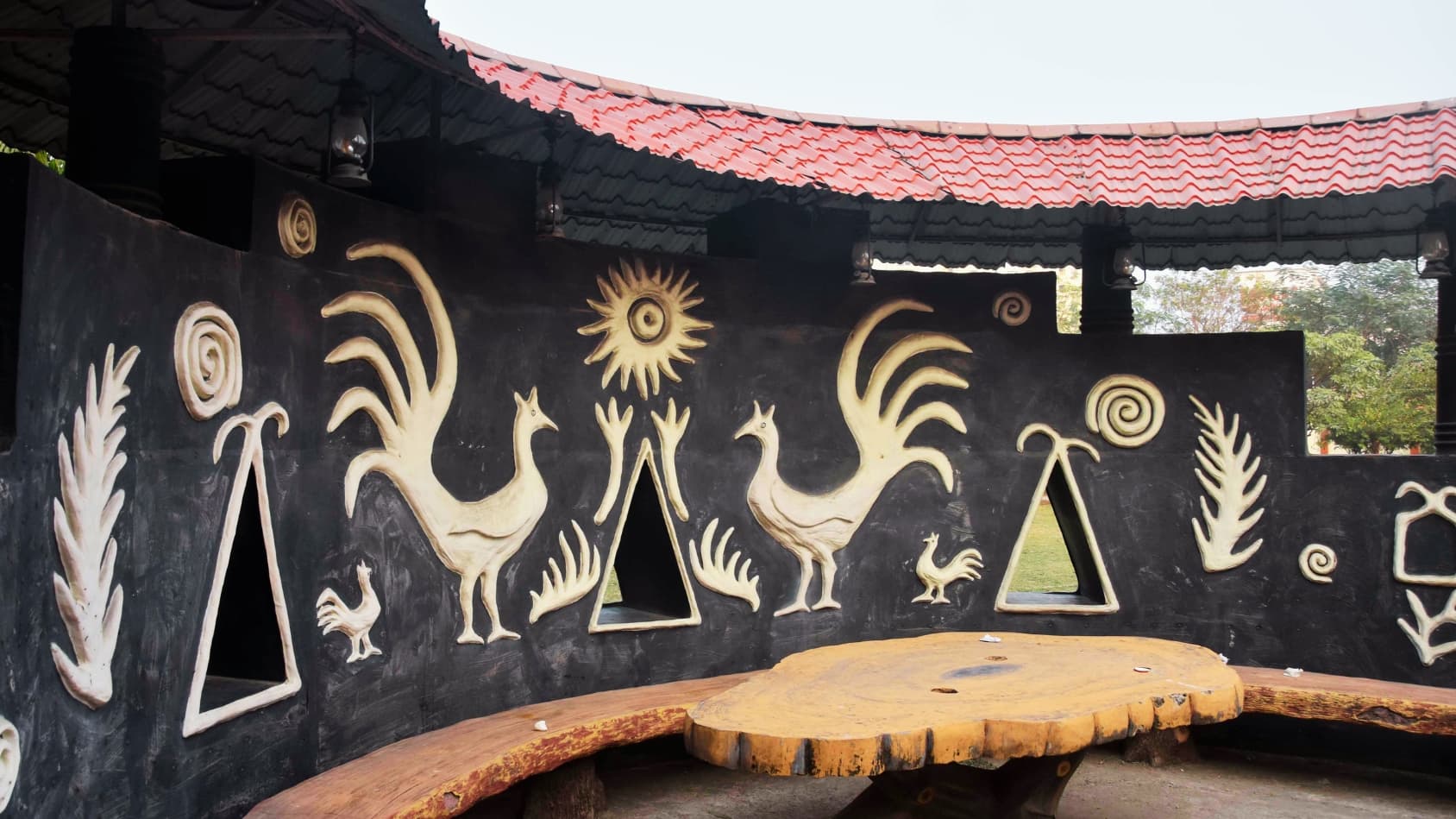
Circular seating areas with walls adorned with relief carvings are perfect for relaxed conversations.
Accessibility is one of the Eco Urban Village's most understated strengths. With a nominal entry fee of just Rs 10 for general visitors, the space remains open to people from all walks. This affordability ensures that the village does not become an exclusive enclave, but rather a shared urban space savoured by all.
The low cost also encourages repeat visits, allowing people to experience the village across seasons. Monsoon rains transform the landscape into shades of deep green, winter mornings bring mist over the water and summer evenings glow with long, golden light.
This sense of belonging is essential to the village's identity. It functions not merely as a tourist attraction, but as a living part of the community — a place woven into the daily lives of New Town residents.
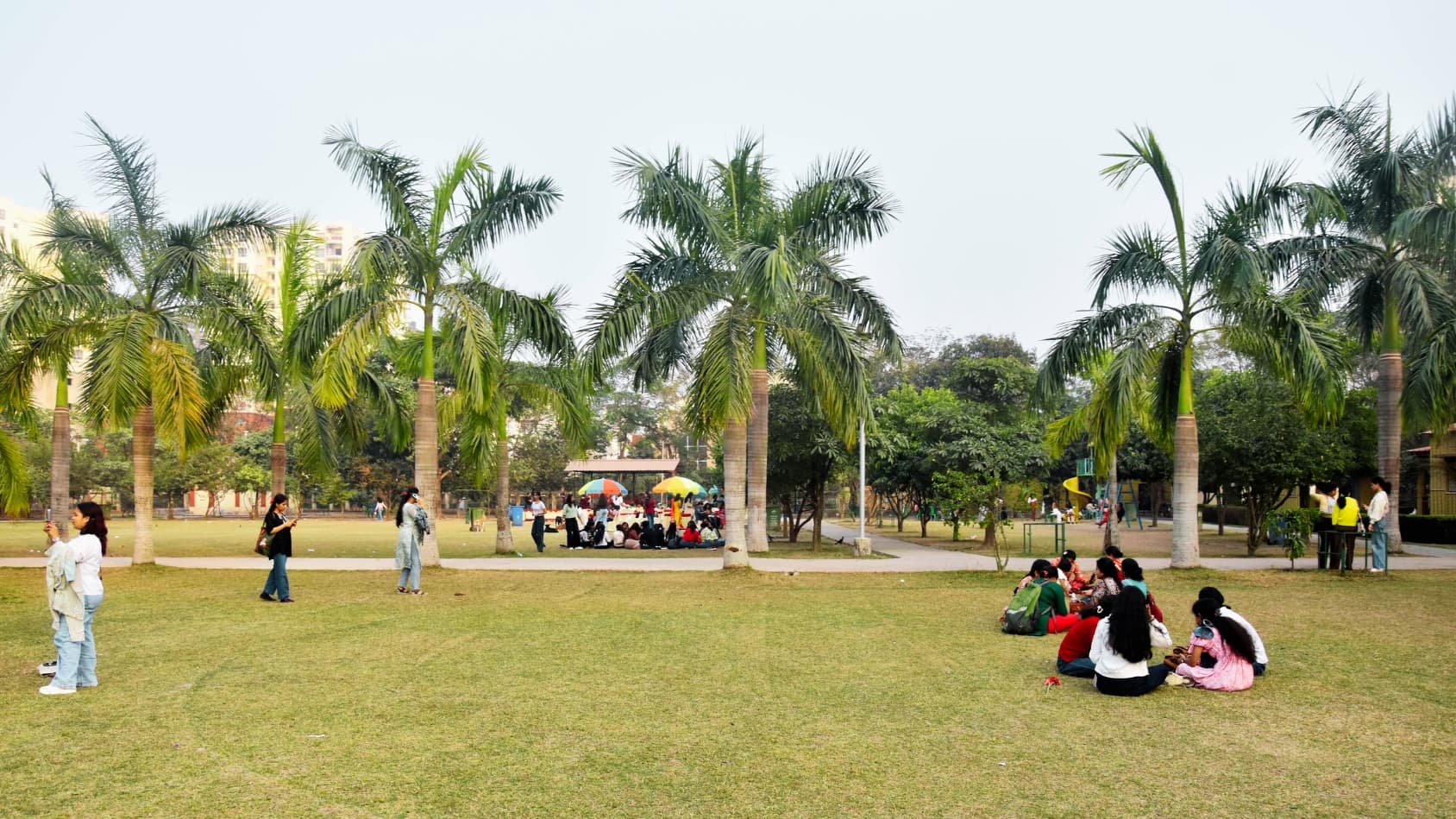
Families and friends can picnic on the lush green grounds.
The Eco Urban Village has earned a reputation as one of New Town's most relaxed picnic destinations.
There are designated picnic zones that groups can officially book at a fee of Rs 5,000. This arrangement includes access to a dedicated room, a shed and a stove, allowing visitors to prepare meals on site if they choose. The option is particularly appealing to large families, cultural groups and organisations looking for a day-long retreat within city limits.
What sets the experience apart is flexibility. Visitors are permitted to bring in outside decorators and caterers, making the village suitable for informal celebrations, reunions or small community events. The open setting, fresh air and scenic surroundings lend these gatherings a warmth that enclosed venues often lack.
Importantly, even on picnic days, the village rarely feels crowded. The spacious layout ensures that different groups can coexist without intruding upon one another's experience.
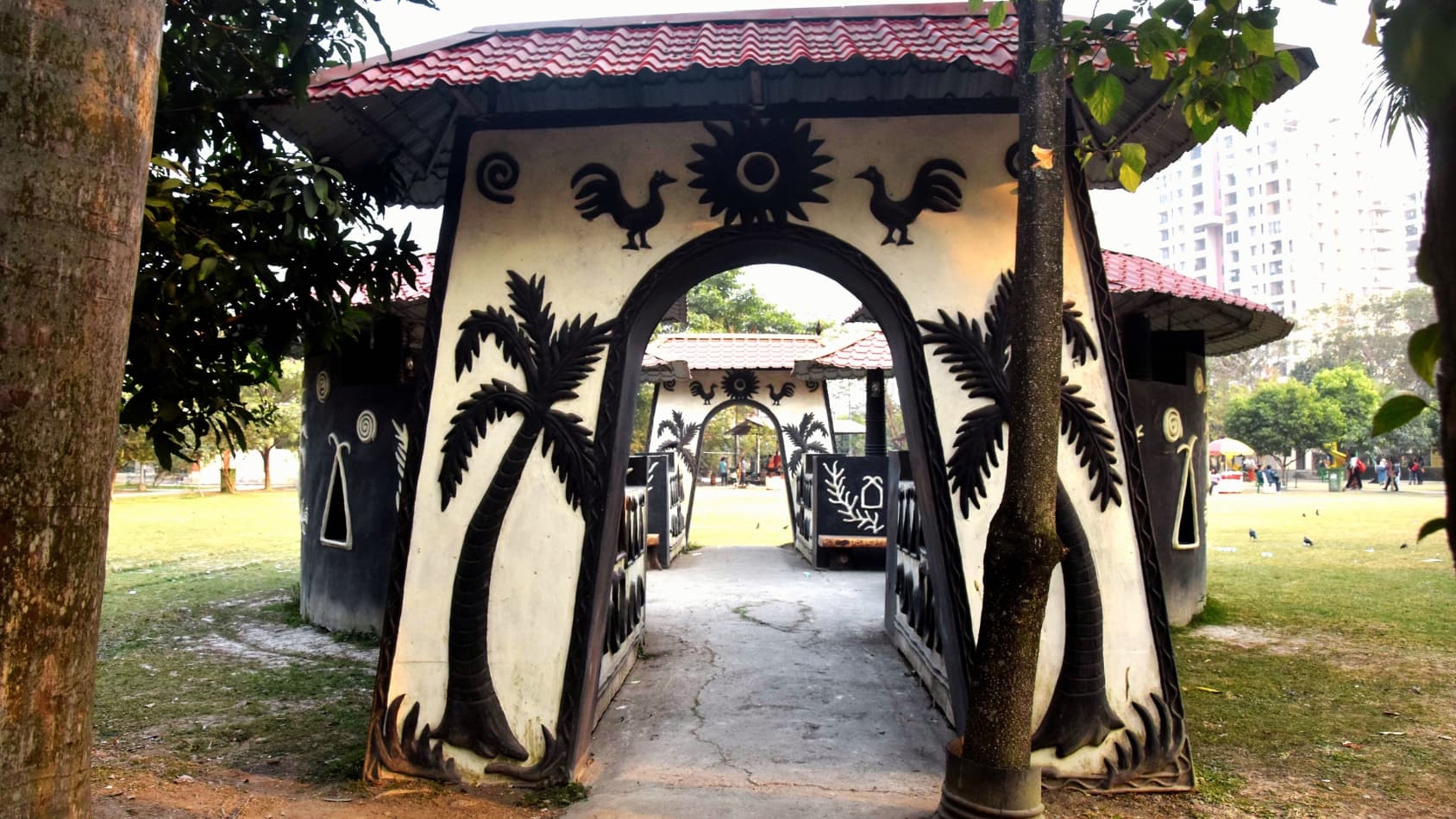
This beautifully decorated archway leads visitors into the heart of the village's cultural zones.
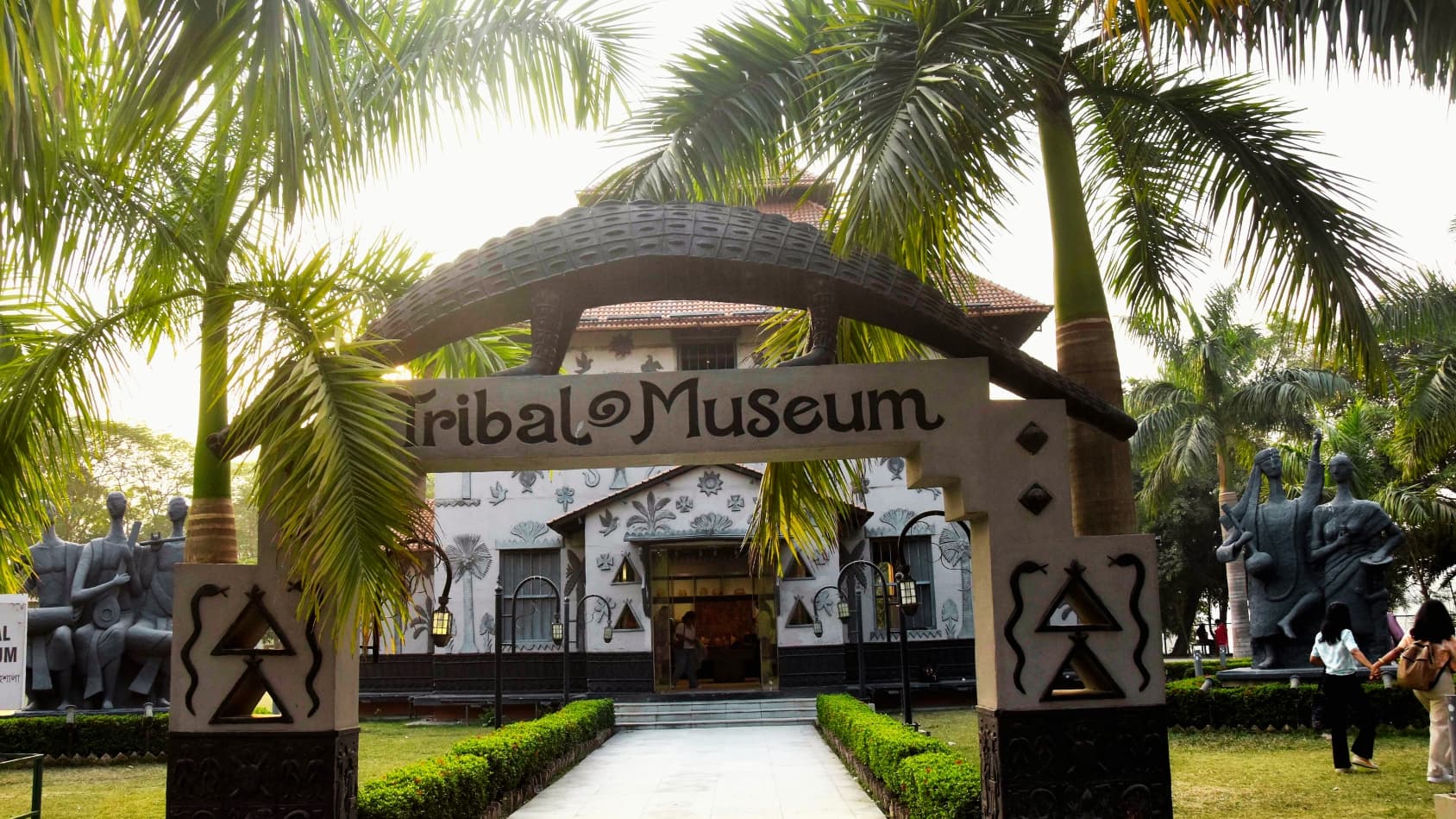
The entrance to the Tribal Museum, with its striking animal motifs and Santiniketan-inspired design.
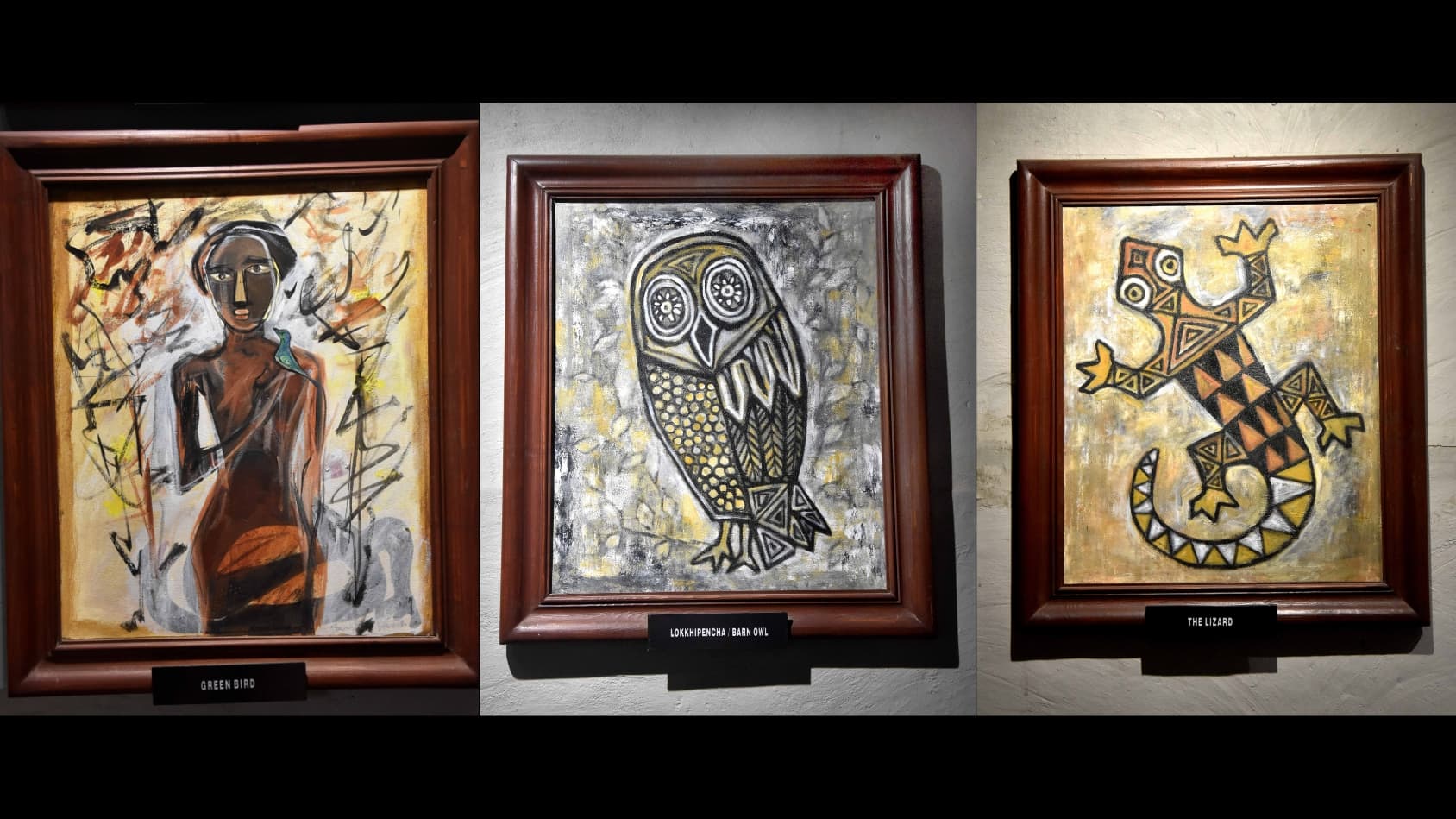
Traditional art pieces on display inside the museum.
Whilst the landscaped grounds provide tranquillity, the true depth of the Eco Urban Village reveals itself within its Tribal Museum. This two-storey structure forms the cultural heart of the site, anchoring leisure in learning and reflection.
Architecturally inspired by the traditional village buildings of Bolpur-Shantiniketan, the museum's design favours earthy tones, natural materials and simplicity. Rather than dominating the landscape, the building blends into it, reinforcing the village's philosophy of harmony.
Inside, the atmosphere shifts to quiet reverence. The museum's architectural design plays a quiet but crucial role in shaping the visitor experience. Natural light filters softly into the interiors, avoiding harsh illumination. Spaces feel open, breathable and calm.
There is no rigid path to follow. Visitors move organically, guided by curiosity rather than signage. This fluidity reinforces the idea that culture is not something to be consumed quickly, but something to be encountered thoughtfully.
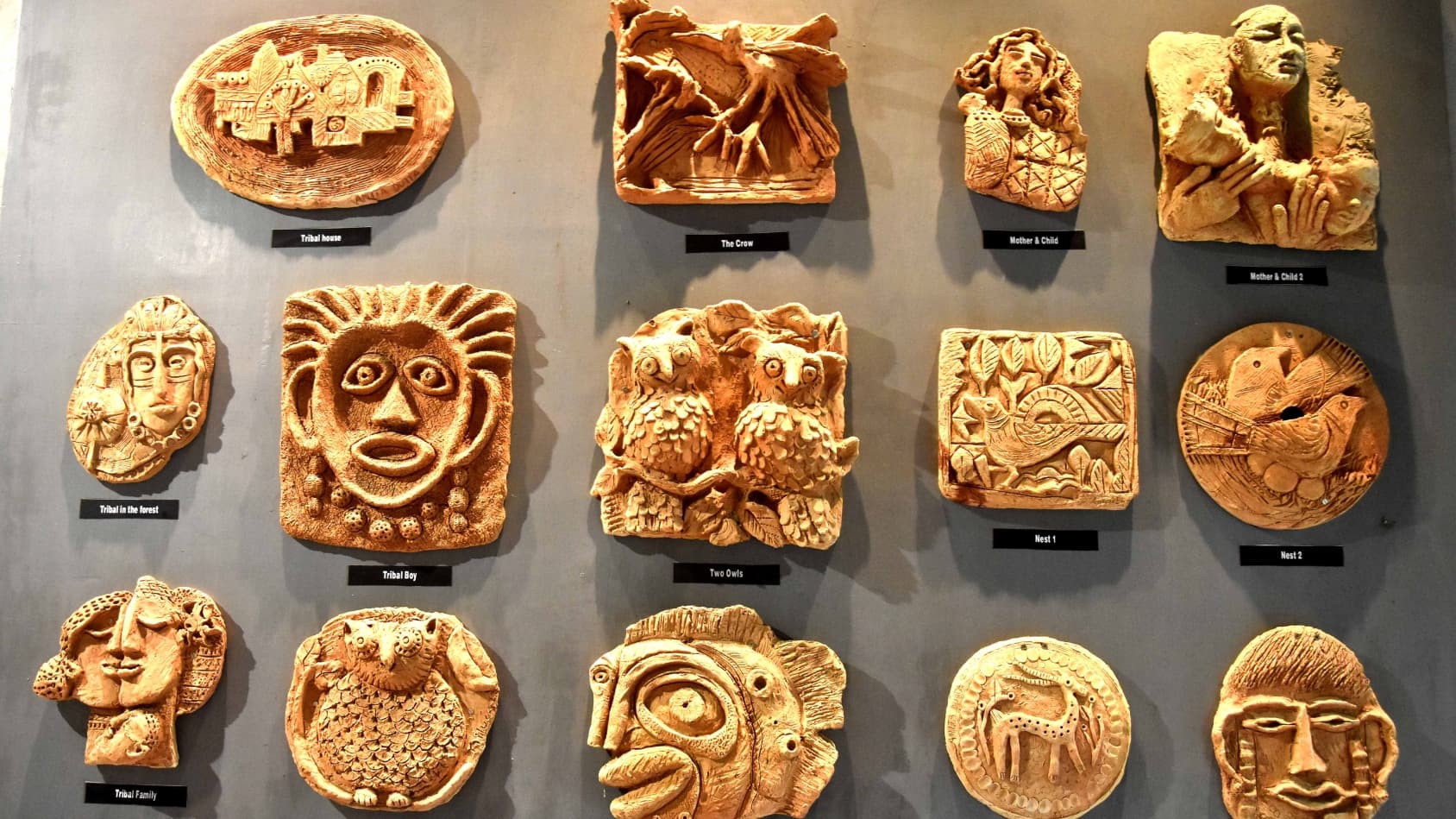
Terracotta pieces speak of Bengal's ancient craft heritage.
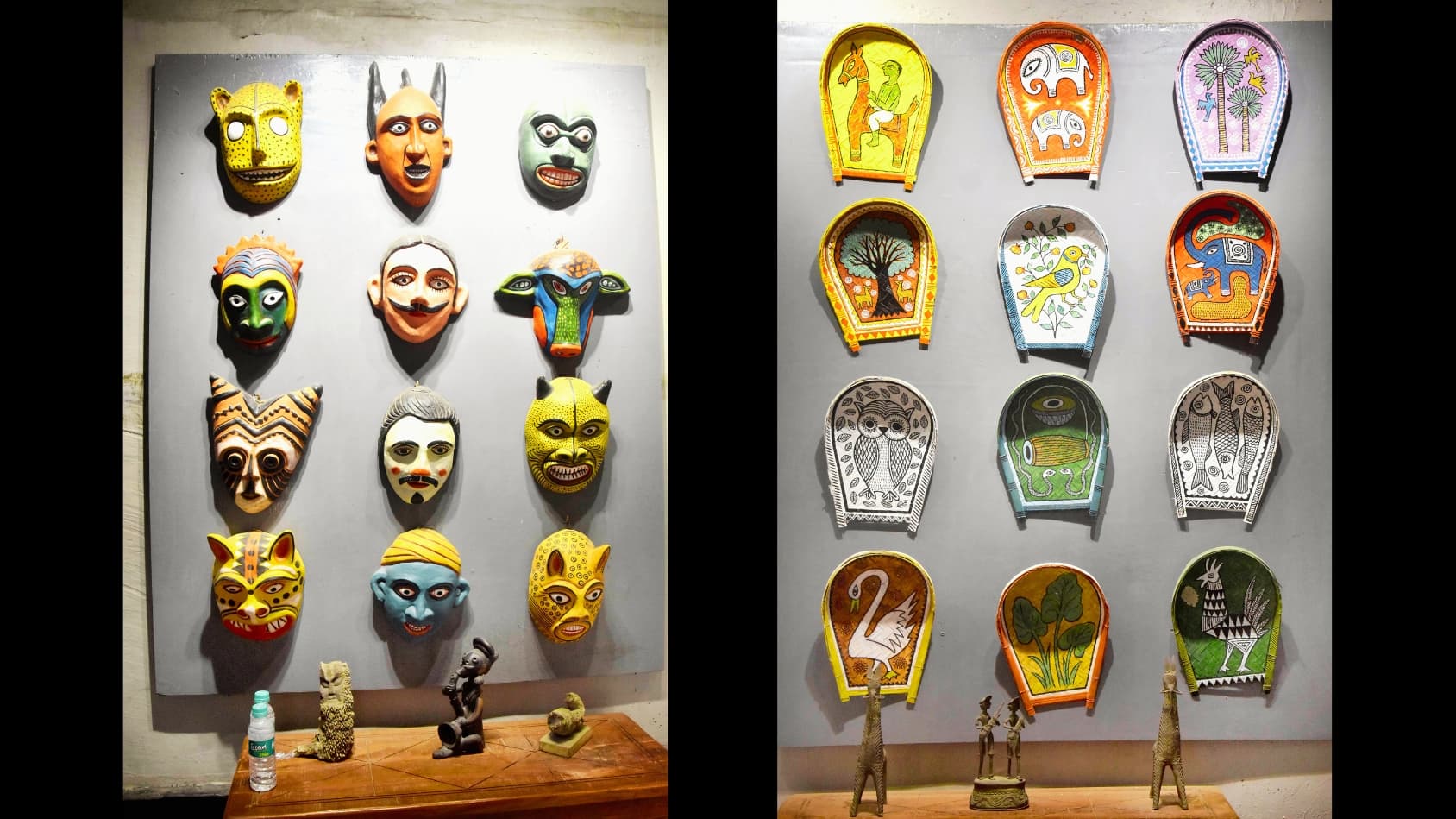
Masks from regions such as Purulia and Bankura command attention.
A significant portion of the museum is devoted to the tribal communities of West Bengal. Among the most evocative displays are those featuring Santhal art. Known for its rhythmic lines and earthy colours, Santhal artwork often depicts scenes of agriculture, dance and communal life.
Then there are the masks from regions such as Purulia and Bankura. Traditionally used in folk performances and ritual dances, these masks blur the boundary between art and storytelling. Each mask carries personality — sometimes playful, sometimes fierce — reflecting the roles they play in performance traditions.
Terracotta works and Dokra metal artefacts further enrich the collection. They reflect Bengal's ancient craft heritage, shaped as much by hand as by history.
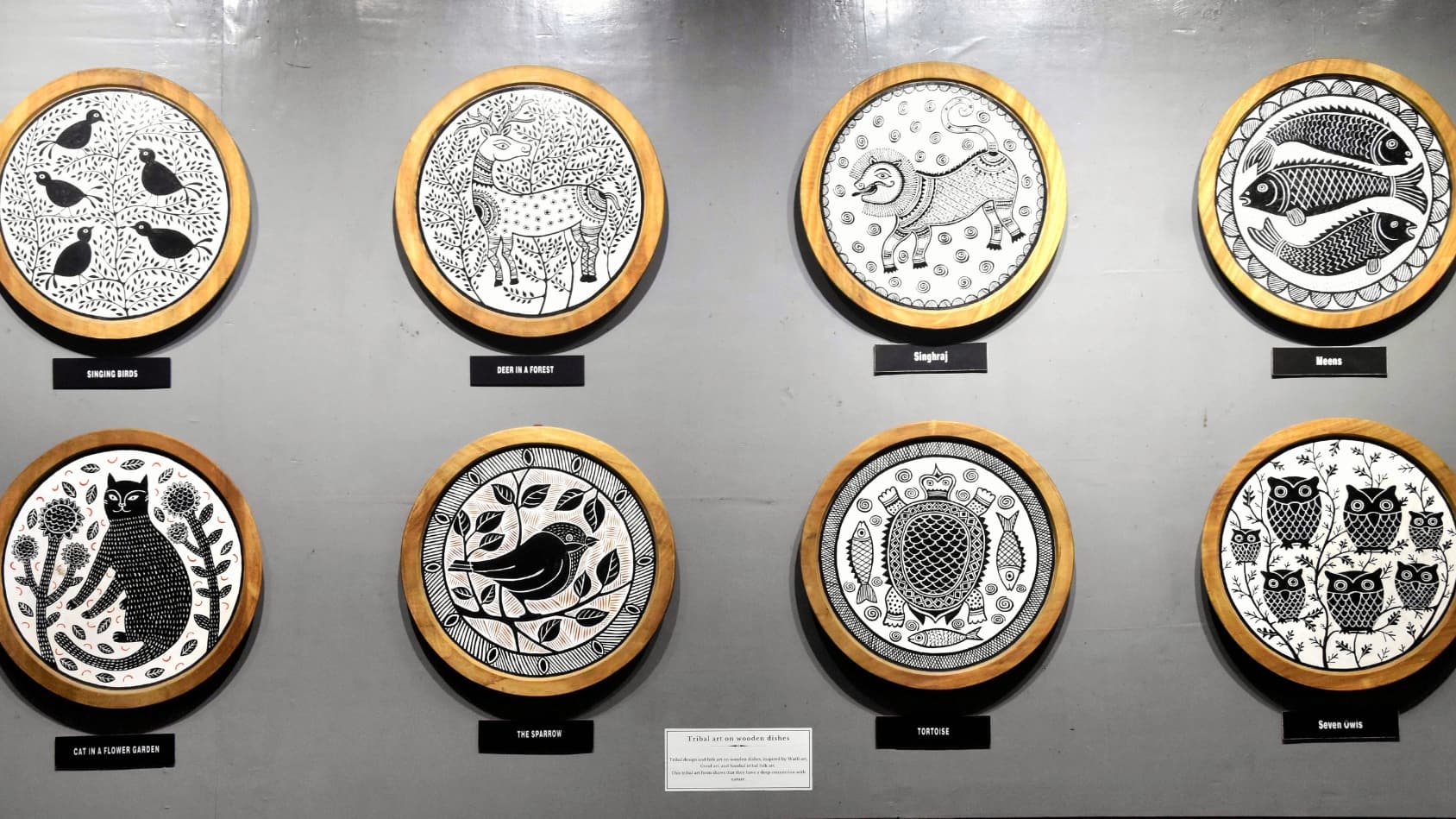
A display featuring intricate tribal art on wooden dishes.
The museum's narrative also extends beyond Bengal. The presence of artefacts from tribal communities across India create a broader, pan-Indian perspective. Displays from the Angami tribe of Nagaland include intricate neck pieces and ornaments, wall hangings from the Kodava tribe bring texture and pattern into the museum space and Bhil artworks introduce bursts of colour and symbolic imagery, reflecting a worldview deeply entwined with forests and wildlife.
Munda tribal sculptures, portraying agricultural life and collective social structures, occupy a space of their own, while collections representing the Bhutia, Chenchu and Khasi tribes offer glimpses into diverse geographical and cultural environments — from mountain regions to dense forests.
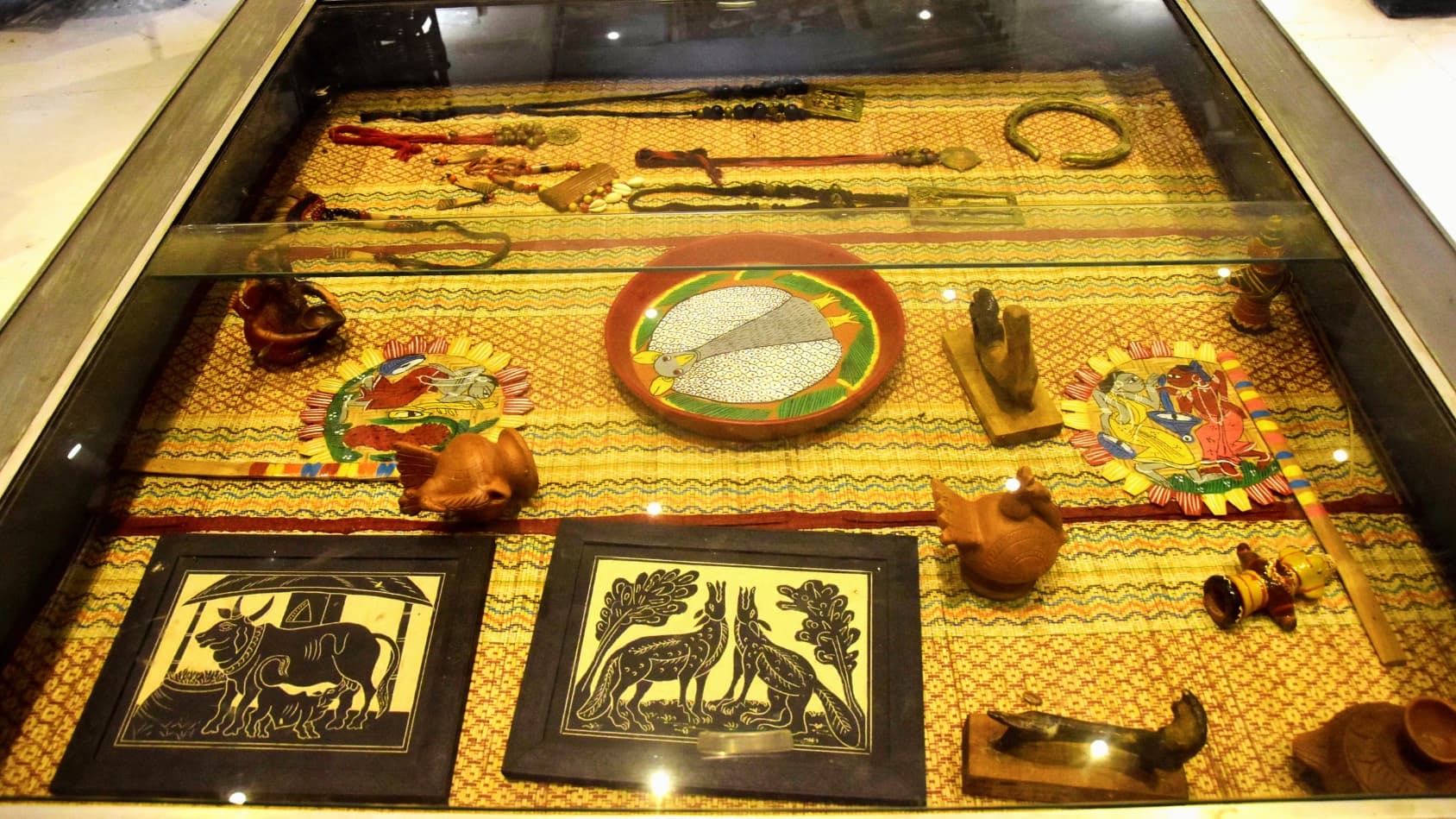
A close‐up of intricate tribal artefacts celebrating craft and culture.
One of the museum's most compelling features is its focus on everyday objects as expressions of art. Painted plates and dishes mounted on walls challenge conventional ideas of what belongs in a museum. These items were never meant to be displayed; they were meant to be used.
By elevating functional objects, the museum underscores a key truth of tribal cultures: art is not separate from life. It exists in ceremonies and shared spaces, woven seamlessly into daily routines. Large wall murals extend this philosophy further.
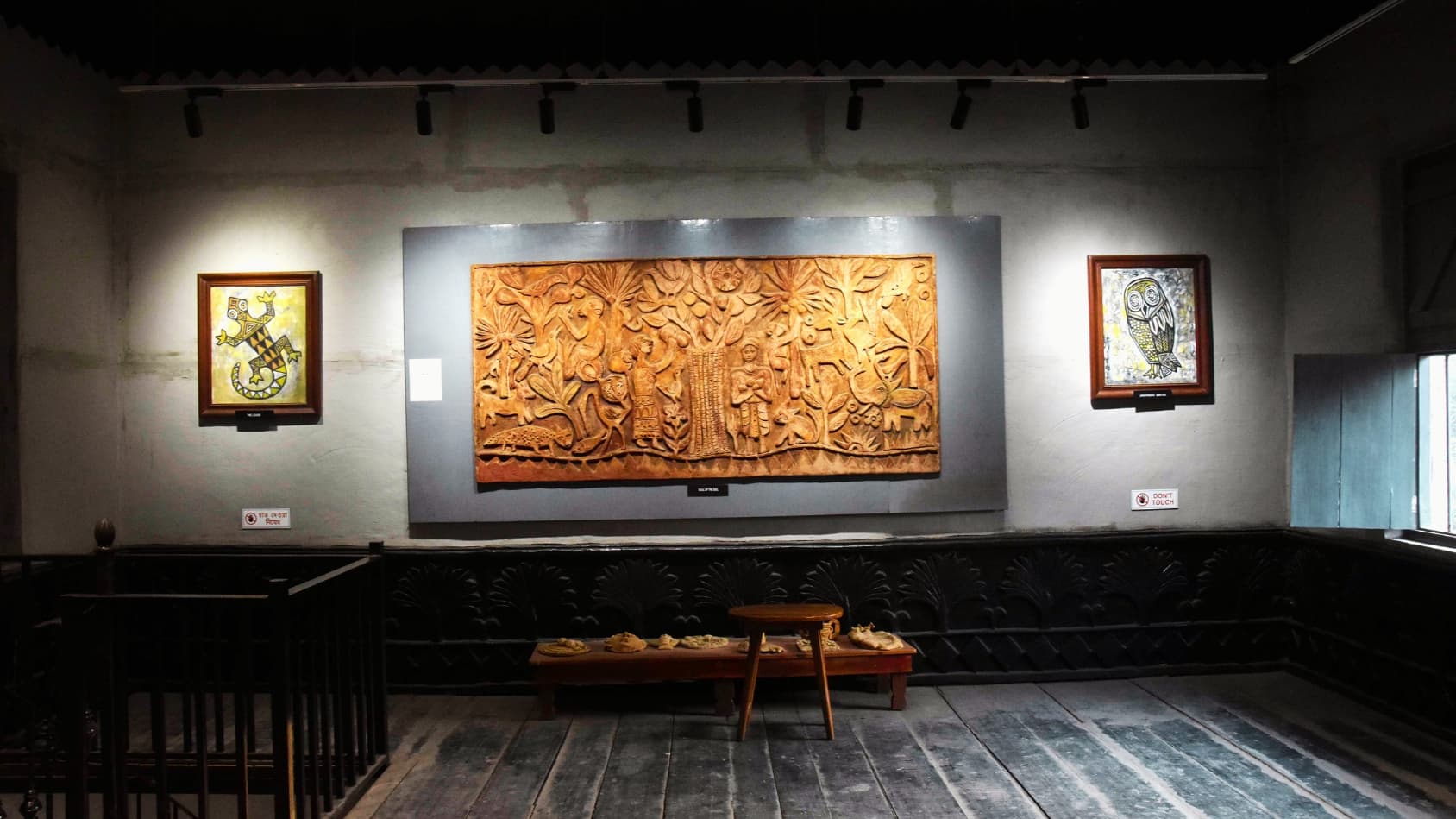
A centrepiece of the museum, this massive hand-carved relief panel depicts the intricate relationship between tribal communities and the forest.
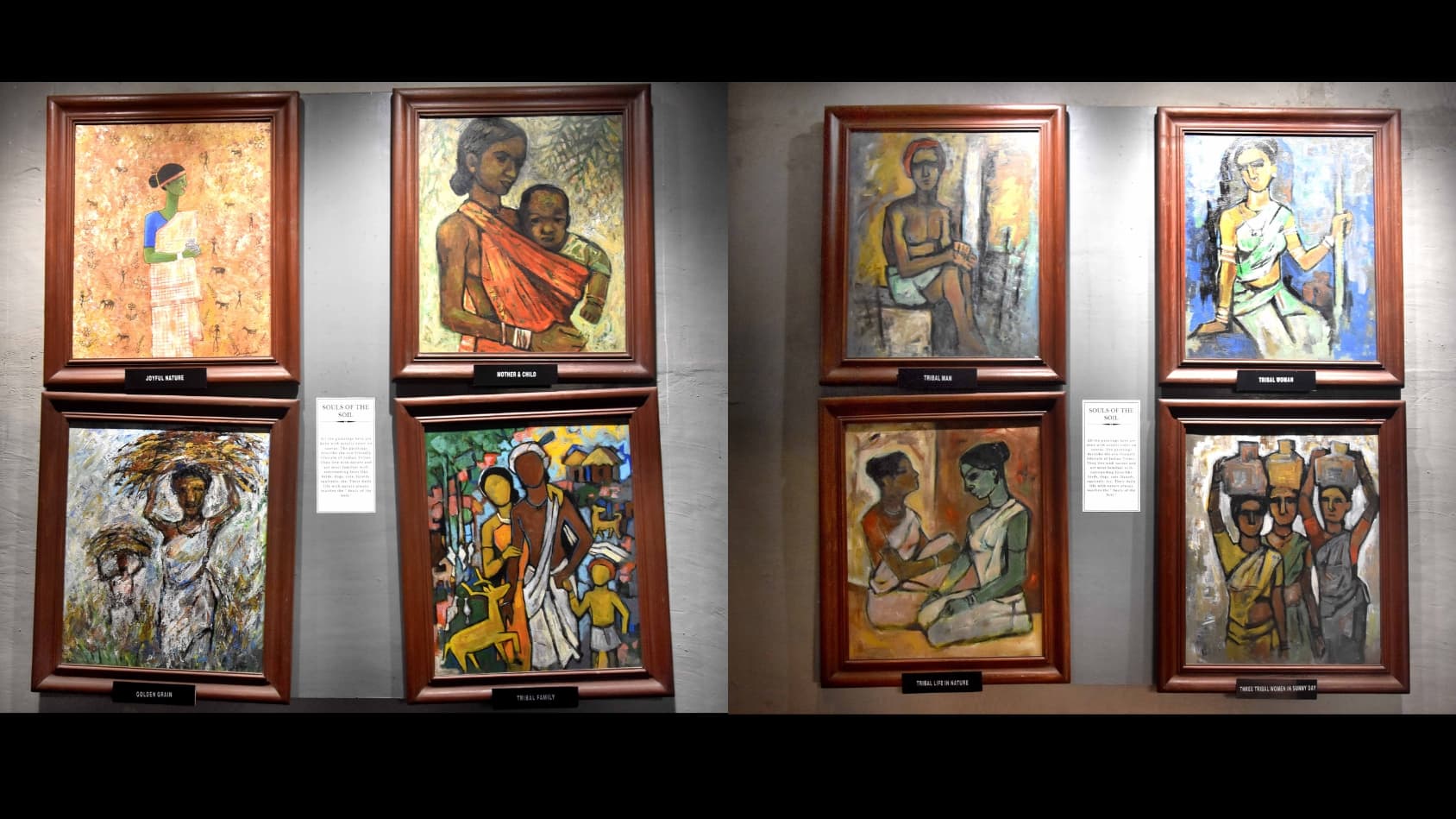
The gallery captures the rustic essence of Bengal's artistic heritage.
Beyond recreation, the Eco Urban Village functions as an accessible educational space. Students, families and cultural enthusiasts find value in the museum's approachable presentation. Informational panels offer context without overwhelming you with detail, allowing visitors to engage at their own level.
The emphasis is on curiosity rather than instruction. Visitors are encouraged to ask questions, to observe closely and form personal connections with what they see.
Many arrive with little prior knowledge of India's tribal cultures and leave with a deeper appreciation for their diversity, resilience and continuing relevance.
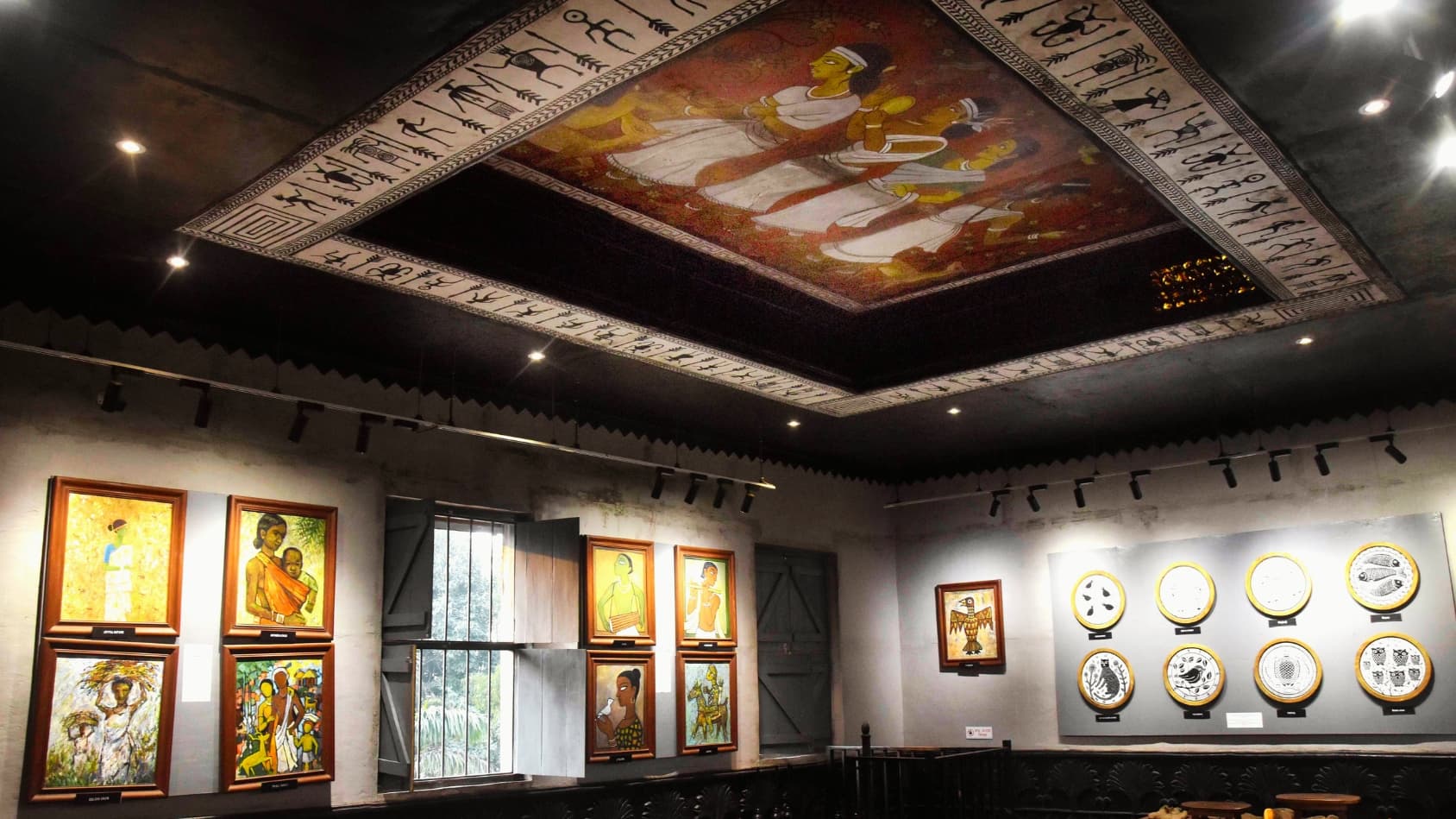
Art from floor to ceiling. The museum’s interior features a breathtaking ceiling mural illustrating traditional dance and community life.
Ultimately, the Eco Urban Village's greatest achievement lies in its ability to hold multiple experiences without losing its sense of calm. One can walk, exercise, picnic, explore art or simply sit beside the water watching the day unfold.
The Eco Urban Village is a reminder that urban progress need not come at a steep cost to nature or culture.
So for travellers and residents, the Eco Urban Village in New Town offers something quietly profound: a chance to reconnect — with land, with heritage and with oneself.
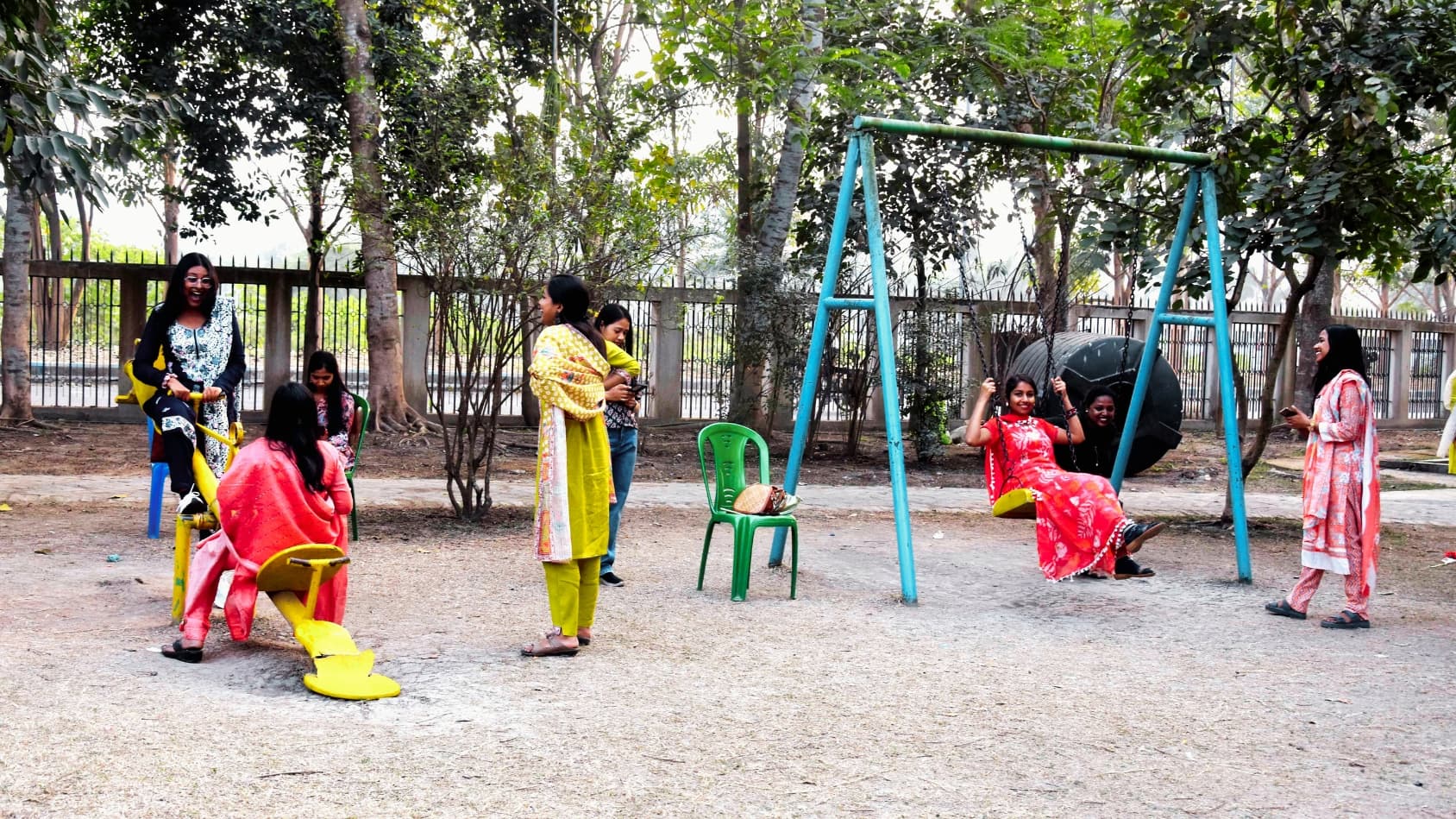
The village offers simple recreational spaces where visitors can enjoy the outdoors.


