
A joint initiative by



 Published on 2025-12-18Updated on 2025-12-18
Every cuisine has some signature ingredients that give it an unmistakable identity. Bengal’s culinary landscape is rich with such taste bombs.
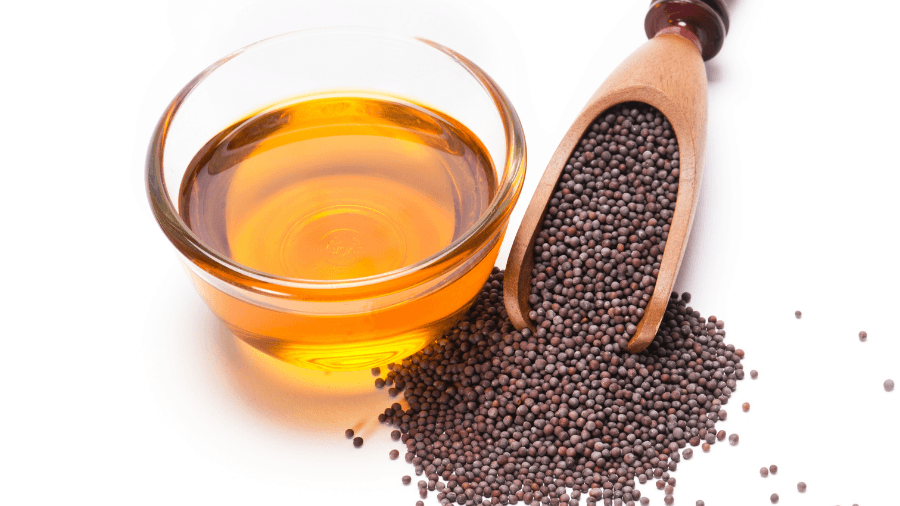
The golden oil derived from mustard seeds gives Bengali cuisine its unmistakable sharp edge.
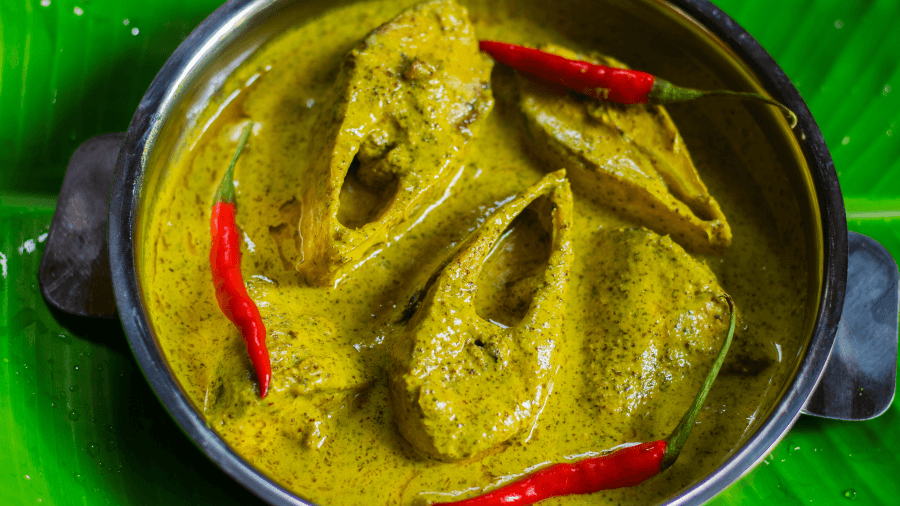
The final dash of raw mustard oil is the crucial ingredient that ties Shorshe Ilish together.
The soul of every Bengali kitchen, the fiery aroma of mustard oil gives countless dishes an edge. Mustard oil is not only used for cooking everything from fries to curries, a generous drizzle of the raw oil adds delicious sharpness to makhas, bhortas (mashes) and even roadside snacks like jhalmuri. A dash of it is also sometimes added to cooked gravies as a finishing touch — shorshe ilish (hilsa in mustard gravy) or ilish bhape (steam hilsa) would be incomplete without it.
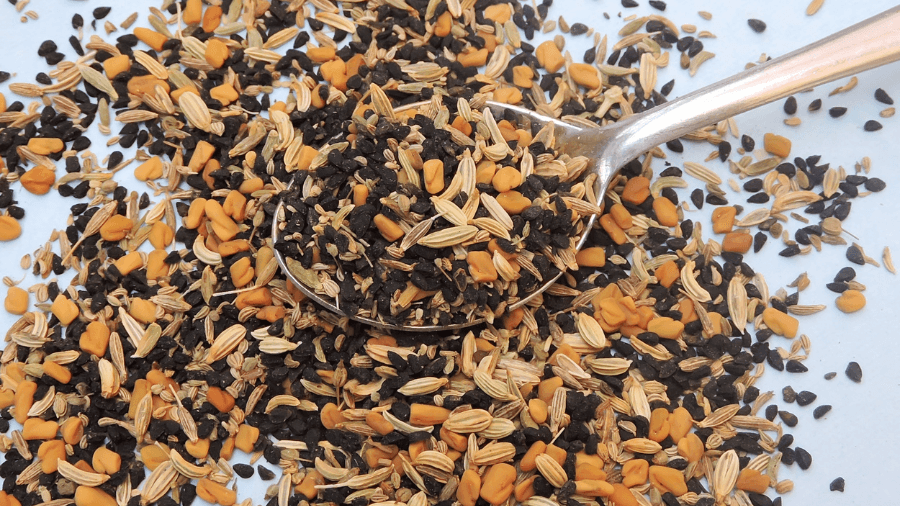
Five whole spices in perfect harmony — kalo jeere, methi, jeere, mouri and radhuni.
This is another magical ingredient of the Bengali kitchen. It is basically a mixture of five whole spices used as a tempering for vegetables. The humble mixture elevates the taste and smell of any dish. The five spices are kalo jeere (nigella), methi (fenugreek), jeere (cumin), mouri (fennel) and radhuni (wild celery) or sometimes shorshe (mustard).
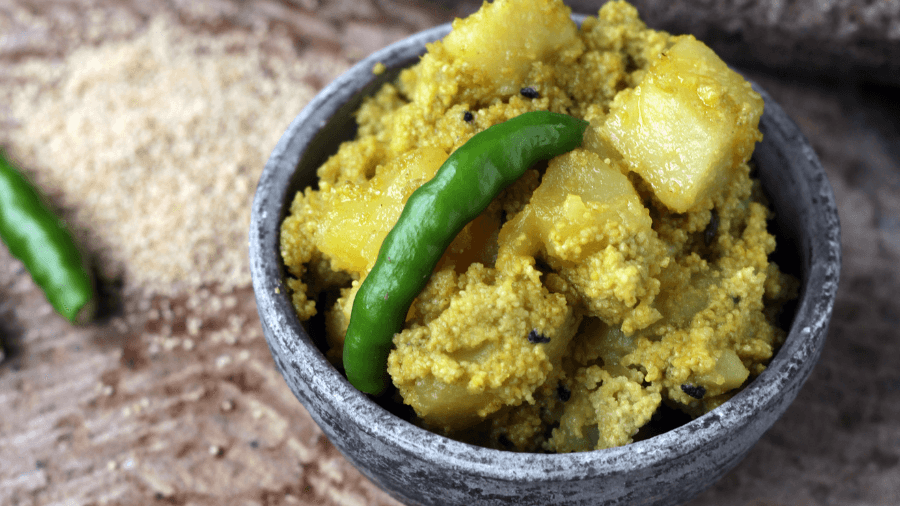
A beloved Bengali staple, Alu Posto, features the nutty coating of posto over tender potatoes.
Known for its nutty flavour, posto (poppy seeds) is a favourite ingredient of Bengali kitchens. Alu Posto (potatoes cooked with poppy seed paste) is the ultimate comfort food. Postor bora (poppy seed fritters) is another favourite.
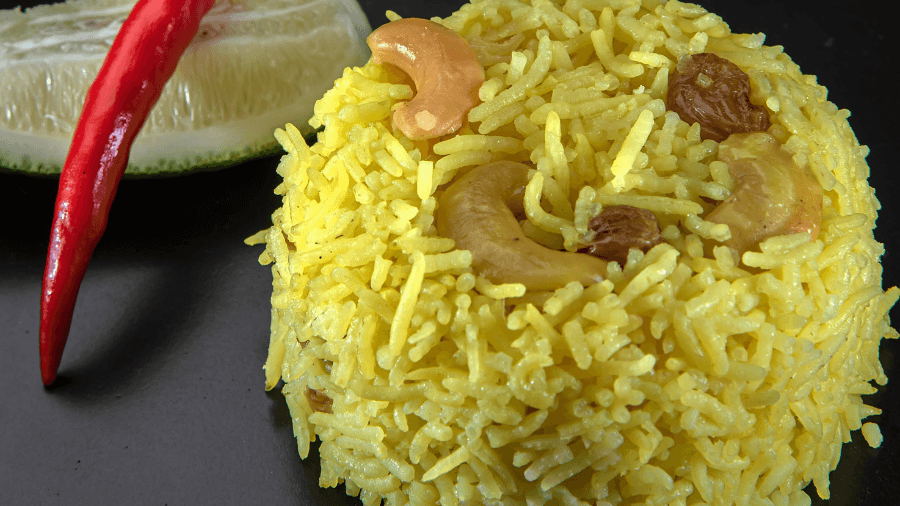
Gobindobhog rice transformed into fragrant Basanti Pulao.
If north India has its Basmati, Bengal has Gobindobhog — this fragrant, slightly sticky rice is a must for khichuri, payesh (kheer), pulao or seddho bhaat (steamed rice with boiled vegetables, lentils and egg). This short-grained rice, grown mostly in south Bengal, has been honoured with a Geographical Indication (GI) tag.
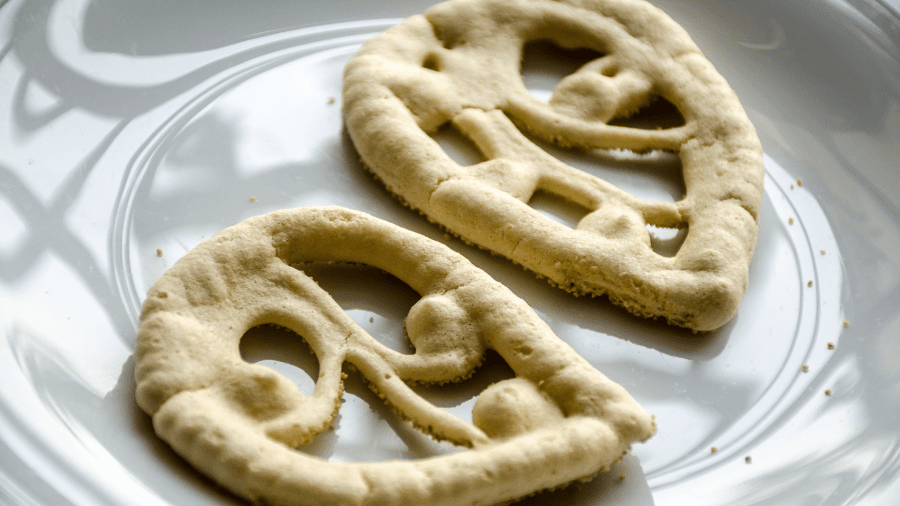
Goyna bori — where culinary craft meets jewellery-like artistry in Medinipur's kitchens.
The small sun-dried lentil dumplings are more than an ingredient, they are a part of Bengal’s culture. Boris come in different shapes and sizes and are made of different kinds of lentil. Each kind of bori has a specific use — some are used in vegetarian dishes like shukto, some in machher jhol (a light fish curry) and some are fried and had as a side with dal-bhaat (dal and rice). Traditionally, women of the house would make boris. It was often a group activity where the women engaged in banter as they went about giving shape to the dumplings or putting them out to dry. A very special kind of bori is gohona or goyna bori. Goyna in Bengali means jewellery and these intricately designed boris are no less than a culinary art. Made primarily in the Medinipur region of Bengal, the motifs of goyna bori take after alpona (Bengal's own version of rangoli) designs. This edible art even found mention in Satyajit Ray’s Agantuk (The Stranger, 1991).
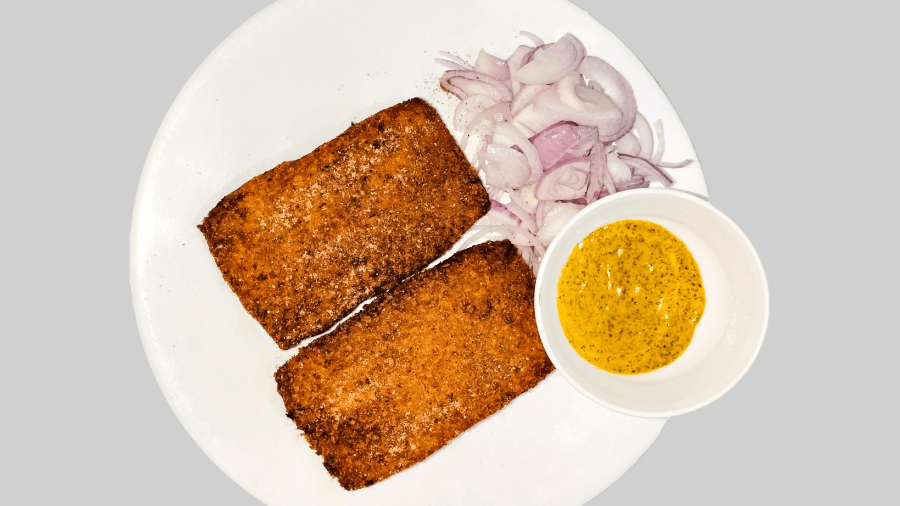
Bengali fish fry with its true companion — sharp, fermented kasundi.
A fermented mustard sauce, this was traditionally a homemade affair. Now you even get it bottled and is a must in every Bengali household and eatery. It has a very sharp flavour and taste, and is had with vegetarian and non-vegetarian food. Move over tartar sauce, Bengali Fish Fry is best served with kasundi. A dash of this pungent sauce is also a must while eating shaak bhaja (fried greens) with rice. Kasundi is sometimes used as a replacement for mustard paste to make fish curry. Aam Kasundi achaar is a much-loved mango pickle, made both sour and sweet.
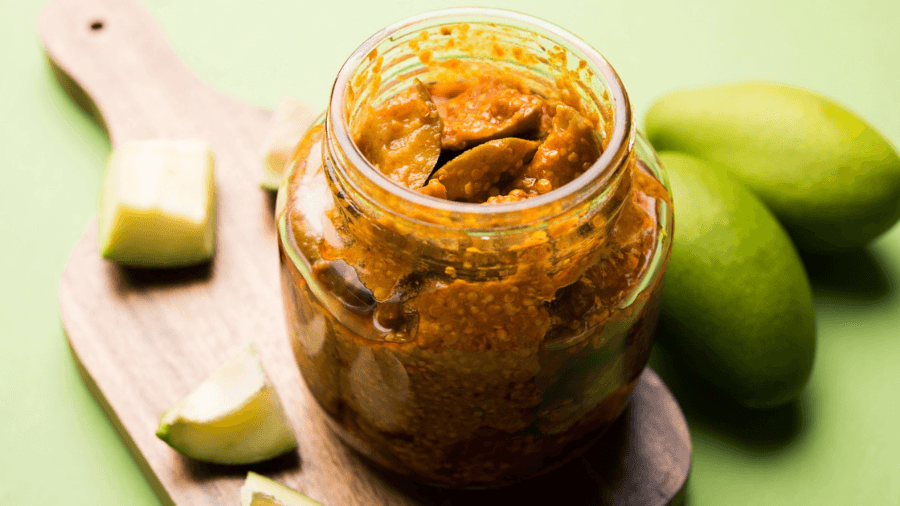
Raw mango chunks swimming in mustard oil. (Picture by stockimagefactorycom, Freepik)
Every region of India has its own typical pickles. In Bengali, one of them is Aam-Tel — a simple pickle of mango pieces drowned in mustard oil with a tempering of mustard seeds or paanch phoron.
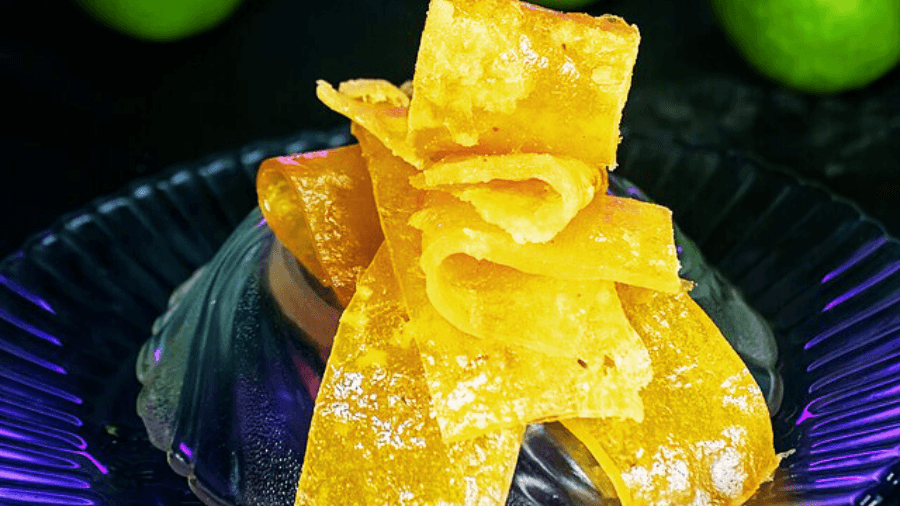
Candied mango pulp — the chewy sweet that Bengal savours all year round. (Picture by Tapas Kumar Halder, Wikimedia Commons)
Bengal loves its mangoes. The summer fruit is candied and stored to be had all year round. Mango pulp is cooked in a sugar syrup and, once thick, the mixture is layered on cane mats or dishes and sun-dried. It can be had as a sweet treat or added to chutneys. Malda is famous for its aamshotto. Tagore himself had written about relishing a sweet concoction of aamshotto, milk, bananas and sandesh.
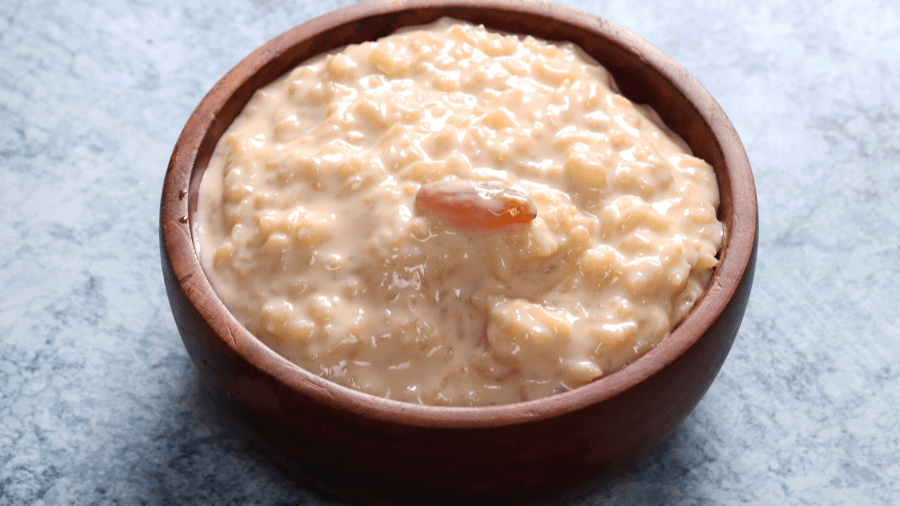
Creamy payesh enriched with the sweet aroma of khejur gur.
A must-have in the winter months is gur or jaggery — be it patali (chunks of solid jaggery) or jhola gur (molten jaggery). Made from the sap of date palm, khejur gur has a sweet aroma. Have it with milk or hot rotis or savour it on its own. In Bengal, gur adds a magical dimension to payesh, pithe, moa and naru. Winter brings with it a wide array of lip-smacking sandesh, rosogolla made with nolen gur. Even Sukumar Ray had once declared that nothing can rival the taste of pauruti aar jhola gur (bread dipped in molten jaggery).


