
A joint initiative by



 Published on 2026-07-03Updated on 2026-07-03
Baluchari, muslin, nakshi kantha, Sunderbans honey and many more unique treasures of Bengal have over the years earned the coveted Geographical Indication (GI) tag. From melt-in-the-mouth sweets to centuries-old crafts, Bengal’s GI portfolio is a living archive of heritage.
Twenty-three additional products, spanning sweets, handcrafted goods and fresh produce, have recently received the GI tag, a mark that safeguards products intrinsically linked to their region of origin and the communities that create them.
Here is a look at some of Bengal’s new GI-tagged gems:
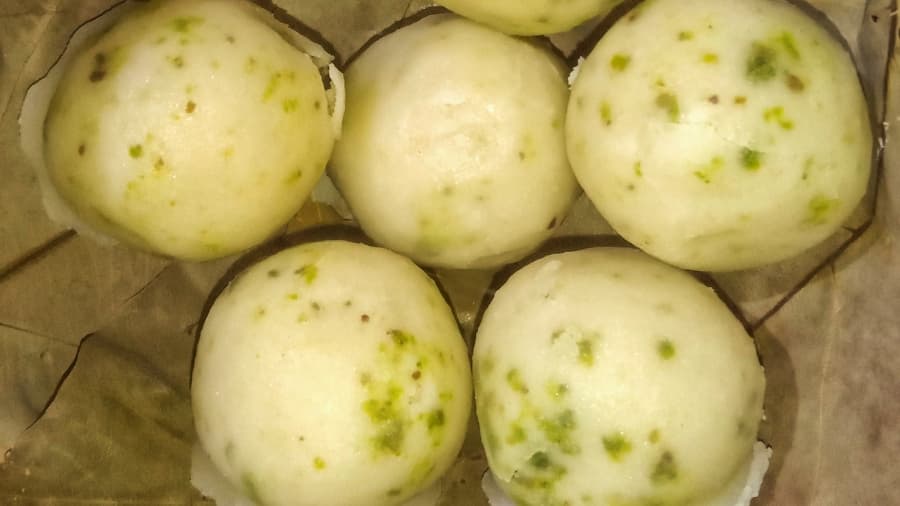
This sweet from a small village in Hooghly district dates back to the time of the British Raj. Literally translated, its name means “one that steals the heart” and anyone who has tasted Monohora from Janai is likely to agree with the aptness of the title. A soft chhana ball (norom paak sandesh) infused with the aroma of small cardamom encased in a hard sugar coating makes this a melt-in-the-mouth treat. The crunchy sugar exterior enhances the shelf value of the sweet. In winter, a jaggery coating may sometimes replace the sugar one.
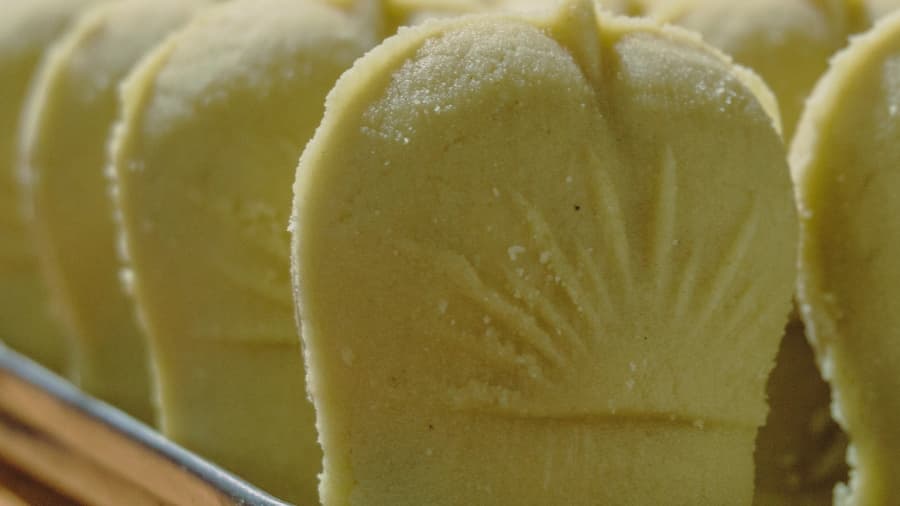
One of the most popular sweets from Bengal, its hidden liquid core hits the sweet spot. It is this unique feature that earns the sweet its name, which literally means “filled with water”. The sweet is made of chhana (cottage cheese) and the liquid inside is nolen gur (date palm jaggery). It's a delicacy of the winter months as that is when the date palm sap is collected and made into jaggery. Chandannagar in Hooghly district of Bengal is the birthplace of this sandesh.
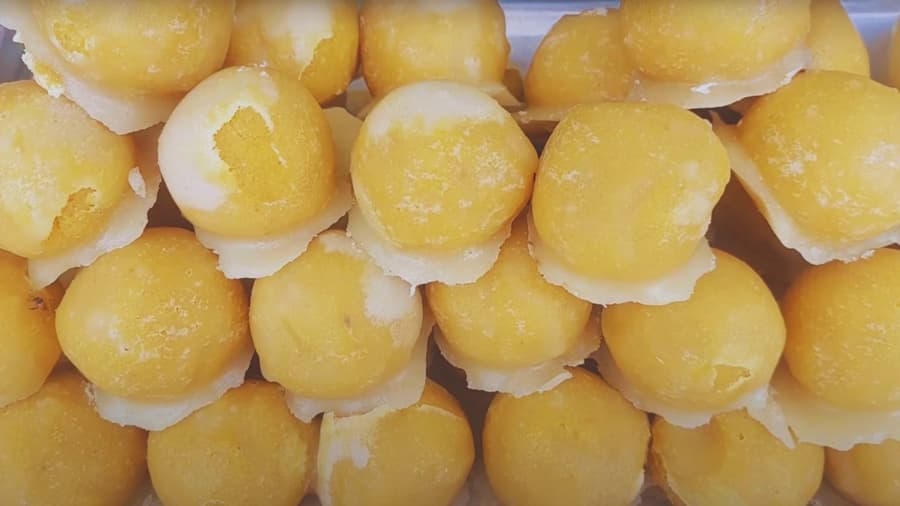
The century-old sweet is made out of gram flour, kheer and ghee. It has a unique fudge-like crumbly texture. Unlike other popular sweets of Bengal, which are mostly made out of milk and chhana, Mecha Sandesh is an exception. Beliatore of Bankura district in Bengal is popular for this sweet.
Other GI-tagged sweets from Bengal: Nolen Gur Sandesh, Banglar Rasogolla, Bardhaman Mihidana, Bardhaman Sitabhog, Bishnupur Motichur Laddu, Joynagar Moa, Kamarpukur Sada Bode, Murshidabad Chhanabora
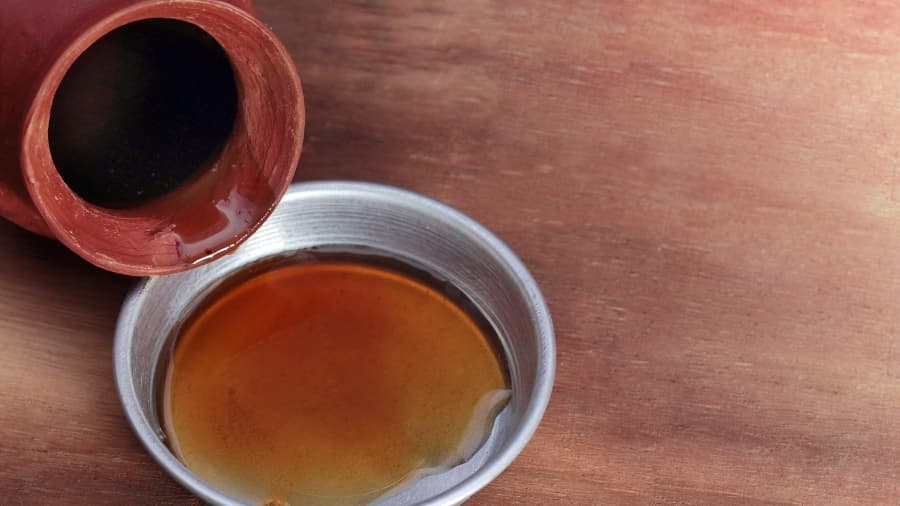
While Nolen Gurer Sandesh had already found pride of place on the list of GI-tagged products, among the recent additions is nolen gur (liquid date palm jaggery) itself. The winter delicacy, considered liquid gold by sweetmakers and connoisseurs, is produced across Bengal in Nadia, Joynagar, Bankura, Murshidabad, Sunderbans and Birbhum and relished by one and all.
Also on the GI tags list: Sunderbans honey
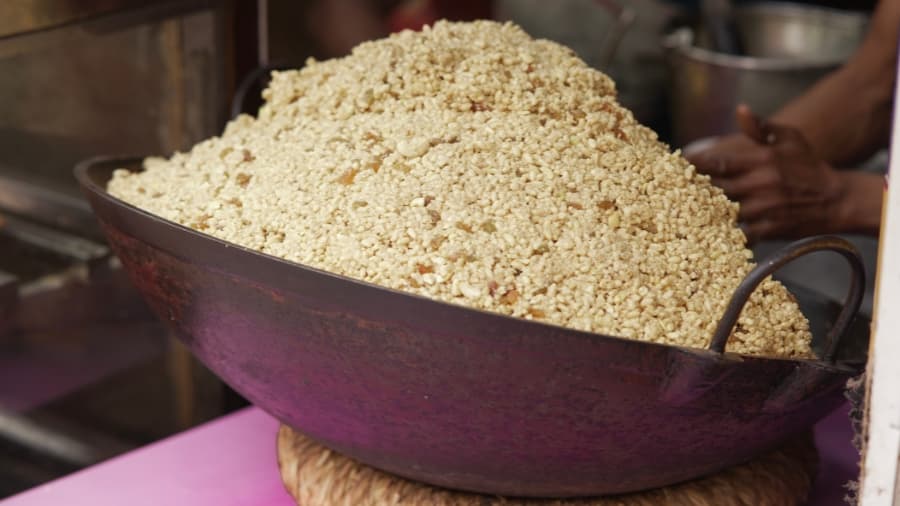
Khoi or popped rice is made by roasting unhusked rice grains in hot sand. Kanakchur Khoi is a special aromatic variety of popped rice made from kanakchur dhaan (paddy). The winter delicacy of Bengal, Joynagarer Moa — already on the GI tags list — is made with Kanakchur Khoi. This variety of khoi is found in the South 24-Parganas district of Bengal, mainly in Baharu and Joynagar.
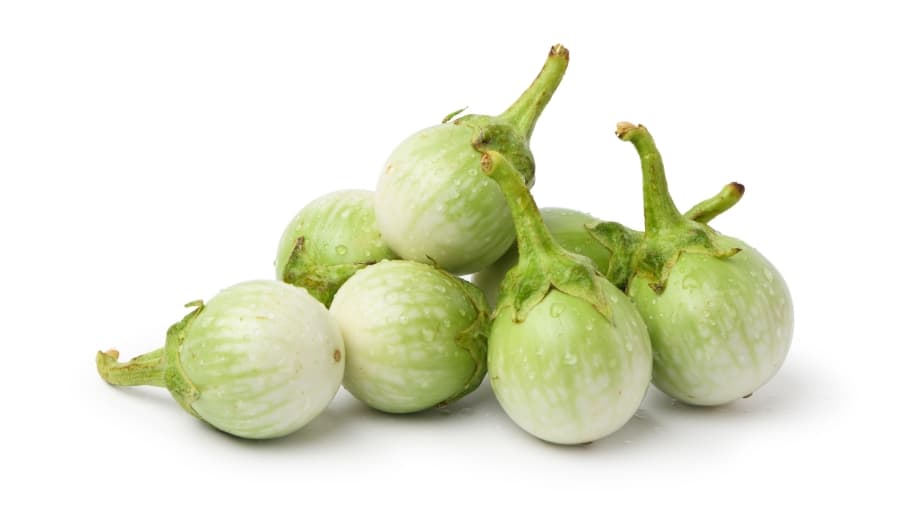
Cultivated widely in the Chanchal subdivision of Malda, West Bengal, this variety of brinjal is round, light green with streaks. It is popular for its distinct taste, soft texture and almost seedless character. Perfect for the much-loved begun bhaja (fried brinjal).
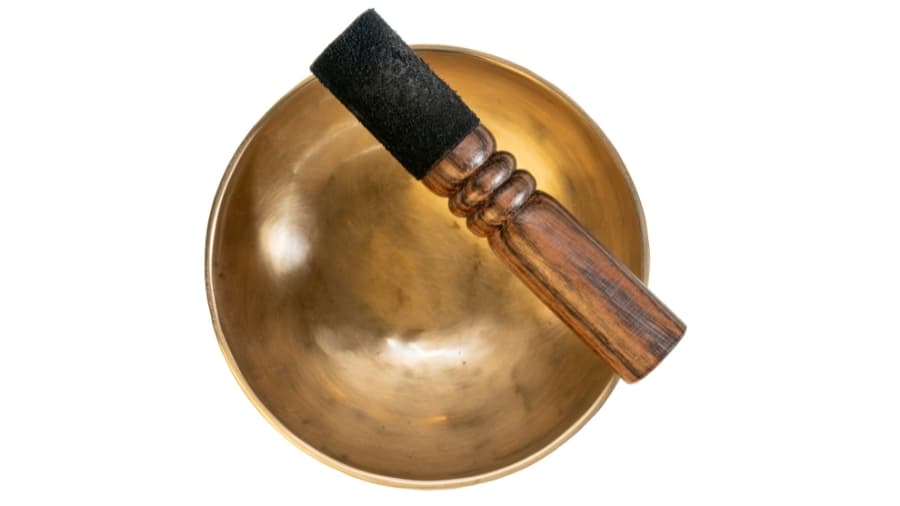
Handcrafted in Pukhuria village in Simlapal block of Bankura district, these unique singing bowls are made of kansa (bell metal — a unique alloy of tin and copper) and available in varying sizes and weights. These are widely used for meditation and music therapy. They are prized for their rich acoustic resonance.
Balagarh, a riverine town in the Chinsurah subdivision of Hooghly district, is popular for its indigenous boats. The unique boat-making craftsmanship dating back to more than 500 years ago began with dinghy (small boats) and moved on to larger vessels. The boat-makers continue to use hammer and chisel to give shape to wooden planks.
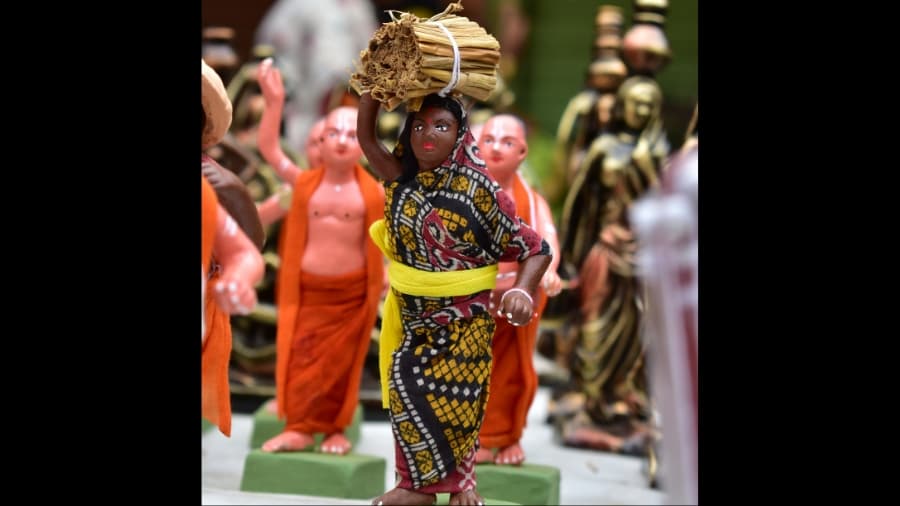
This indigenous sustainable art form of Purulia has a long tradition. Natural resin produced by Kerria lacca insects is used to make handcrafted jewellery such as colourful bangles, jewellery boxes and decorative figurines.
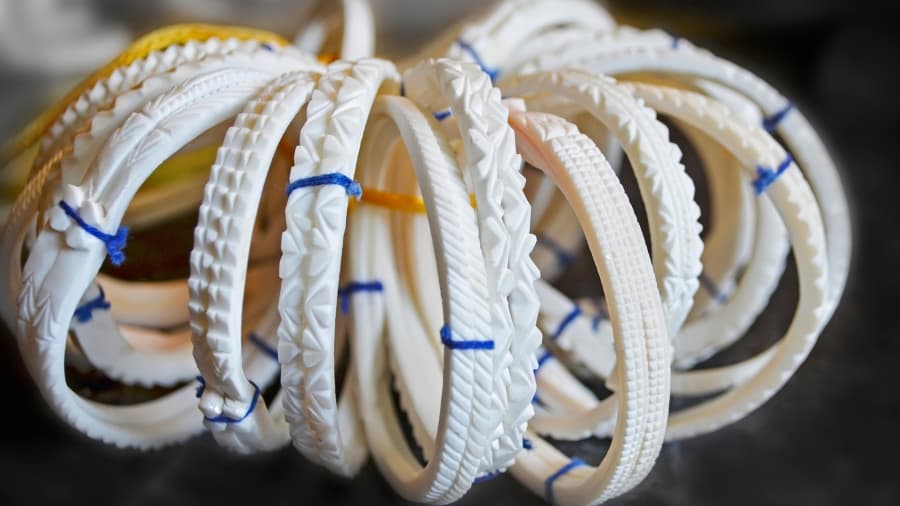
Conch shell is popular in Bengal not only for shankhadhwani (blowing of the conchshell) that is an integral part of every auspicious occasion from pujas to weddings but also for the intricate items carved out of them. Hatagram, a village in Bankura, is famed for conchshell handicrafts — shankha (the white bangles worn by many women as a sign of marriage) and also a variety of other items such as jewellery and sculptures — with intricate engravings.
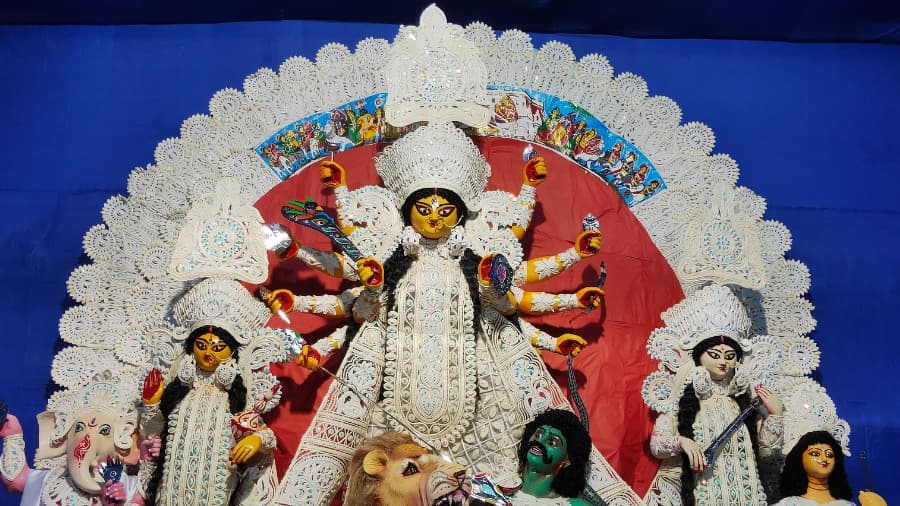
Sholapith craft, popularly known as “‘herbal ivory” because of its pristine white colour and resemblance to ivory, is most commonly seen as sholar shaaj on idols of goddess Durga and during weddings as the ceremonial headgear for the bride (mukut) and groom (topor). The soft milky-white spongy core of the shola plant is moulded and skillfully carved to make decorative and ceremonial artefacts, too. The Malakars of Bengal are known to be skilled in shola craft found in different parts of Bengal like Khagra, Berhampore in Murshidabad district, Bankapasi in Burdwan, Gopalnagar and parts of Sunderbans in South 24-Parganas, and in Nadia, Malda, Hooghly and Birbhum district.
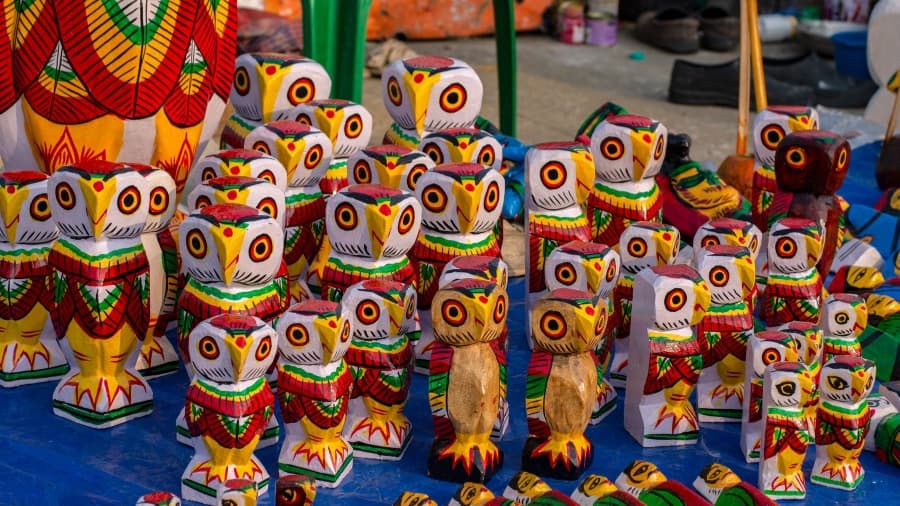
Natungram in East Burdwan is known for its colourful dolls. The handcrafted figures of folk and mythological characters are chiselled out of a single block of wood. The wooden owl and Gour Nitai are among the most popular.
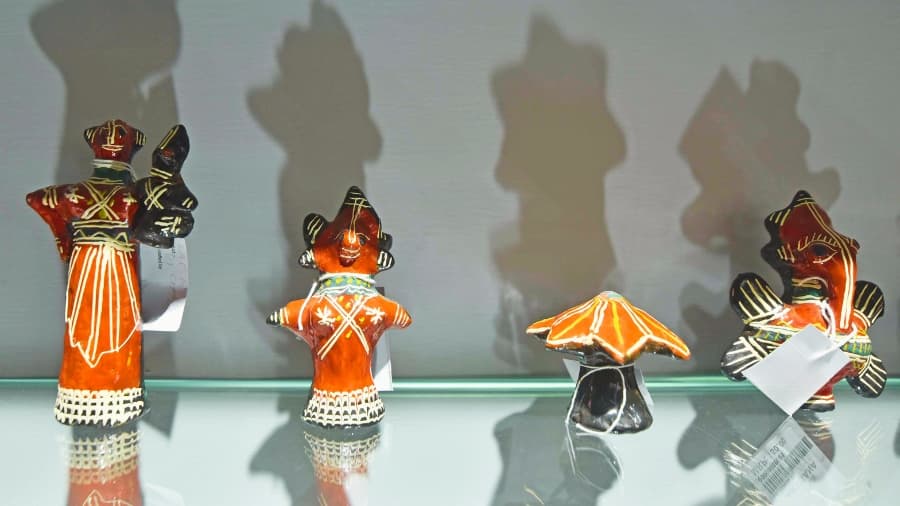
Krishnanagar in Nadia district of West Bengal is the homeland of clay dolls. Made with etel mati (deltaic soil), these handcrafted dolls date back to the times of Maharaja Krishnachandra during the 18th century. Ghurni region of Krishnanagar is the artisan hub of clay dolls. The region is popular for lifelike, miniature, highly detailed clay dolls.
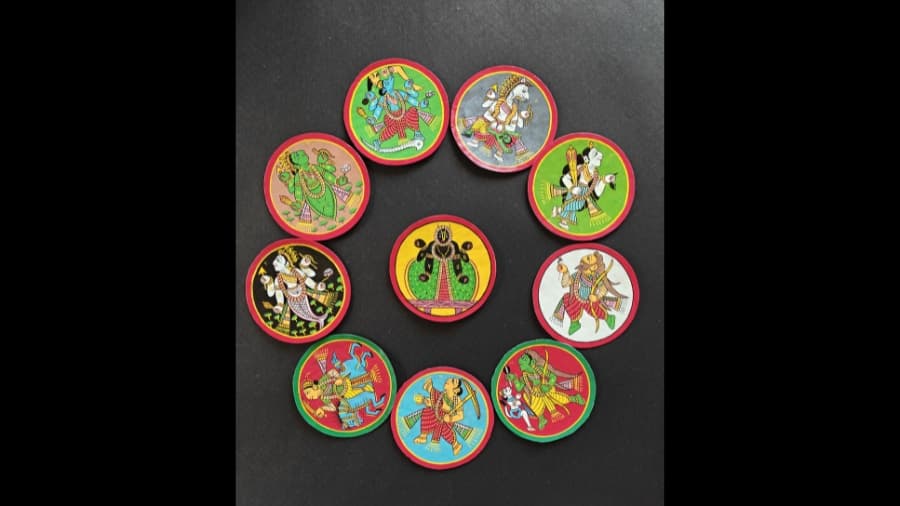
These handcrafted playing cards from Bishnupur in Bankura district of West Bengal are based on the 10 incarnations of Lord Vishnu (hence the name). These cards date back to the time of Malla dynasty in Bishnupur and are currently made only by the Foujdar
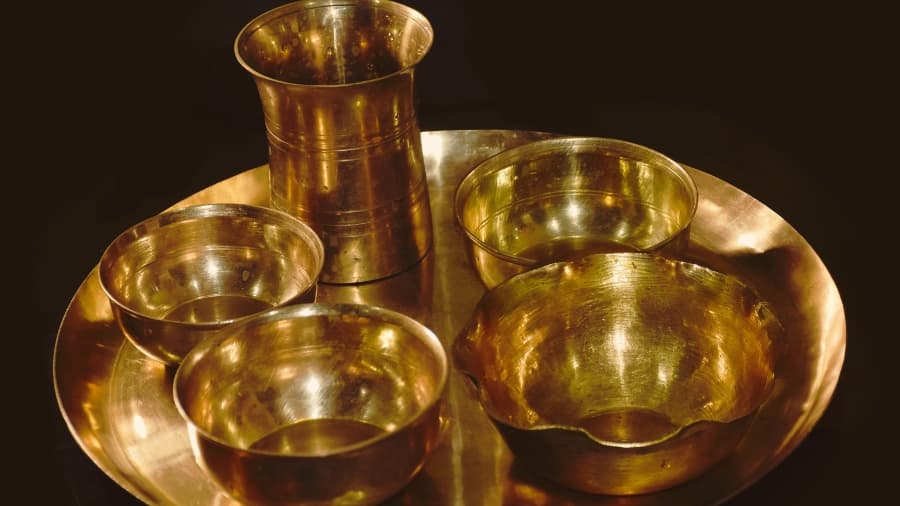
Khagra in Behrampore, Murshidabad, is famous for its brass (pital) and bell metal (kansa) utensils. The centuries-old craft is known for its highly durable and handmade cookware, serve ware and decorative items. Kansa and pital utensils are used for puja as well. The handcrafted items are high on sheen.
This refers to the handcrafted jewellery of Bengal renowned for its intricate filigree work (lace -like twisted gold threads), wax-filling techniques and detailed floral or paisley motifs.
Other GI-tagged arts and crafts from Bengal: Bankura Panchmura Terracotta Craft, Bengal Dokra, Purulia Chhau Mask, Wooden Mask of Kushmandi, Bengal Patachitra
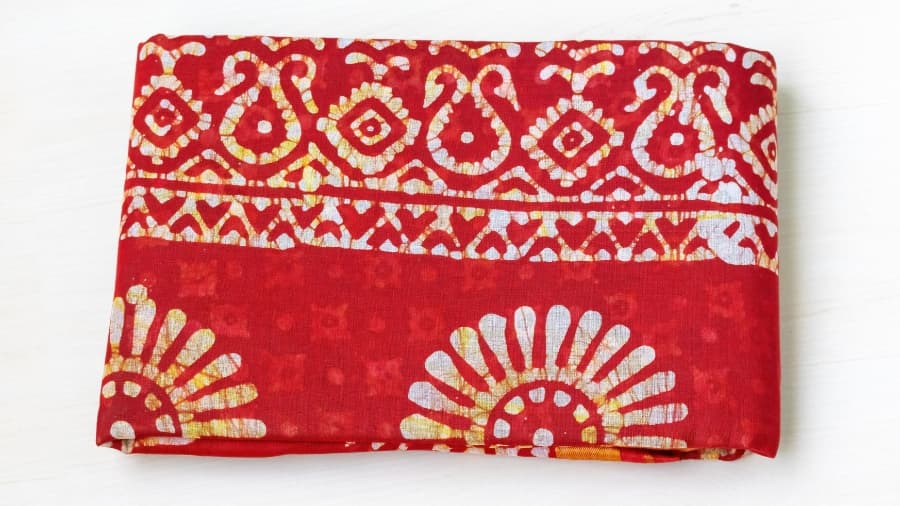
The art form introduced by Rabindranath Tagore in Santiniketan is one of the most coveted Indian textile crafts. Inspired by traditional Indonesian wax-resist dyeing technique, it has its distinct Bengali identity. Alpona (floor painting) motifs and the brush painting method adds to its uniqueness. Batik is a popular art form of Santiniketan in Birbhum district of Bengal.
Found in Murshidabad district of West Bengal, this variety of mulberry silk is popular for its lightweight and soft texture.This historically rich fabric dates back to the 13th century.
These cotton saris are known for their vibrant contracting borders. The traditional geometric or floral motifs, serrated edges on the pallu have made the sari popular.
Other Bengal textiles with GI tag: Malda Nistari silk yarn, Baluchari sari, Banglar Muslin, Dhaniakhali sari, Garad sari, Korial sari, Santipur sari, Tangail sari of Bengal
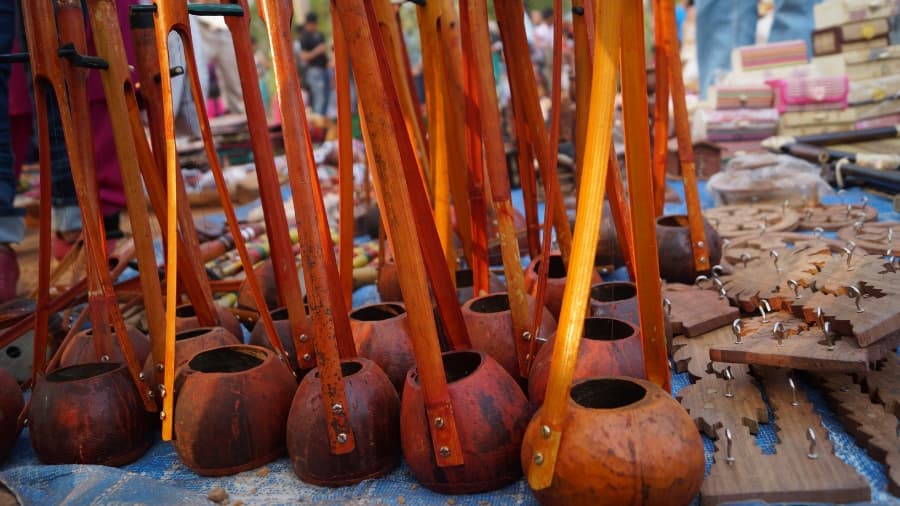
The traditional single-stringed instrument of Santiniketan in BIrbhum and used by traditional musicians of Bengal, especially bauls and fakirs (wandering minstrels) give rhythm and harmonic base to folk music.
Other Santiniketan treasures with GI tag: Santiniketan Leather Goods, Nakshi Kantha
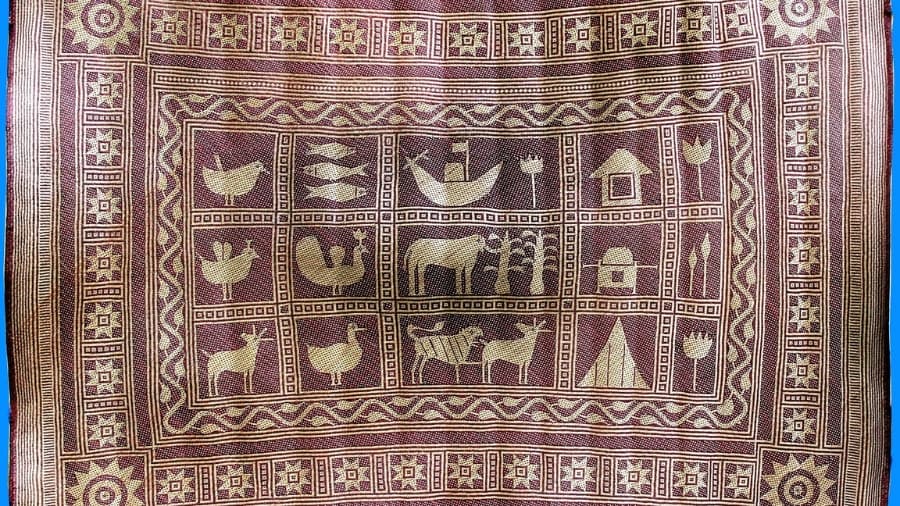
Famous for its cooling properties, Sitalpati is handwoven mat crafted from fine, split stems of the murta plant. It is widely used for sitting, sleeping and resting on sultry days. The smooth, moisture- wicking properties of the murta cane helps keep the mats cool. Sitalpati is mainly available in Cooch Behar district of West Bengal.
Sabai is a kind of grass known for its tough texture. This natural fibre is used to make decorative items such as lampshades and utility items such as mats, baskets, trays and bags. The Sabai handicraft industry has developed around the forest fringe uplands of West Midnapore, Jhargram and Purulia districts of West Bengal.
Other grass and reed weaves with GI tag: Madurkathi of Bengal received the GI tag earlier.
Sabai is a kind of grass known for its tough texture. This natural fibre is used to make decorative items such as lampshades and utility items such as mats, baskets, trays and bags. The Sabai handicraft industry has developed around the forest fringe uplands of West Midnapore, Jhargram and Purulia districts of West Bengal.
Other grass and reed weaves with GI tag: Madurkathi of Bengal received the GI tag earlier.


