
A joint initiative by



 Published on 2026-09-23Updated on 2026-09-23
Bengali cuisine is often reduced to a familiar constellation of maachh, bhaat, shorshe, posto and mishti. But the culinary culture of Bengal has always been far more expansive. Shaped by the fertile Ganga-Brahmaputra delta, its rivers, forests and agricultural abundance, Bengali cooking has been influenced by migration, trade, religion, colonial encounters and, above all, the everyday ingenuity of home kitchens. The cuisine has continually absorbed new ideas while remaining rooted in local ingredients and distinctive flavours. Today, this spirit of culinary evolution is finding new expression as beloved classics are being adapted through global formats and unexpected flavour pairings.
Bengali food has never existed in isolation. Portuguese, British and other European influences have entered its culinary vocabulary over the centuries, while the migration of Bengalis across the subcontinent and beyond has continually given rise to new food traditions. That spirit of exchange continues today. Take the Dak Bungalow Chicken, which is reimagined through the structure of Japanese oyakodon: steamed Kanakchur rice is paired with chicken, a soy-cured egg yolk and Himalayan fermented greens, bringing together elements from two distinct culinary traditions.
Where earlier generations of Bengali fine dining focused on formalising and refining the classics, today’s chefs are reimagining how those dishes are prepared. Sous-vide and air-frying sit alongside techniques such as fermentation, emulsification and reduction, bringing new textures and dimensions to familiar flavours. Desserts, too, are evolving, with lighter, lower-sugar creations that often rely on natural sweeteners.
A smoked hilsa, carefully deboned for easier eating, is one example of how technique can change the experience without abandoning the ingredient. Presentation has shifted, too: minimalist plating, terracotta and handcrafted ceramic serveware, edible flowers, and mustard oil reductions are slowly replacing the generous, family-style platter as the default visual language of Bengali fine dining.

Kosha mangsho slider
In Bengali households, Kosha Mangsho carries considerable emotional weight and is often reserved for Sunday lunches and celebrations. Known for its deep colour, concentrated gravy and layers of spice, it is now moving beyond the traditional Bengali meal and into contemporary formats. One interpretation turns it into a Kosha Mangsho Slider, tucking rich, tender mutton into a toasted brioche bun and transforming a leisurely family favourite into a handheld bite. Another pairs the same robust filling with the soft, pillowy texture of a bao, creating a Mutton Kosha Bao that marries Bengali flavours with the delicate character of an East Asian staple.
Chicken gets a similar street-food makeover with the Kolkata Chilli Chicken Bao. The punchy Indo-Chinese flavours of Kolkata’s chilli chicken, itself born of migration and cross-cultural exchange, are tucked into a steamed bao with an Asian slaw, layering one hybrid culinary tradition onto another.
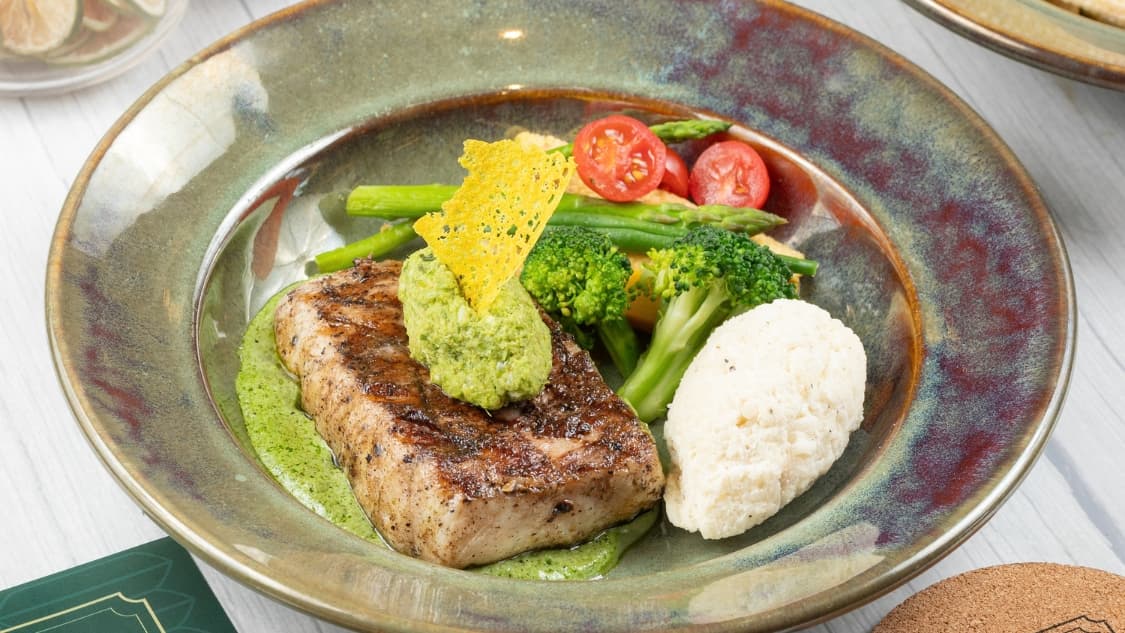
Grilled Bhetki, Panta Bhaat Mousse, Sim Bhaate, Gondhoraj
Some of the most interesting reinterpretations of Bengali cuisines are happening far from the obvious classics. They focus on everyday preparations that have always been part of Bengali food culture, but are now being looked at through a different lens.
One of the more thoughtful examples is Panta Bhaat Mousse, Sim Bhaate, Gondhoraj, which takes panta bhaat, the fermented rice traditionally eaten by farmers and labourers during the summer months for its cooling and refreshing qualities, and gives it an entirely new texture. The mousse is served with sim bhaate, a flat bean mash, grilled seasonal vegetables, a Gondhoraj lemon pesto and thankuni pata, or pennywort, a herb valued in Bengali households for its digestive properties. Once considered a humble, frugal food, today panta bhaat is recast as a composed innovative dish.
Chitol Muitha Sriracha takes another Bengali classic in a new direction. Traditionally made with minced chitol, muitha are shaped fish balls that are steamed before being cooked in a gravy. In its current interpretation, the steamed fish balls are wok-tossed with ginger, garlic, onion and Sriracha, bringing heat and acidity into an unmistakably Bengali dish.
That same instinct extends to the Bengali street-food repertoire. Jhalmuri is reworked with quinoa and avocado, while phuchkas are filled with avocado thecha and served with berry-infused water. A familiar chochhori is reconstructed using vegetables such as zucchini, broccoli and even broccoli stems, ingredients that would have been unfamiliar to Bengal's kitchens a century ago.
Desserts, too, are part of this culinary reimagining. Nolen gur remains inseparable from winter, but its deep caramel notes are no longer confined to sandesh, payesh and other traditional sweets. They now appear in panna cotta, caramel custard and crumble, while mishti doi is being smoked or reworked into new-age plated desserts. A Mishti Doi Crème Brûlée, for instance, brings the caramelised crust of the French classic together with the tangy, fermented sweetness of Bengal’s beloved dessert. Tal gur finds a similar expression in crème caramel.
Turmeric and milk, ingredients long associated with Bengali home remedies, are transformed into a semifreddo with black pepper and toasted coconut. Gulab jamun meets cheesecake, while familiar Bengali flavours are being reinterpreted through mousses, espuma and other western pastry techniques. Even kaancha lonka (green chilli), one of the most recognisable flavours of the Bengali kitchen, is finding an unexpected expression as ice cream. The fact that the flavour remains familiar even when the form changes is one reason why these combinations work.
Perhaps nothing captures this reinvention quite like what's happening to the humble rosogolla. Long considered untouchable, the crown jewel of the Bengali mishti tray, it's now being pulled firmly into savoury territory. Rosogolla 65 takes the soft, spongy cheese balls and tosses them in a spicy, tangy 65-style sauce loaded with aromatic Indian spices, turning a dessert into a snack. Taking things further is Chicken Baked Rosogolla. Here, Bengal's beloved rosogolla is paired with chicken au gratin, creating a non-sweet preparation in which the familiar texture of the sweet is placed in an entirely different culinary context. Served with garlic bread, it sits somewhere between comfort food and culinary experiment.
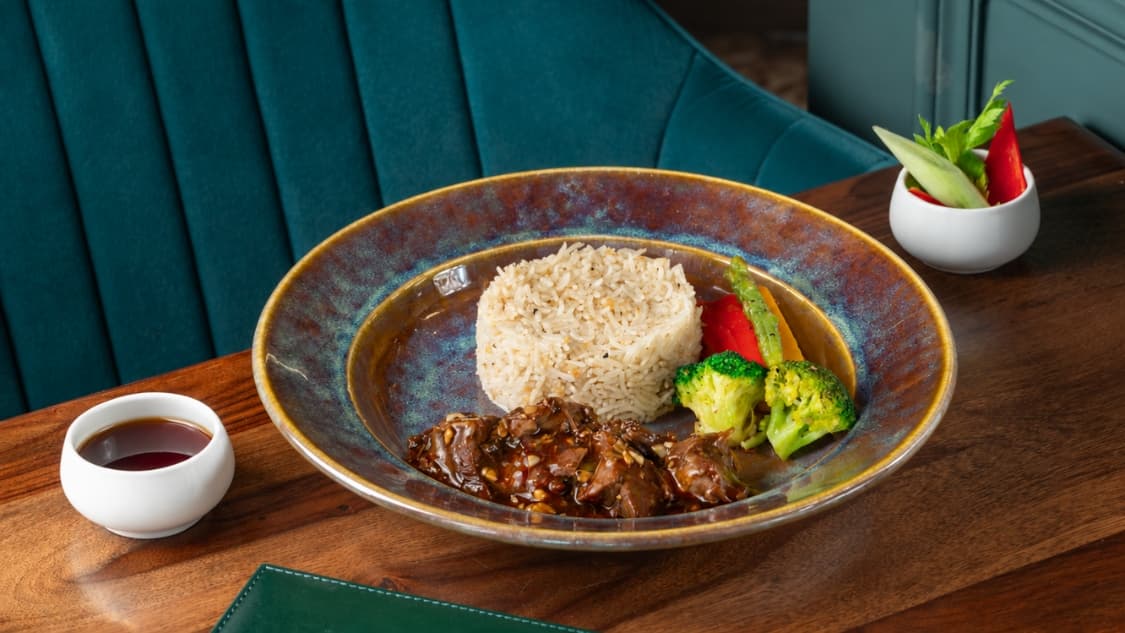
Slided Mutton in Nolen Gur and Rum
The evolution of Bengali cuisine is so compelling because it is not really a break with the past. A Kosha Mangsho Slider, Rosogolla 66 or Mishti Doi Crème Brûlée may look very different from the dishes that inspired them, but beneath these changes remain the instincts that have shaped Bengal’s food for generations: a respect for seasonality, an affection for local produce, a resourcefulness with humble ingredients and a willingness to absorb influences from elsewhere. Its future, much like its past, lies in the balance between what is remembered and what is yet to be imagined.
To taste some of these or other Bengali dishes with a twist, check out Tastefully Yours. (https://soulfulbengal.com/experiences/tastefully-yours-unique-food-festival-spread-across-kolkata)


