
A joint initiative by



 Published on 2026-10-08Updated on 2026-10-08
Every year, for five days, Bengal witnesses a magical transformation, as the everyday rhythms of life are suspended and the city of Kolkata transforms into a massive celebration of art, devotion, food, fashion, music and community. As streets turn into open-air galleries and the sound of the dhaak fills the air, Durga Puja offers experiences both grand and intimate, with an infectious spirit that brings everyone together. Here are some of the quintessential experiences that capture the many moods of Durga Puja in Bengal.
For many Bengalis, Puja begins before the festivities officially start. Wake up before dawn on Mahalaya to the unmistakable voice of Birendra Krishna Bhadra's Mahishasuramardini. A visit to the Ganga ghats for tarpan adds another dimension to the morning, as devotees gather by the river to offer prayers to their ancestors. Mahalaya marks the final day of Pitri Paksha, the fifteen to sixteen-day period in the Hindu calendar dedicated to honouring ancestors through prayers, rituals, and offerings of food and water. The following day marks the beginning of Devi Paksha, the Goddess’s phase, and traditionally signals the onset of Durga Puja and Navratri festivities.
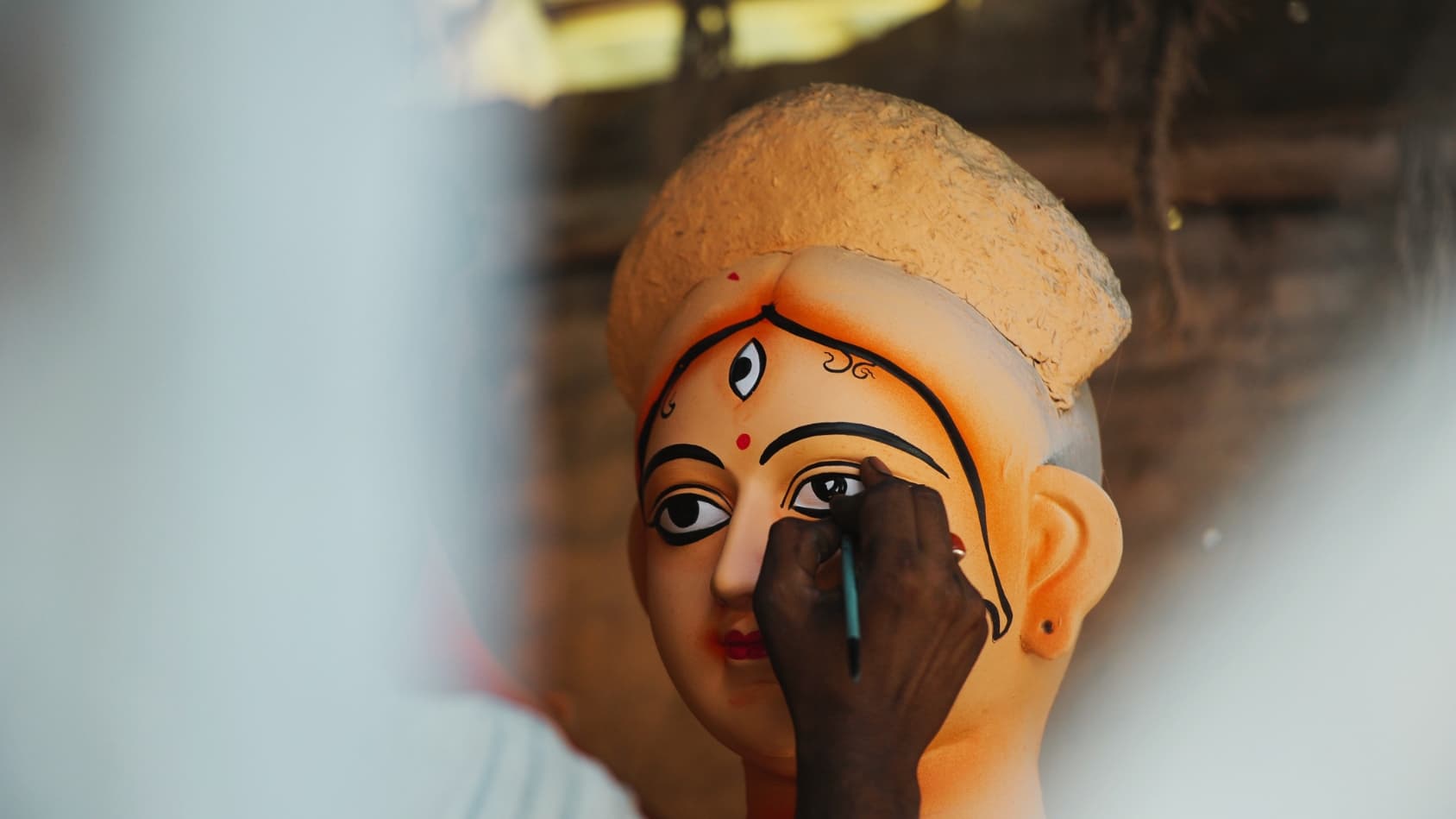
For an even more intimate glimpse into the making of Puja, visit Kumartuli in the days leading up to the start of the five-day worship period. The narrow lanes are filled with artisans giving the finishing touches to clay idols. The traditional chokkhu daan, when the eyes of the Goddess are painted, done on Mahalaya marks a particularly significant moment in the journey towards Puja.
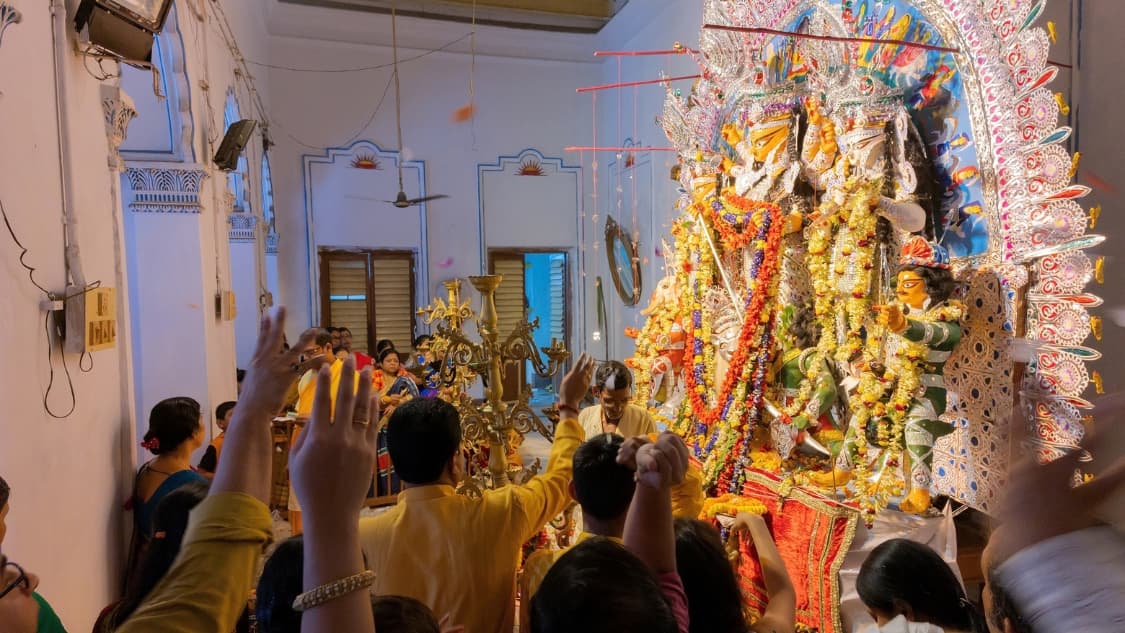
No Puja experience is complete without pandal-hopping. Kolkata's neighbourhoods take on entirely different personalities, with elaborate artistic pavilions sitting alongside traditional pujas that have been celebrated for generations. North Kolkata offers a window into the city's heritage, with places such as Bagbazar and Kumartuli, while South Kolkata is known for its ambitious themes and artistic installations. Remember to wear comfortable shoes, use the Metro wherever possible and, if you want to avoid the biggest crowds, explore early in the morning or the wee hours of the night.
But between the spectacular public pandals, make time for a Bonedi Bari Puja. At old aristocratic family pujas, the scale may be more restrained, but the rituals, architecture and generations of tradition offer a very different experience of Puja.
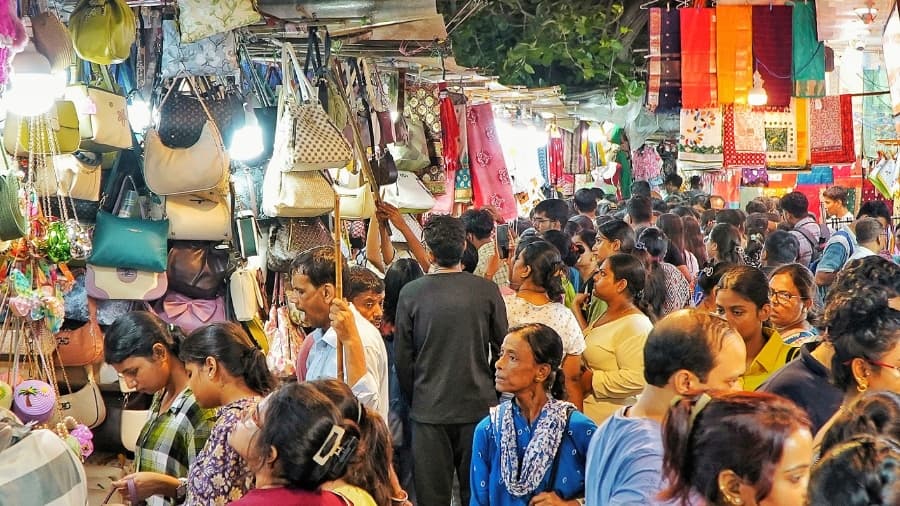
In the days leading up to Durga Puja, the streets of Kolkata come alive as the city prepares for its biggest festival. Wearing new clothes during Puja is a tradition in itself, with families moving from one market to another, deciding what to wear for each day of the festival, sometimes planning up to three outfit changes a day! Hatibagan, Gariahat, New Market and the pavement stalls around Esplanade fill up weeks in advance. Shops stay open late, while tailors are busy with last-minute customisations. From new clothes and footwear to jewellery, accessories and gifts for family and friends, the weeks before Puja turn Kolkata’s markets into a celebration of their own. Expect to bargain and remember to stay hydrated.
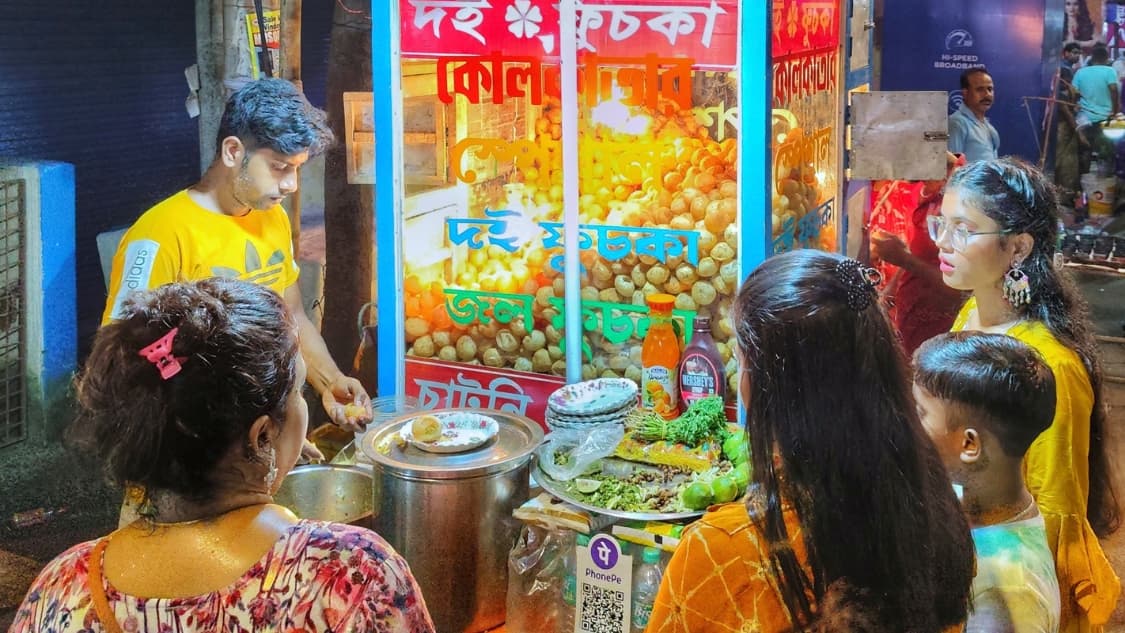
Food is inseparable from the Puja experience. A plate of community bhog is a must, with steaming khichuri, labra, vegetables, chutney and payesh, often served to hundreds at neighbourhood Pujas. Then there is Kolkata’s street food, which becomes an essential part of pandal-hopping. Stop for plates of phuchka, jhalmuri, ghugni, singara or anything your heart desires, as you make your way from one pandal to another. Save room for a sweet finish of rosogolla, sandesh or mishti doi. And when the night stretches into the early hours, pause for a steaming cup of tea served in a clay bhar at a roadside stall, as the city quietens and the crowds begin to thin.
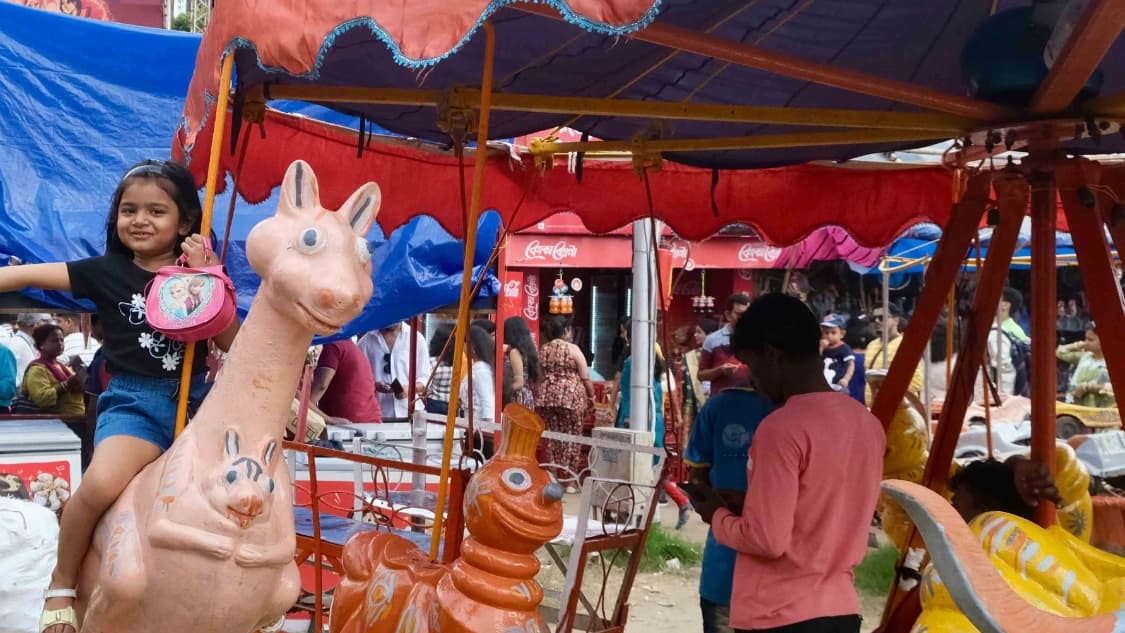
The Puja experience extends beyond the pandal. Many Puja grounds have a small fair next door, bringing together toy stalls, games, food, balloons and rides in a lively carnival-like atmosphere. Try your hand at balloon shooting or ring toss, take a ride on the giant wheel or nagordola, browse the stalls and watch children delight in cotton candy. It is the nostalgic, childlike side of Puja, where families and friends come together to spend an evening enjoying the simple pleasures of the fair.
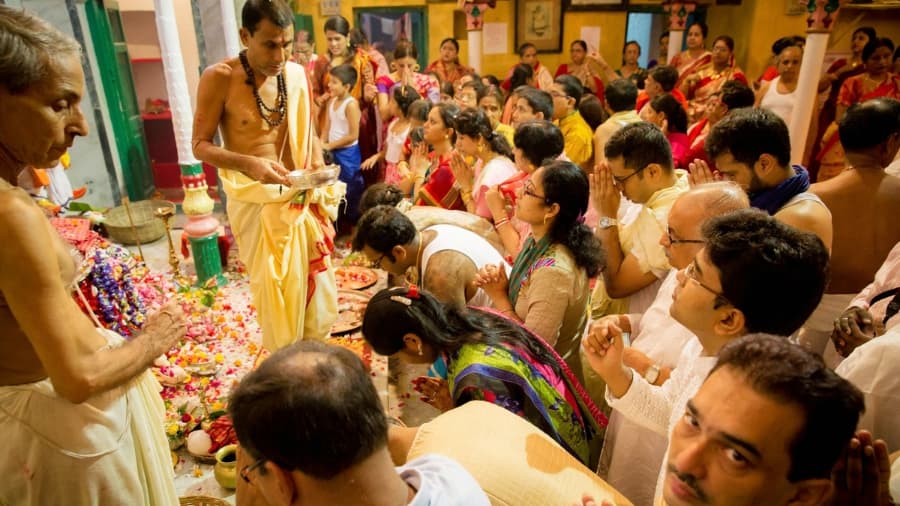
Amid the crowds and spectacle, take time for anjali. On Ashtami morning, devotees gather with flowers in their hands to offer pushpanjali to the Goddess. It is one of the most deeply personal ways to experience Puja.
If possible, witness Sandhi Puja, the ritual marking the transition from Ashtami to Navami. The lighting of 108 lamps and the intensity of the rituals create a striking moment of devotion.
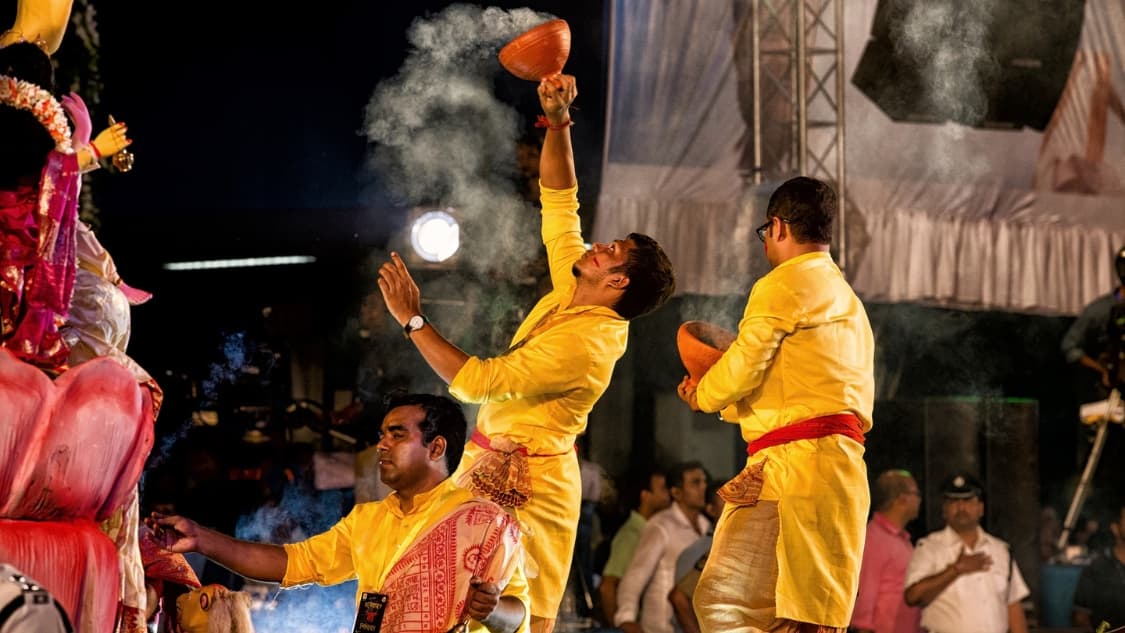
When the drums begin and the incense fills the air, the atmosphere changes. During the evening arati, watch the dhaakis bring the beats alive with a spirited dhaak-er lorai, a playful yet intense exchange of rhythms between drummers. Then, join in the dhunuchi naach, moving to the beat while holding traditional clay incense burners filled with smouldering coconut husk and incense. Some skilled dancers even balance the dhunuchi in their mouths. The pounding dhaak, swirling smoke and energetic dancing come together to create one of the most exhilarating experiences of Bengal's Puja
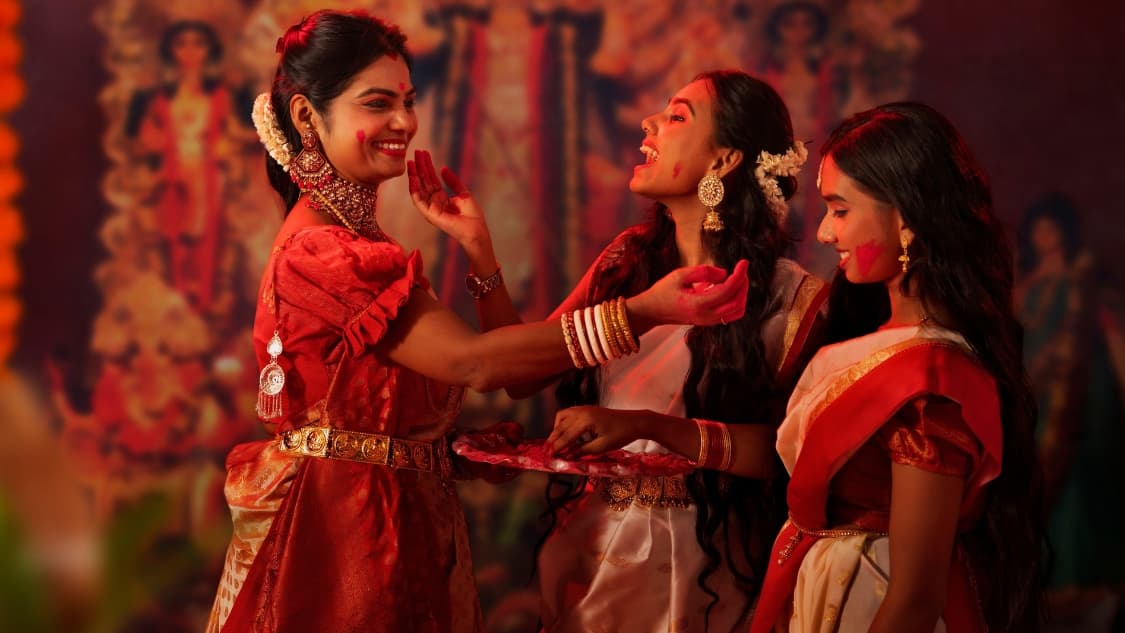
Dashami brings a change in mood. Before the Goddess begins her journey towards immersion, married women participate in sindoor khela, applying vermilion to the Goddess and to one another. Colourful and joyous, the ritual also carries the bittersweet feeling that the festivities are drawing to a close.
Then comes bisarjan. Immersion processions make their way through the city, accompanied by the dhak, dancing and chants, as the idols are carried towards the Hooghly. At the ghats, the mood shifts from celebration to farewell as the Goddess who arrived amid so much anticipation begins her journey home.
But Puja does not end with immersion. Bijoya brings greetings, sweets, embraces and visits to family and elders. Through kolakuli and pronam, shared food and warm wishes, the spirit of Puja lives on, along with the promise to return and celebrate again the following year.


