
A joint initiative by



 Published on 2025-11-20Updated on 2025-11-20
Just 20 minutes from the centre of Kolkata lie the East Kolkata Wetlands (EKW) — the “lungs of Kolkata”.
Spread across 12,500 hectares and recognised as a Ramsar site (wetland of international importance), the East Kolkata Wetlands are a repository of knowledge, especially lessons on sustainability. Guided walks through the wetlands promise to take this knowledge to a wider audience as young members of the community trained as eco-guides lead the trail.
The trails go beyond sightseeing; offering participants an immersive insight into the community, their practices and the environment. It isn’t just about watching the EKW from afar, but engaging with it personally. “You could watch women weave, fishermen catch fish or people tend to their self-sustainable vegetable gardens in their backyards. In winters, you notice the locals making fresh and aromatic nolen gur. You can even buy it directly from the source,” says artist Nobina Gupta, founder-director of Disappearing Dialogues, which organises the walks.
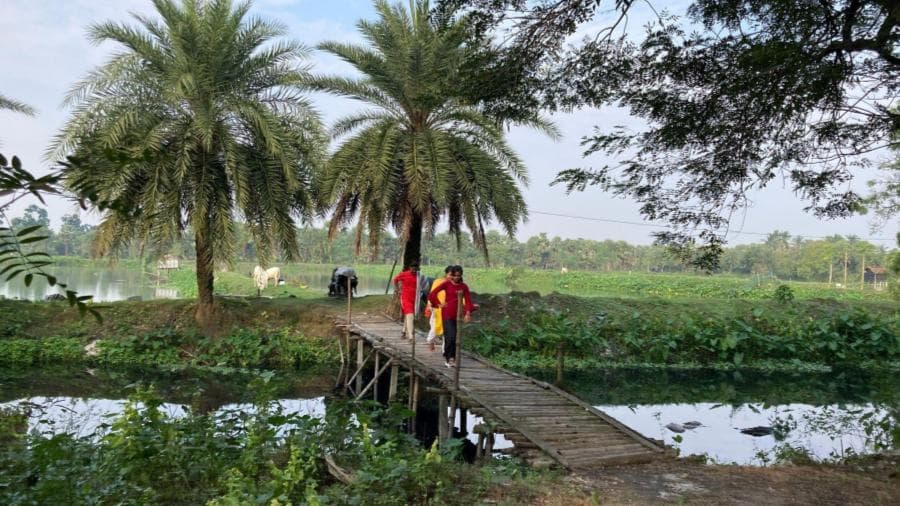
Wetlands trails go beyond sightseeing and offer participants an immersive experience. (Picture by Disappearing Dialogues)
For urban visitors, it is a break from patterned life and a reminder that sustainability can be simple. Walking through the wetlands, one feels a shift in the air. “These huge water bodies hold a lot of carbon in them. Hence, the air you breathe in the wetlands is fresher than the rest of Kolkata,” Gupta said.
The wetlands are not just an ecological wonder, but also a mental and emotional sanctuary. It’s a place where you can spend time in the fresh air, see birds flying and enjoy the sky.
The appeal of EKW extends beyond visitors seeking a green escape, it is a glowing example of how waste can be transformed into life. There is a lot in store for scientists fascinated by its sewage-fed aquaculture and children eager for outdoor discovery.
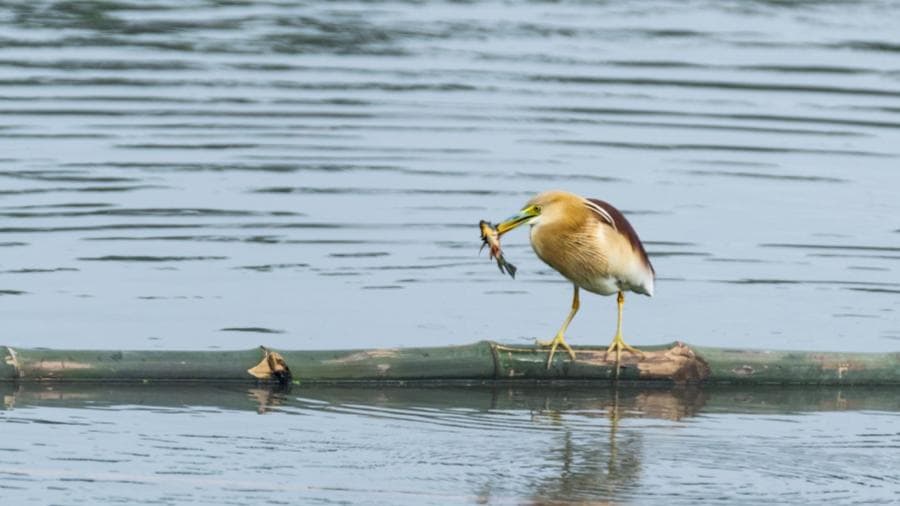
The East Kolkata Wetlands are home to several species of birds. (Picture by Disappearing Dialogues)
The biodiversity makes the wetlands a valued space for learning and Disappearing Dialogues curates its tours according to visitors. “Researchers can witness the waste management system, the lock gates, the symbiotic relationship between algae and bacteria and the biodiversity. Youngsters can take part in eco-games, biodiversity activities, nature journaling, quizzes and wetland labs so they can explore nature hands-on,” Gupta said.
Every visitor would take back these learnings to city life and become more mindful of their surroundings. “If you spot a bird at the EKW, you feel connected when you see it in your own neighbourhood,” she smiles.
Come February and it’s time for the annual Jolabhumi Utsav on World Wetlands Day (February 2), bringing together nature walks, journaling, birdwatching and art originating from the wetlands.
For Kolkata, embracing the wetlands is not just about conservation. It is a haven that sustains the city, its people and its future. The existence of the city hinges upon the flourishing of the wetlands.
If you seek a different kind of winter walk in the lap of nature, a magical world awaits you just a short drive away.

Sprawling lawns or a 250-year-old banyan tree, explore Kolkata’s parks
The music composer looks back on the last leg of his ‘Anantha Yatra’ in Bengal

A refreshing pause from urban life


