
A joint initiative by



 Published on 2025-11-27Updated on 2025-11-27
A Cultural Kichudi
As diverse as Anglo-Indian culture is their food — mixed breeding led to mixed tastes. Hence, both the community and its food are lovingly referred to as a kichudi (kedgeree in old British), which is everyone’s favourite dish. Borrowing cuisine from multiple backgrounds and adding the ‘masala’ gives Anglo-Indian food a separate identity. And because of the varied roots, arguments still continue as to which might be the ‘right' recipe for a dish.
Let’s leave the jury out on that as we explore the hybrid food itself — the past and what is still available in its present form.
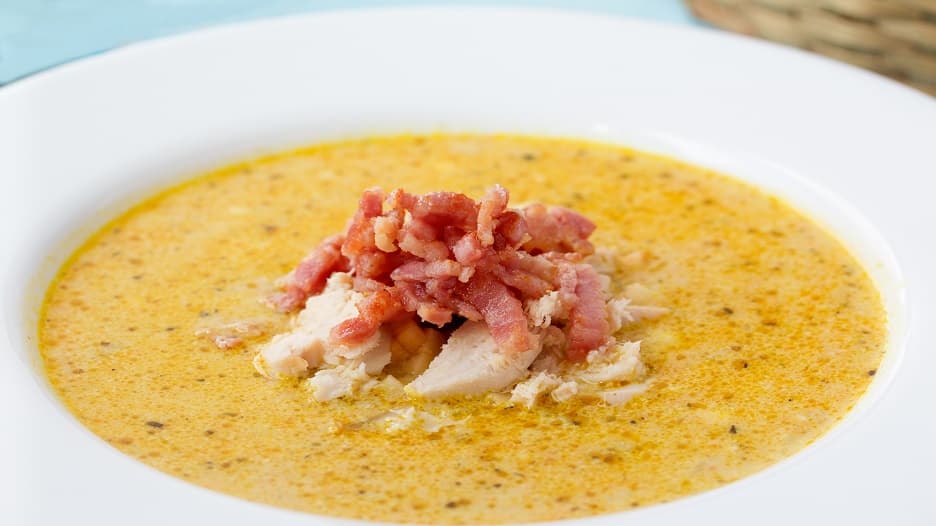
Mulligatawny Soup (Shutterstock)
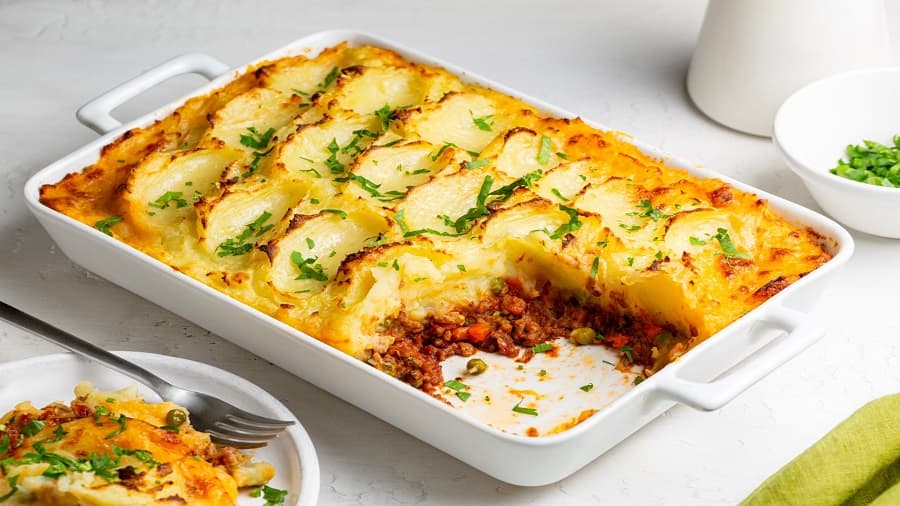
Shepherd's Pie (Shutterstock)
Many Anglo-Indian meals begin with soup, where a cream of tomato soup is replaced with a mulligatawny soup — hot or sour, with or without tamarind — defining the mix of cultures.
Probably the most common item on the Sunday table is still Yellow Rice and Ball Curry. The rice has to be yellow though some people add raisins and cashew nuts with fried onions. A hint of South Indian influence also appears in coconut rice. The Ball Curry, also called Kofta Curry, is a spicy gravy with meatballs, almost exclusively beef — a rare meat in several parts of the country. Then there's beefsteak with sliced onions and potatoes (eaten with a knife and fork), which holds its own alongside the more Indianised Jhal Frazee. The latter may be called by other names such as chilli-fry or pepper-fry (stir-fried meat, potatoes, onions and chillies).
Special meals also include pepper-water, which is similar to rasam and almost all meals include daal (pronounced “doll”), the famous lentil soup devised for the babas, the kids who couldn’t handle the spices. The rice could be Peas Pulao, Junglee Pulao or just plain white rice. Shepherd’s Pie (mutton mince covered with mashed potato and baked) is always a good, safe choice for the babas and the sensitive taste-buds.
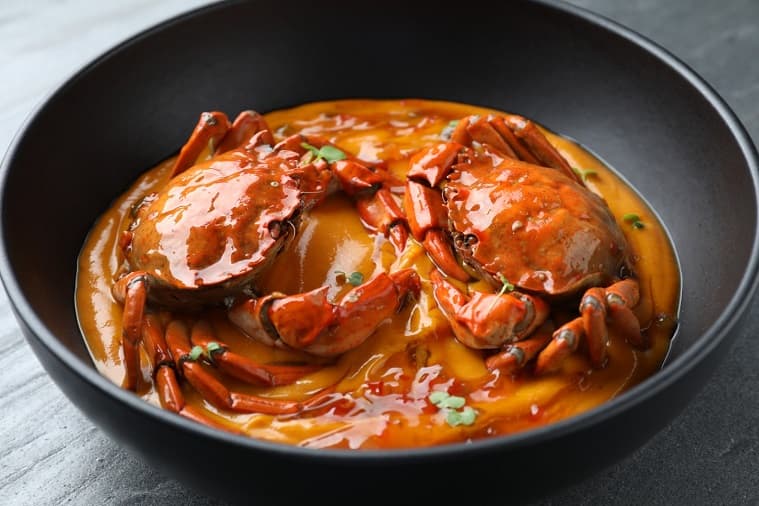
Crab Curry (Shutterstock)
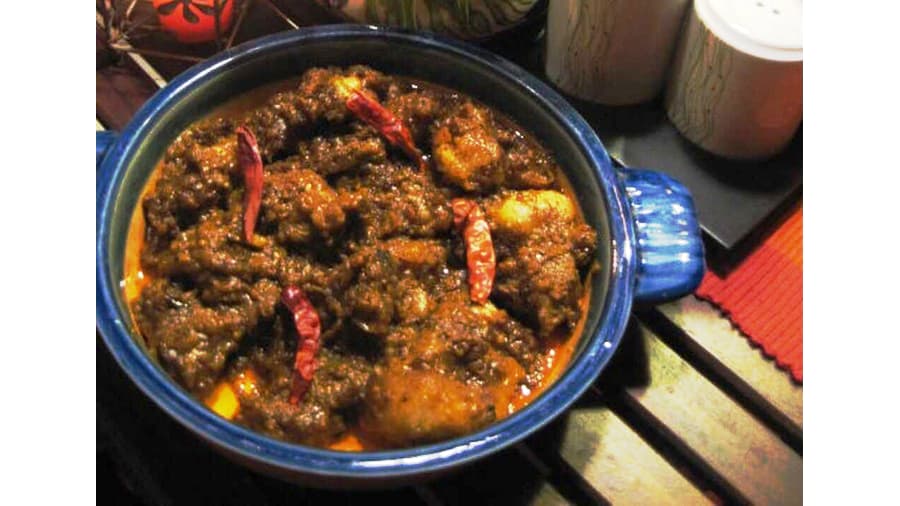
Pork Vindaloo (Picture by Indu72, Wikimedia Commons)
As curries go, there is a vast array to choose from, the most common being Vindaloo which could be pork (as contributed by the Portuguese) or beef or mutton or even chicken. Levels of spice differ as do levels of vinegar, making it an acquired taste for most people. Sausage curry — with sausages carefully stuffed in front of the buyer at Entally, or bought off the shelf at New Market — is another favourite. Spicy pork sausages or bland cocktail sausages are variations to try.
Bringing in the blended flavours of local and foreign are the group of gravy items in which you would find bhuni and korma, the common meats being pork, mutton or chicken. A purely indigenous concoction of disputable descent was named Country Captain and is a chicken curry at its heart. And if you want to roll up your sleeves and spend an afternoon of bliss, you could tuck into a Crab Curry, cracking shells and sucking bones to get the best out of it.
Bone sucking is global and the joy of getting the marrow out of a mutton bone, with a long handled spoon, is unparalleled. But again, Anglo-Indians, being a hybrid group, are quite happy to drop the British Raj implements and tackle food with their bare hands. Or teeth. Which brings us to the Oxtail curry or stew, which you just can't ignore. The whole tail is skinned and cooked slowly, requiring a good set of incisors to rip the meat off the bone! The adventurous might even tackle Trotters — pigs feet, well done.
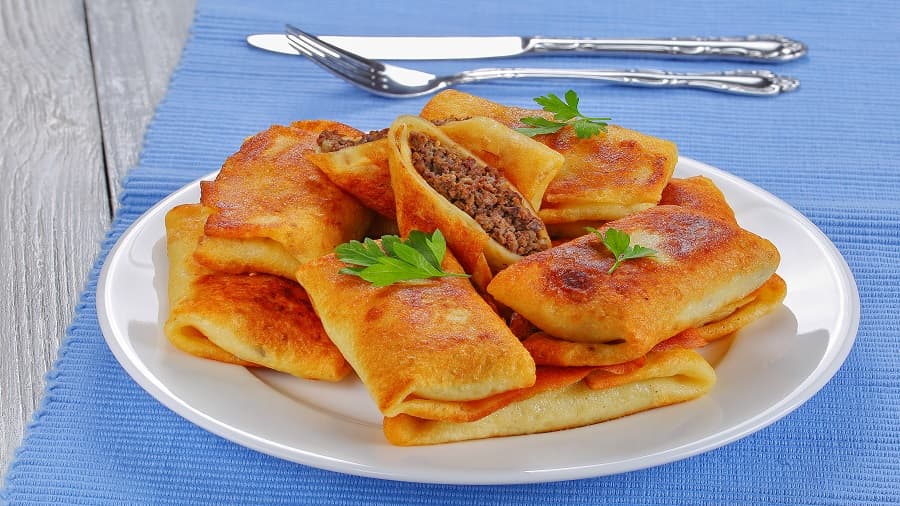
Panthras (Shutterstock)
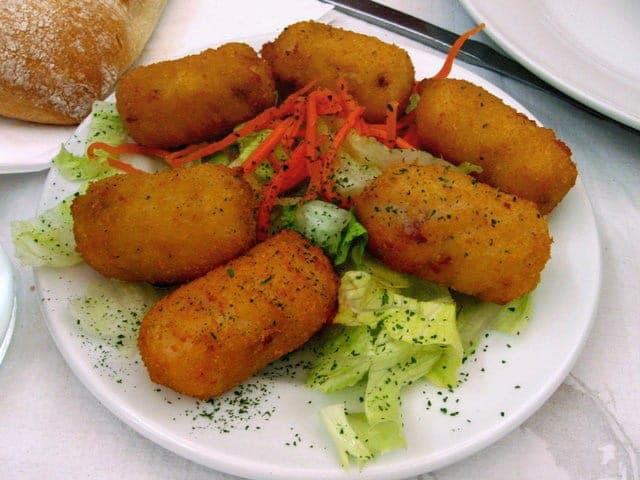
Croquettes (Picture by deramaenrama, Wikimedia Commons)
The in-between snacks, also largely imported from different cultures. The list includes panthras (crepes with meat filling), potato chops (minced meat encased in mashed potato and crumb fried), croquettes (dainty cutlets of minced meat, crumb fried) and other baked savouries such as beef or mutton patties and curry puffs. For the vegetarians, there’s always Bubble and Squeak (cooked cabbage and potatoes).
Whatever the combination you want, the regular Anglo-Indian will insist on a generous helping of green chillies to crunch along with the food, with tears running down his or her face! Or salt fish for the strong palate. If that’s not enough, there will always be a range of pickles and chutneys from pork or prawn balichao to brinjal, kundru and mango kasundi — all made at home.
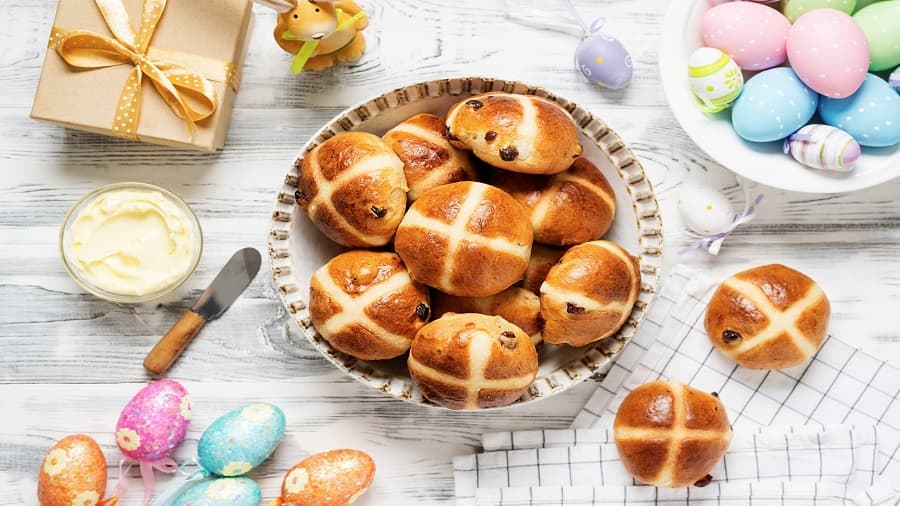
Easter specials include Hot Cross Buns and Easter Eggs. (Shutterstock)
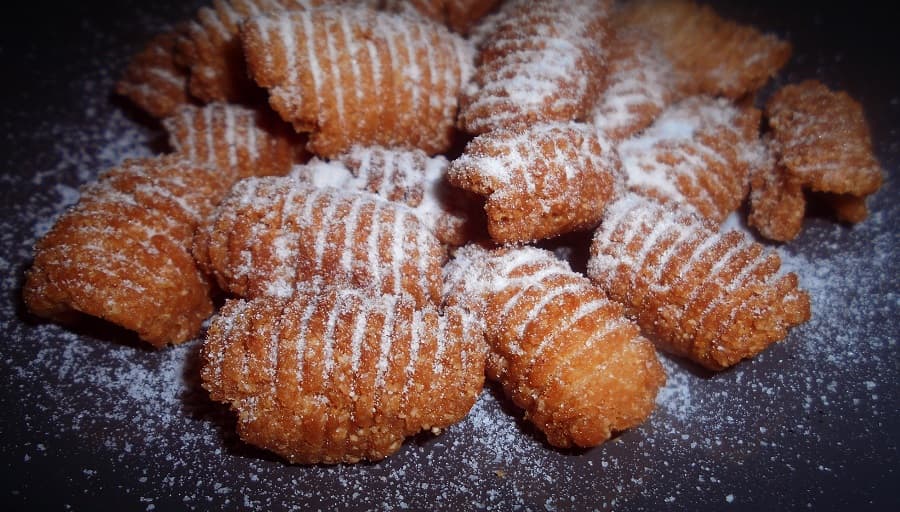
Kulkuls (Shutterstock)
Come Christmas and Anglo-Indian home kitchens keep churning out exciting dishes like the all-time favourite Plum Cake (laced with rum or brandy), Rose Cookies and Kulkuls (maida or sooji in coconut milk and sugar, deep fried) and sweets such as marzipan, fudge, coconut sweets and home-made ginger wines. While the Christmas turkey still appears on a few tables, it’s more common to have specialities made of duck — a roast, a curry. The winter is also the wedding season where the community has great big parties around the wedding cake with its traditional thick almond icing.
In the community, Easter, after a 40-day period of fast, is marked by Hot Cross Buns on Good Friday and Easter Eggs made of marzipan, nougat or solid chocolate on Sunday. The period of Lent has some restrictions on eating meat, so fish, prawns, eggs and vegetables deck the tables on Fridays. Fish Moley (a kind of stew) and Fish Meuniere (derived from the French, fish in butter sauce) jostle for table space with Prawn Bhooni, Devilled Eggs, prawn fritters and all sorts of vegetable chops and salads.
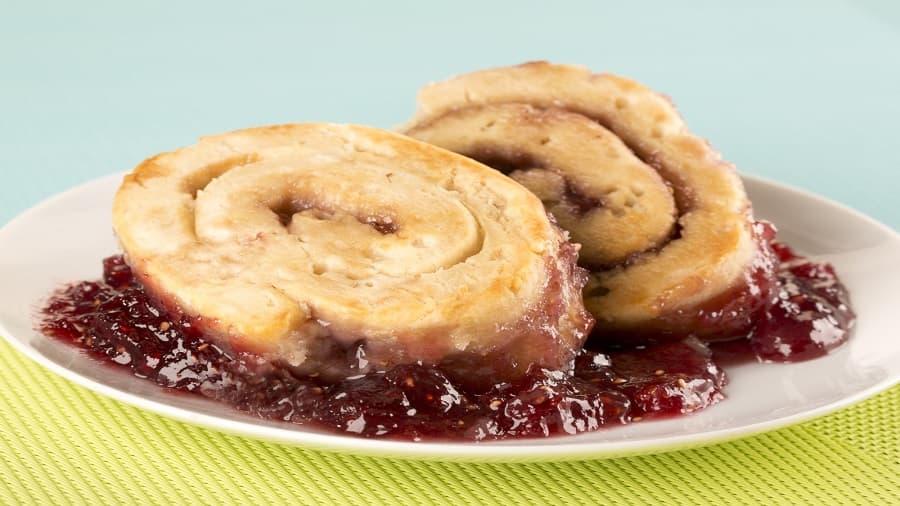
Jam Roly Poly (Shutterstock)
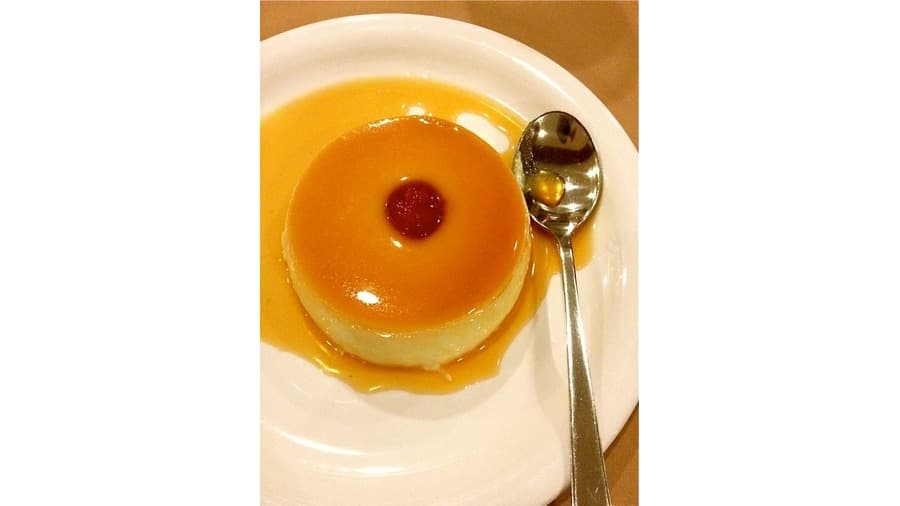
Caramel Custard (Picture by SajjadF, Wikimedia Commons)
Anglo-Indian desserts vary from the ubiquitous caramel custard (now appropriated by almost every restaurant), to the roly-poly (a suet and flour pudding originally formed in a shirt-sleeve). There is also everyday Plantain Fritters (usually made with overripe bananas and flour, deep fried), common Bread Pudding (ageing bread soaked in milk and sugar and cooked to a pudding consistency), jellies, custards and Blancmange (milky dessert with a jelly-like texture), which are often used to round off a great meal.
So where does one get all these goodies? My Anglo-Indian friends are united in their view that authentic food is only available “at home”. But a little deeper dive finds Anglo-Indian kitchens that have sprung up largely during the pandemic lockdown during which home delivery and cloud kitchens ruled the streets. Many of these private kitchens have a regular home supply of one meal a day, usually dinner. Menus cycle through the list of Anglo-Indian dishes with rice or roti to localise the flavour.
You can also find pop-ups at several of the Carnivals organised by social clubs, or by the Anglo-Indian associations. These events encourage families to bring home-cooked food and sell it to the foodies and the gastro-curious. Spoiler Alert: Skip breakfast that day!
As far as restaurants and eateries go, there are possibly none that offer exclusively Anglo-Indian food. This is largely due to the “cultural sensitivity” that announces “No Beef, No Pork” on their frontage, thereby greatly reducing the Anglo-Indian menu. But a few restaurants have specific items on the menu. The social clubs, on the other hand, are happy to serve up some dishes on a regular basis. Dalhousie Institute, Calcutta Club, CC&FC, Bengal Club and Tollygunge Club are some of the places you could get a good, tenderloin beefsteak with fries, not to mention American and European breakfasts replete with ham, bacon and sausages. Of course, the omelettes may also show up with multiple variations such as masala or paneer.
But the best is still cooked at home, daily and on special occasions. All you need is an invite!
Want a taste?
Some home kitchens where food can be ordered:
Some restaurants and clubs where Anglo Indian food is served:


