
A joint initiative by



 Published on 2025-12-31Updated on 2025-12-31
Discovering a new place is incomplete without exploring its cuisine. But those eager to taste the quintessential items of the land may sometimes be stumped by the names. Here is a ready reckoner for anyone eager to taste Bengali food but with little or no knowledge of what to order.
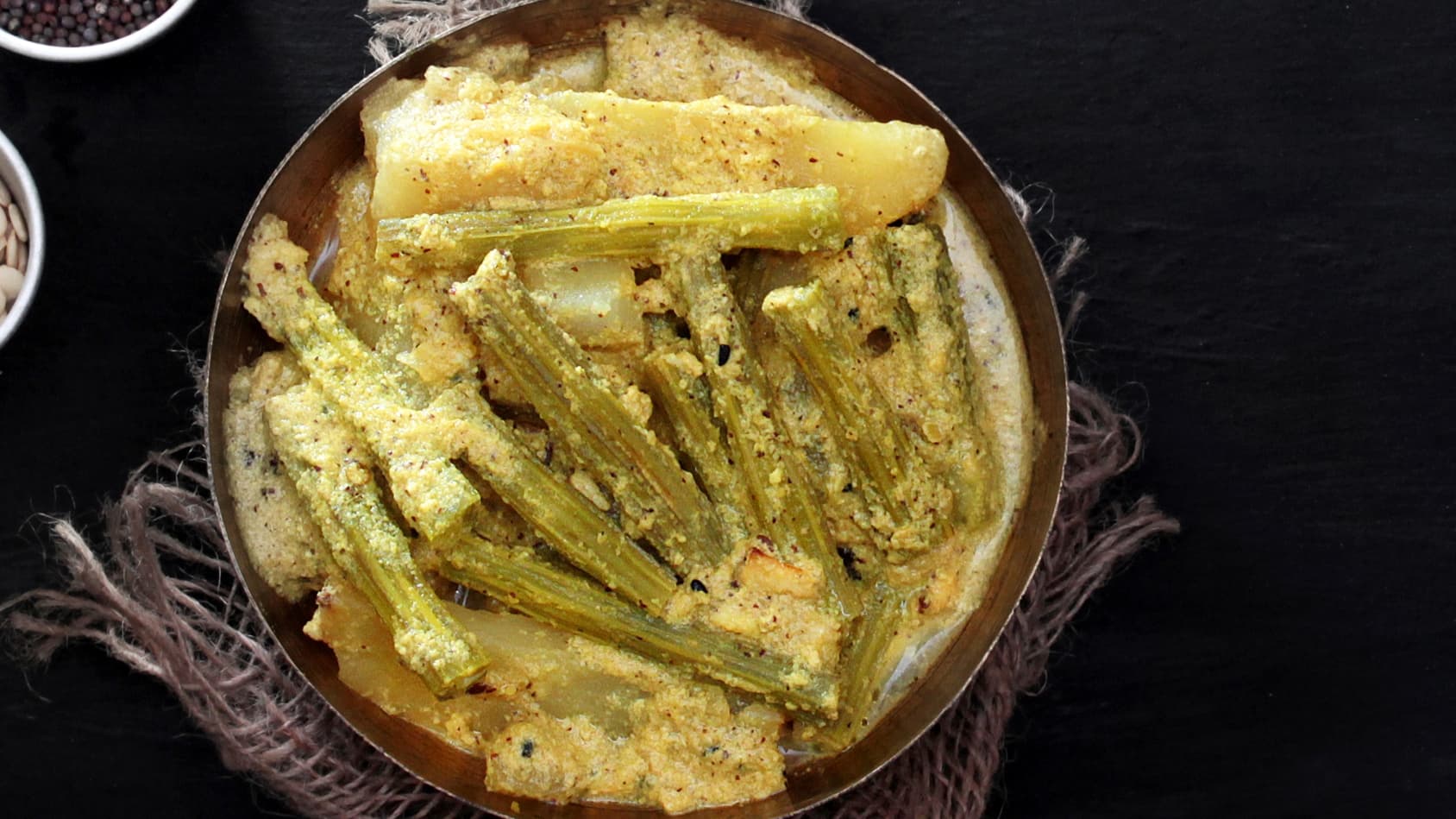
A bittersweet medley of vegetables that traditionally begins a Bengali meal.
Start your meal with this bitter-sweet medley of vegetables such as brinjal, papaya, sweet potato, drumsticks and bitter gourd. The bitter notes act as a palate cleanser while bori (fried lentil dumplings) add flavour and texture to the dish.
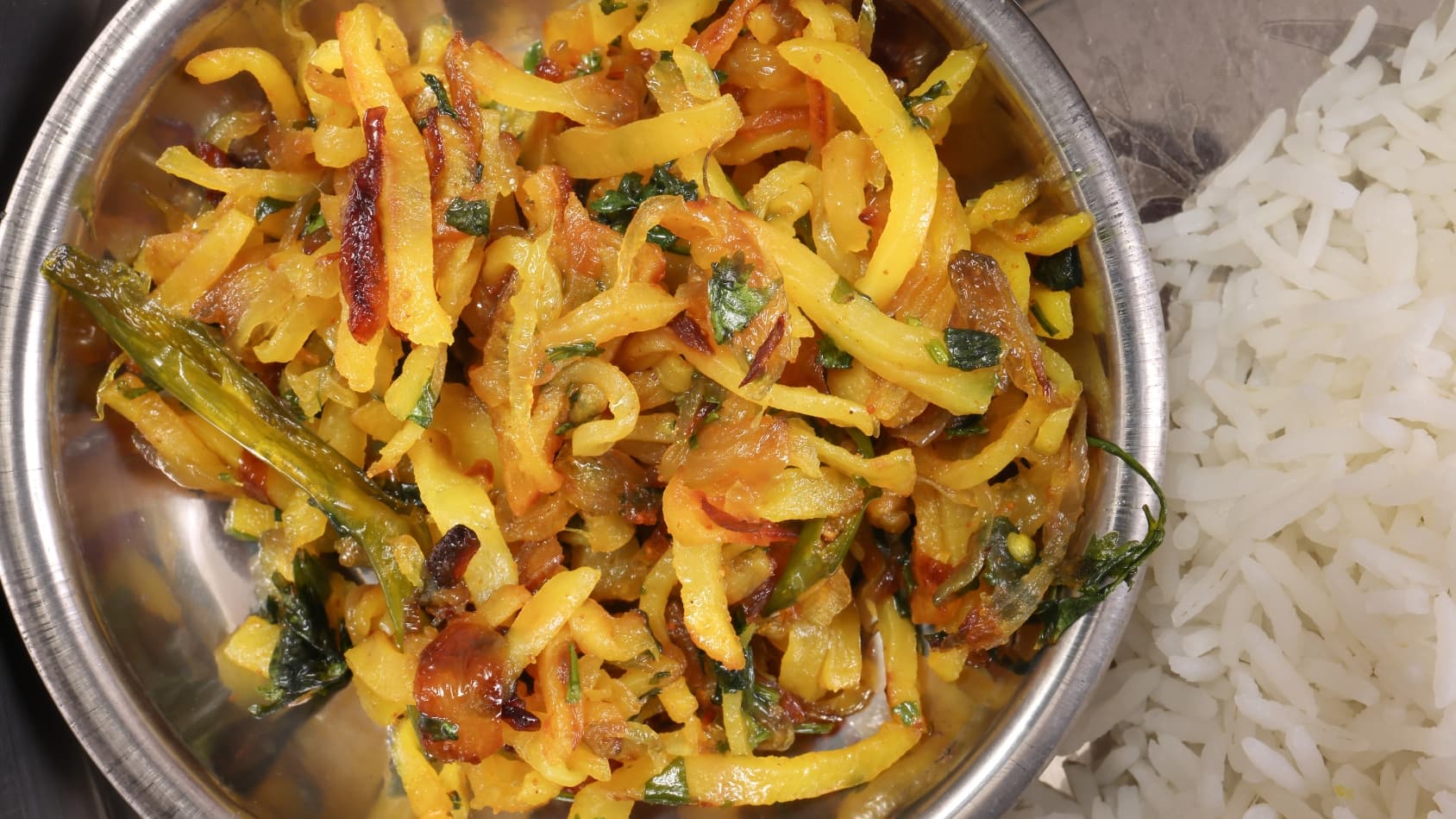
Lightly stir-fried vegetables tempered with nigella seeds or panch phoron. (Shutterstock)
This is essentially a stir fry of julienned vegetables with a mild tempering of kalo jeere (nigella seeds or kalonji) or panch phoron (a mixture of five whole spices — nigella, fenugreek, cumin, fennel and wild celery or sometimes mustard). Potato or sweet pumpkin cooked this way is a favourite when served with luchi (puffed deep-fried bread made with flour), roti or paratha (flat bread) usually.
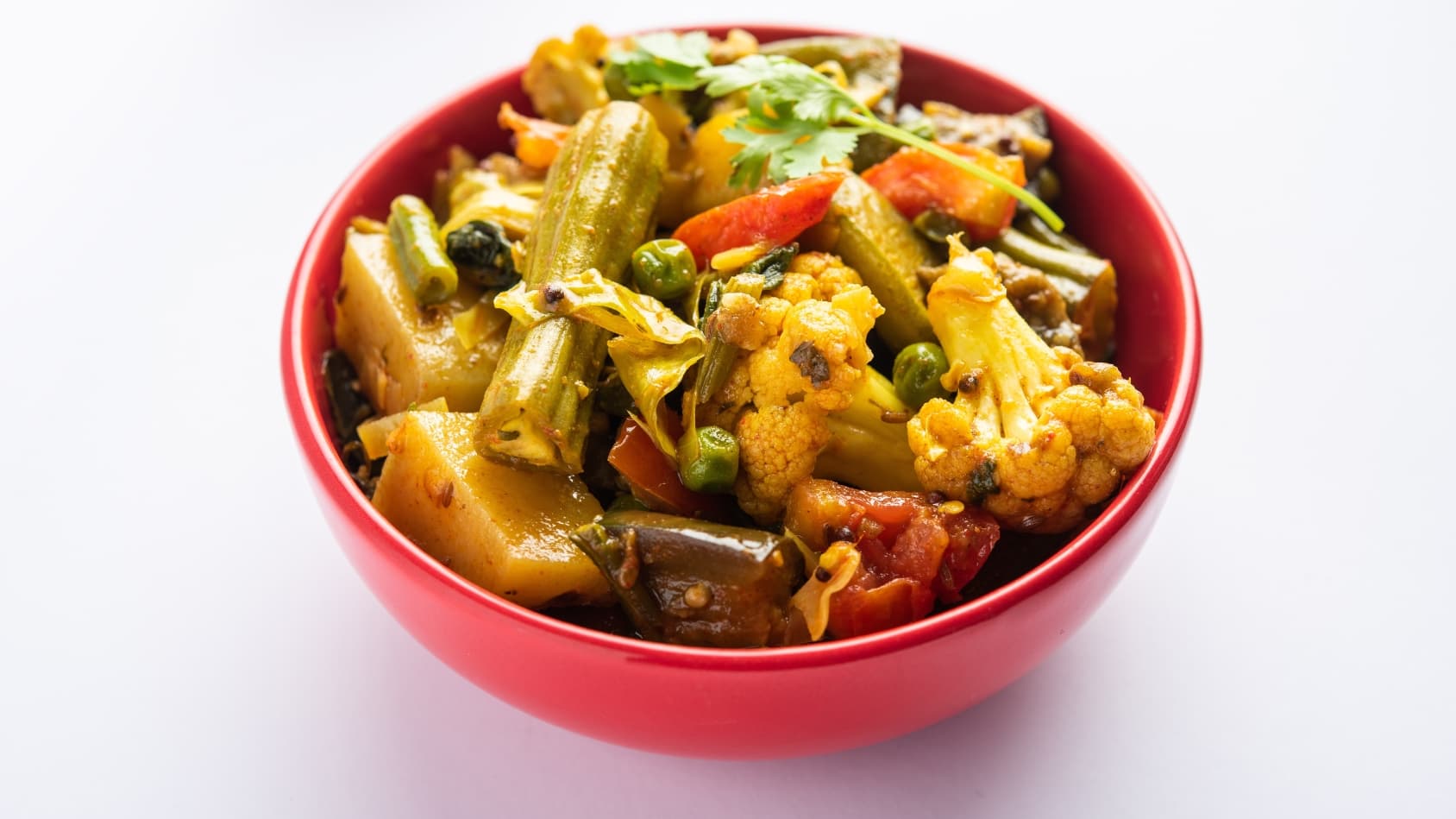
A rustic dry preparation of mixed vegetables cooked in mustard oil. (Shutterstock)
A rustic dish of mixed vegetables cooked in mustard oil and tempered with panch phoron, ginger paste and green chillies. The dish is on the drier side.
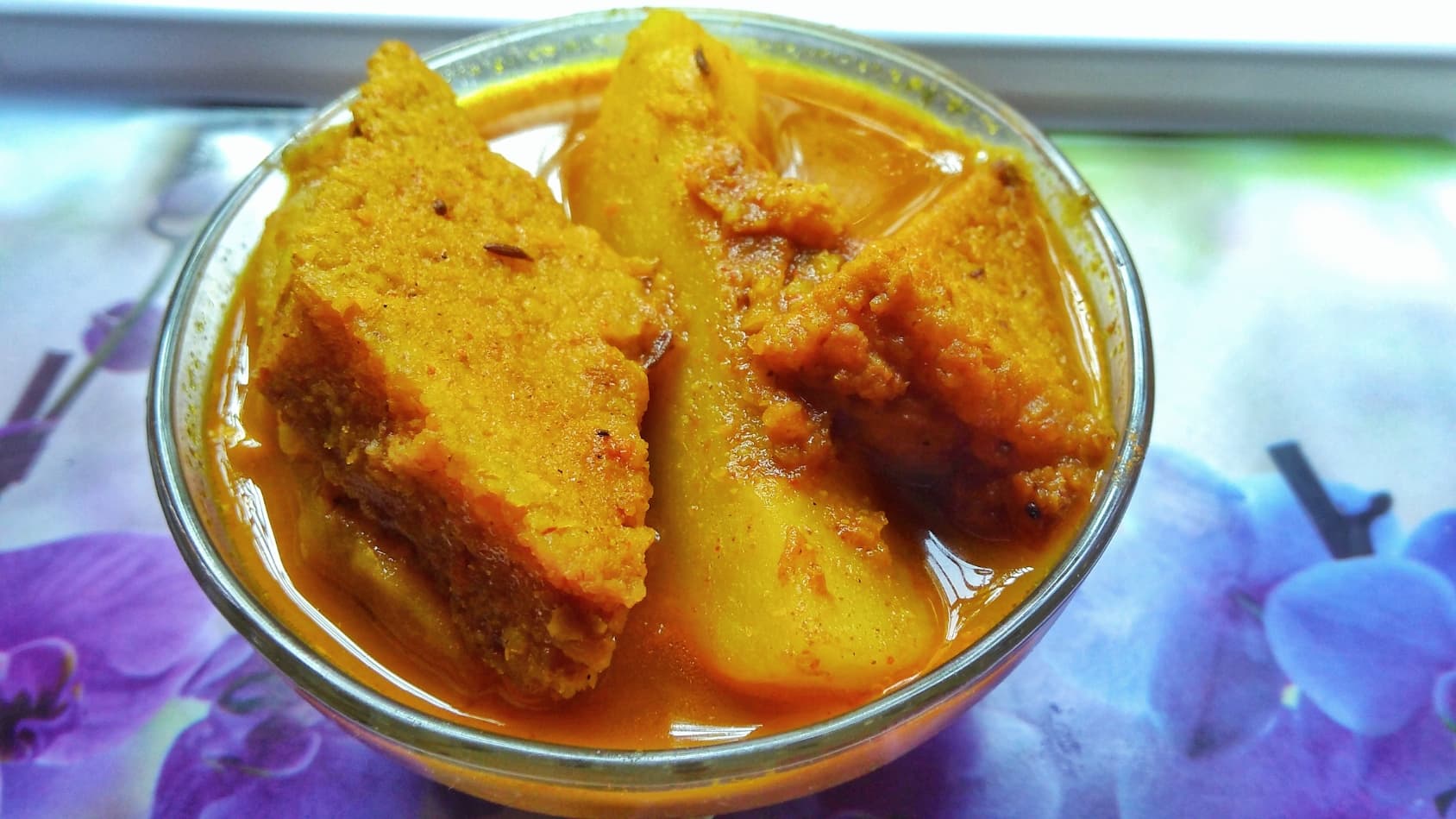
Dhokar Dalna or fried lentil cakes in a mildly spiced gravy.
A single vegetable such as potol (pointed gourd) along with potatoes cut in chunks cooked in gravy. The vegetable may be replaced by paneer cubes, or lentil cakes (dhoka). Cumin and ginger are usually the main spices.
Fish head is the star of this dish, cooked with pui shaak (malabar spinach) and a mishmash of other vegetables. The fish is usually rohu, katla (Indian carp) or hilsa.
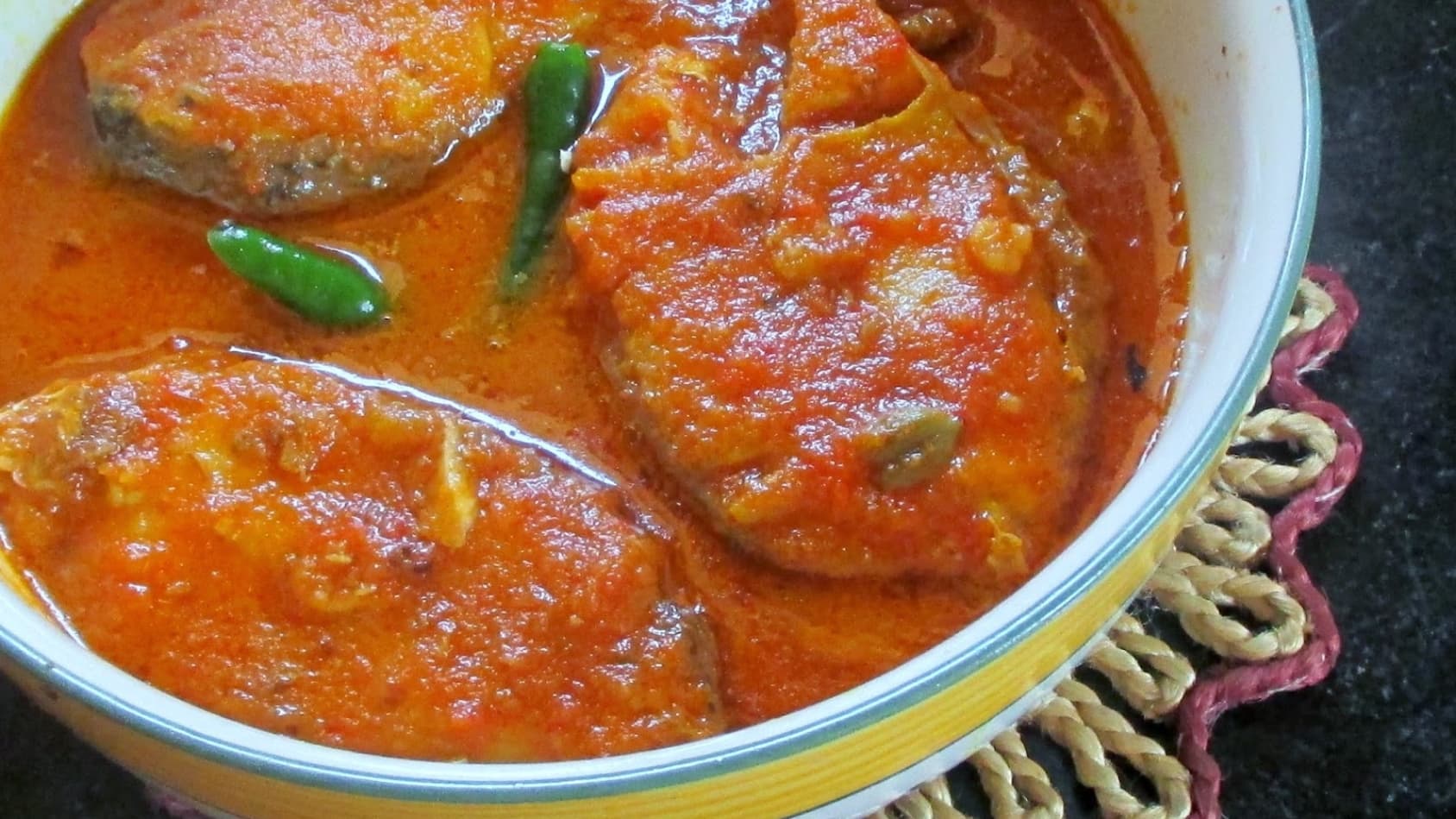
Spicy fish curry made with rohu or katla in a rich gravy of onion, ginger, garlic and mustard oil. (Picture by Sebestian Shultz, Wikimedia Commons)
Usually cooked with fish, especially rohu and katla (Indian carp). It's a spicy gravy made with onion, ginger and garlic paste and cooked in mustard oil. Raisins are sometimes added. This preparation has Persian influences. At times, even milk and ghee is added.
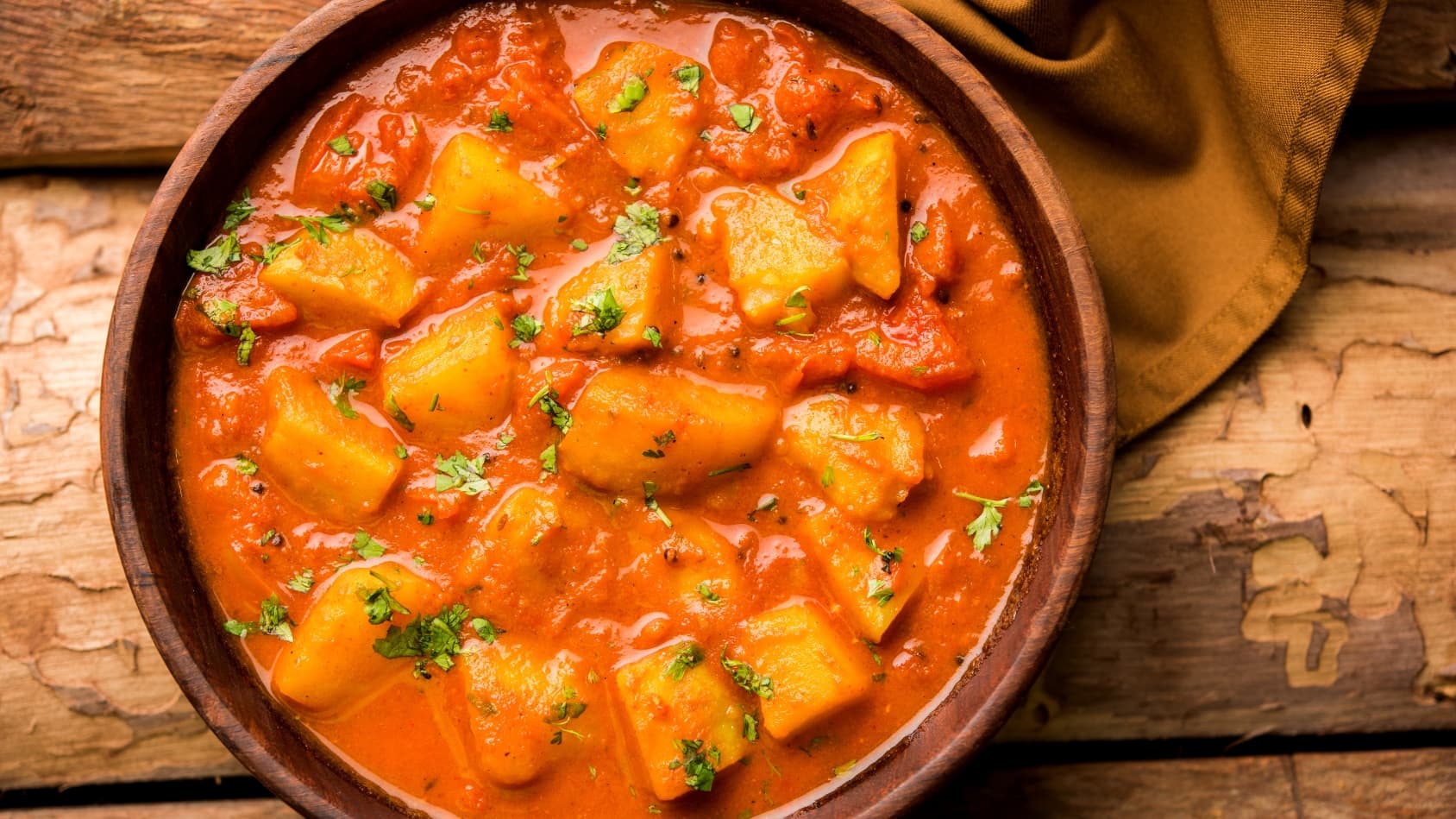
A hot, oily gravy known for its bold and fiery flavours. (Shutterstock)
A hot and spicy gravy rich in oil. Usually cooked with fish but vegetarian versions are also made.
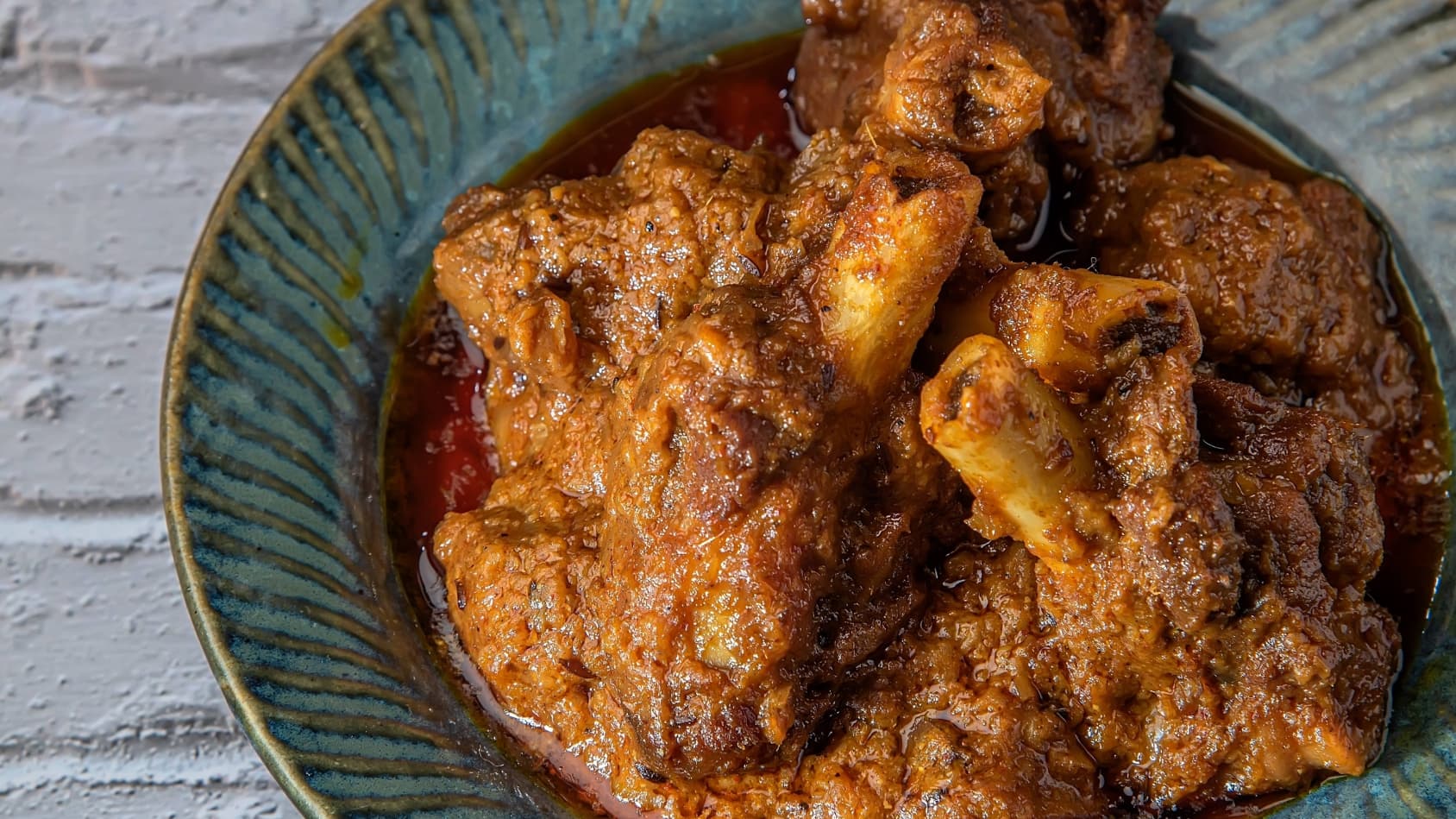
Slow-cooked meat coated in thick, spice-laden gravy. (Shutterstock)
Usually made with meat, this is a spicy dish made with ground masalas. The preparation is usually made in mustard oil, slow cooked so that the meat absorbs the spices and a thick gravy is formed. Usually no water is added during cooking. Kosha Mangsho is an iconic dish served with luchi, pulao or steamed rice.
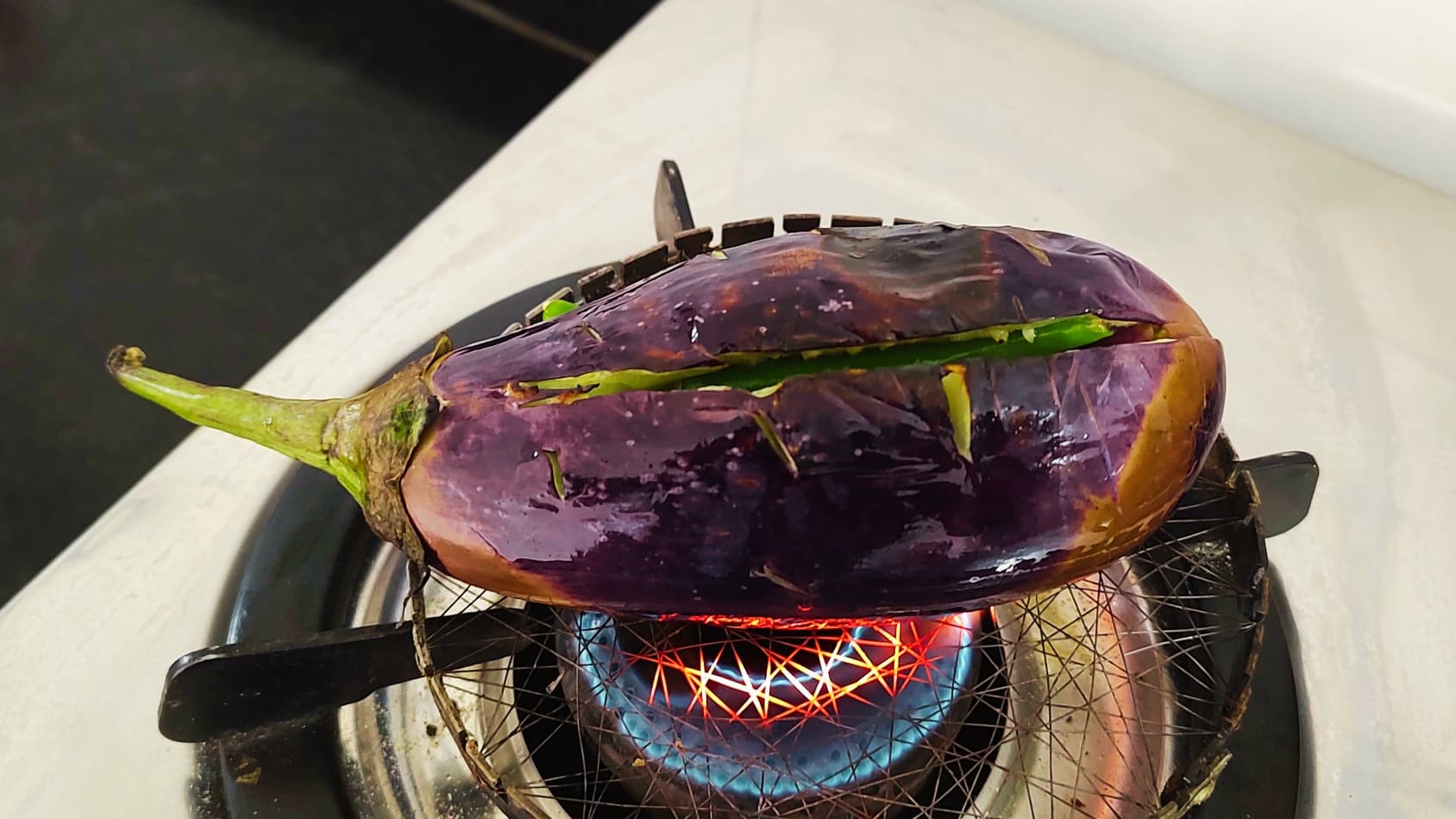
Fire-roasted vegetables mashed with mustard oil and aromatics. (Shutterstock)
Vegetables are roasted directly on a flame. Most commonly made with brinjal. The charred brinjal is peeled and mixed with chopped onions, tomato, coriander leaves, green chillies and a generous drizzle of mustard oil. The smoky flavour along with the sting of mustard oil make Begun Pora a favourite comfort food, especially in winter.
A simple preparation made by pounding ingredients in a traditional grinding stone (shil nora) seasoned with mustard oil, salt and other ingredients of choice. This form of cooking gives a taste of natural flavours and textures. Can be made with poppy seed (posto bata), taro root (maan kochu) or leaves such as cabbage and even vegetable peel. Sometimes the paste is tempered in mustard oil till dry.
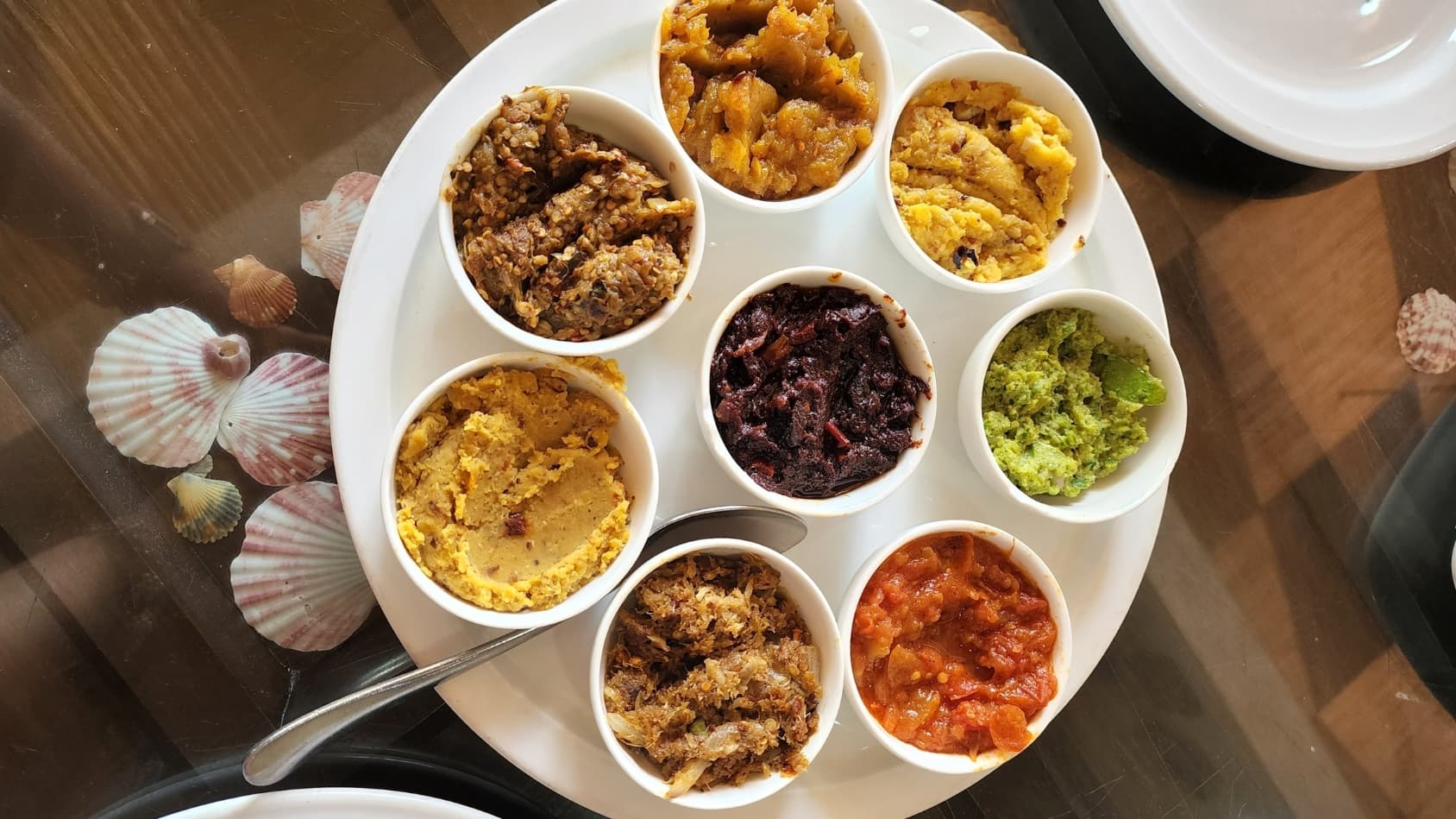
Mashed vegetables or fish mixed with chillies, onions and mustard oil. (Shutterstock)
The simple spicy mashed side dish is a typical East Bengal way of cooking. The vegetables or fish are first boiled and then mashed. Seasonings like fried onion, fried red chillies, mustard oil and salt are added. The texture of the food is smooth. From sheem (broad beans) to chingri (prawns), everything can be turned into bhorta.
This is the ultimate comfort food — overcooked boiled rice in its starchy water (Phyana Bhaat) served with boiled egg, boiled vegetables and lentils. A generous drizzle of ghee or mustard oil and a bite of green chillies are a must. Some may have raw onions too as an accompaniment. Must be had piping hot. Phyana Bhaat even made it to MasterChef India under the apt title Shworgoshukh (heavenly happiness).
Fermented rice served with raw onions, green chillies, vegetable fritters, fried fish and various types of bhorta. A squeeze of gondhoraj lebu (a fragrant lime) adds to the flavour. This rustic dish bowled judges over at MasterChef Australia.


