
A joint initiative by



 Published on 2025-09-06Updated on 2025-09-06
It’s always strange visiting a city you once called home. I lived in Calcutta — yes, Calcutta, not Kolkata — from 1986 to about 1999. And back then, believe me, it was a gastronomic wasteland. People get nostalgic about the food scene of those days, but the truth is: there wasn’t much to write home about. If you were looking for good Bengali food, you often left disappointed.
There were no 6 Ballygunge Place or Kewpie’s then. There was Suruchi, yes, but that was about it. Most of the time, we ended up at Amber, a north Indian restaurant near the ABP office. Bengali food in Kolkata, ironically, was hard to find in restaurants. The western food was like a certain kind of western club food, which on the whole was pretty revolting. To put it bluntly, I didn’t eat very well in Kolkata.
So, I did what anyone sensible would do: I turned to the streets.
From AC Market to Vardaan, Victoria to Vivekananda Park — I tried the chaats, rolls, moong dal vadas, jhalmuri, phuchka and more. Everyone warned me I’d fall ill. I never did. My favourite street food has always been the phuchka. The phuchka is called different things in parts of India, it’s called batasha in UP, golguppa in Delhi, pani puri in Bombay and all of them have their adherence. But my personal favourite is the Calcutta phuchka because of the complex flavours and I will have it anywhere I get it; I have no special favourite place.
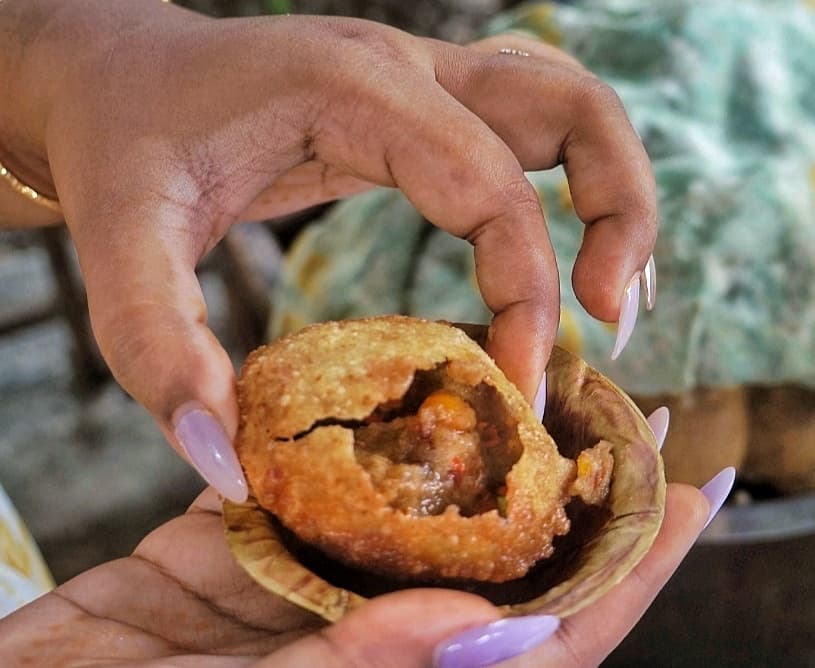
"My favourite street food has always been the phuchka," says Vir.
I still maintain that the streets of Kolkata offer some of the best food you’ll find anywhere in the country. And the fact that much of it doesn’t even originate in Bengal only adds to Kolkata’s contradictions.
Take the Nizam’s roll. One of my all-time favourites. It’s not a Bengali dish at all — yet it is a Kolkata dish. Like the biryani. In Kolkata, I’ve tried a lot of biryanis. How do I know if it’s good biryani? A small portion of rice should be a microcosm of the entire flavour of the dish. By swirling just a few grains of biryani rice in the mouth, one can experience the complete range of its taste.
I’ve eaten seven biryanis in one day and some of my favourites would be from Royal Indian Restaurant and Zam Zam. Here, the biryani traces its roots to Wajid Ali Shah’s kitchens in Lucknow. The local twist? Potatoes. Not some chef’s innovation, but sheer economic necessity. Meat was expensive, aloo was cheap. And yet, the result became part of Kolkata’s culinary identity.
That’s what makes this city unique. We talk about Bombay as a melting pot, but Kolkata has done the same for decades — absorbing flavours from UP, Bihar, China, Tibet, even the British — and making them its own.
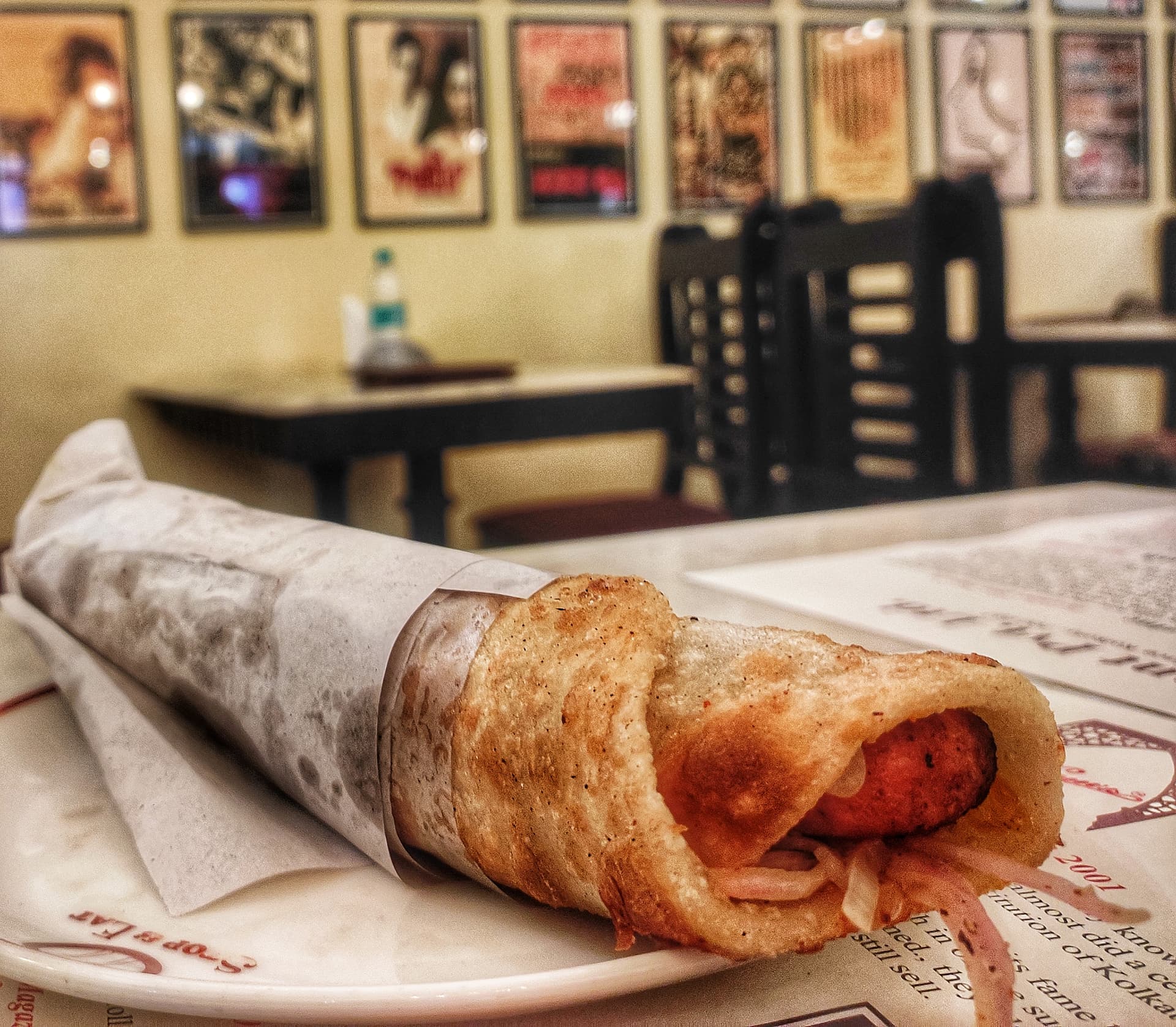
A dish that captures Kolkata in a bite? The Nizam’s roll. Not Bengali, not traditional — but entirely, unmistakably, Kolkata.
I am particularly impressed by Doma Wang’s Blue Poppy. She calls it Himalayan food, which is sort of a made up characterisation, but she does Kolkata Chinese, Tibetan, Nepali and a lot of the food of the hills. Her father was Chinese and ran a noodle factory. Her Nepali pickles are a revelation. Her momos are delicate and translucent and far from anything Tibetan. She’s taken the best of the Chinese dim sum tradition and brought it to momos and I suspect the city is all the better for it.
My wife Seema and I both have Kolkata connections — she grew up here and went to school here. So her kind of Kolkata is about going to the Botanic Gardens in Howrah, spending slow afternoons at Victoria Memorial, walking around Esplanade. For all of us, those are the memories of Kolkata we cherish. And that’s what we’d do whenever we’re here today — eat at places like Blue Poppy and let the city feed us, in every sense of the word.
Now, Doma’s son Sachiko is taking the lead with Popo’s, evolving memories of his grandfather’s meals. I reckon it’s not just a passing of the torch — it’s a reminder that in Kolkata, good food runs deep.
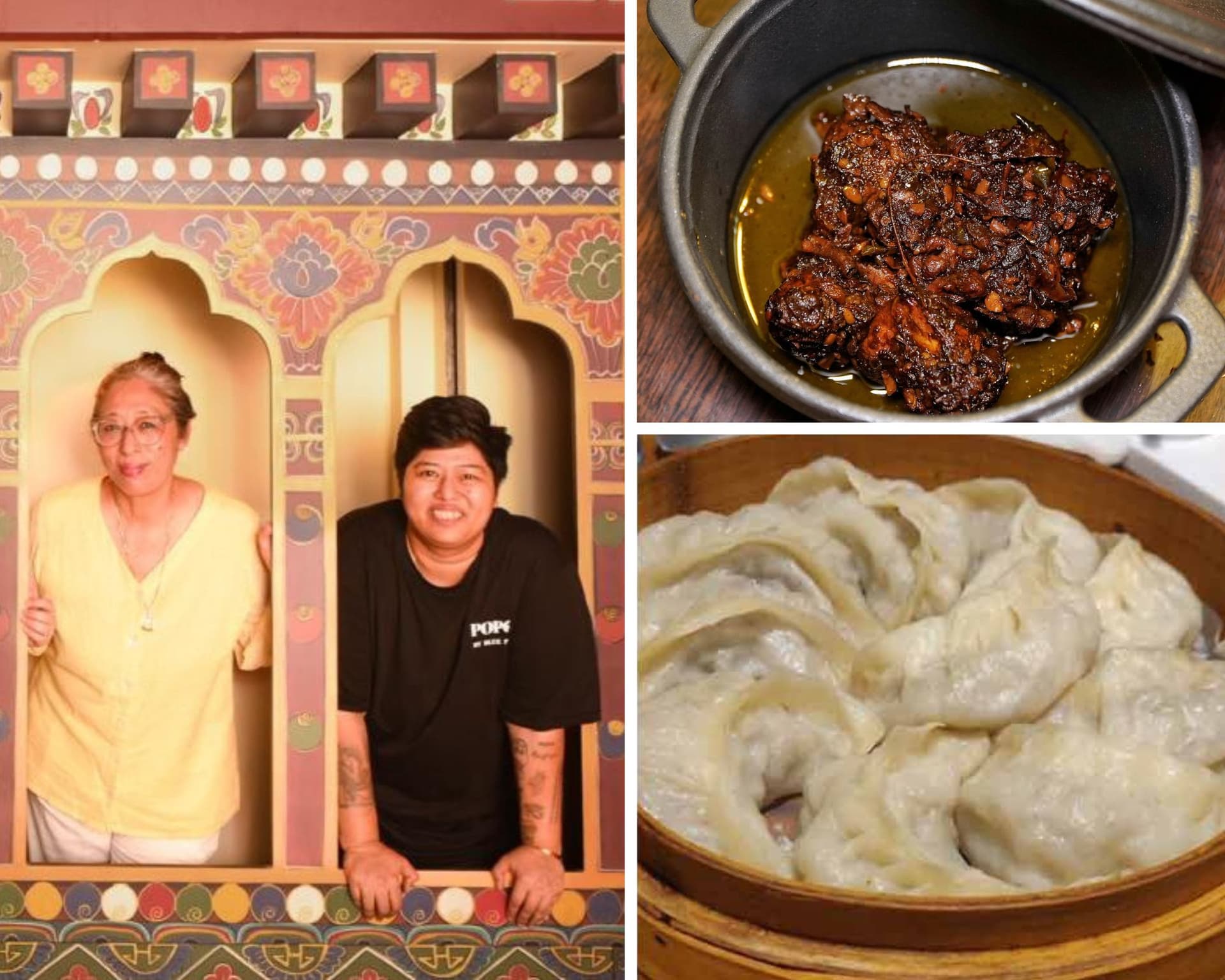
Doma Wang of The Blue Poppy and Sachiko Seth of Popo’s with their signature dishes — Kalo Chicken and Mutton Momos
And then there’s 6 Ballygunge Place. To me, it’s a near-perfect restaurant. Large, unpretentious, family-friendly and offering a menu of home-style Bengali favourites, done exceptionally well. It’s not trying to impress food critics; it’s just feeding people good food. And that, in today’s fine-dining-obsessed world, is rather refreshing.
Sienna, with its contemporary Bengali cuisine presented originally, has had its fair share of success in recent years even with the change of hands in the kitchen. It continues to shine.
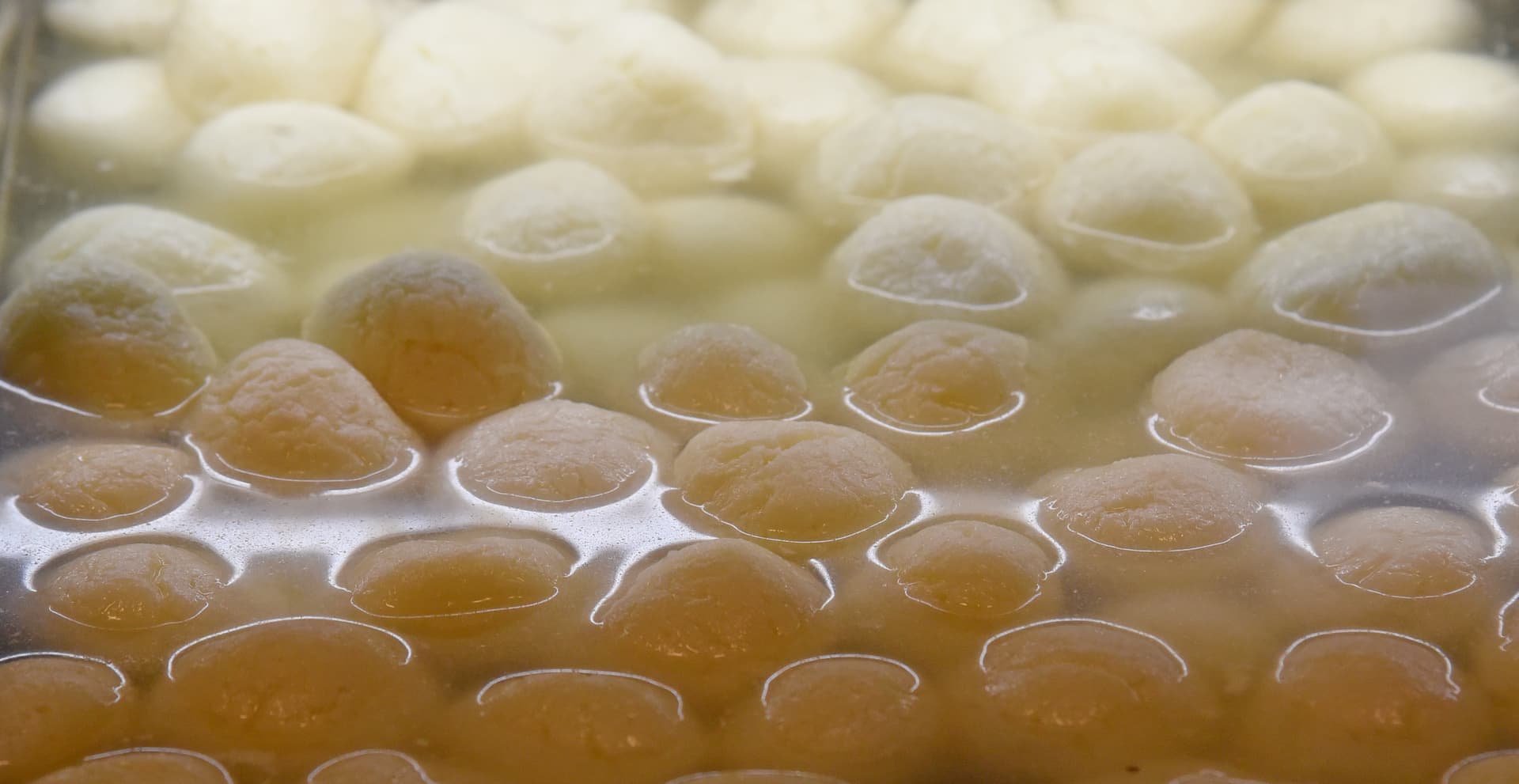
Kolkata’s biggest gift to Indian cuisine is the sweets. From rosogolla to sandesh, Bengal’s mishti has travelled far and wide, sweetening every corner of the country.
Sadly, not much has been done to popularise Bengali cuisine outside Bengal. People often ask me what Kolkata’s greatest culinary contribution is. My answer? The sweets. You can go to any part of India and find mishti that traces its roots to Bengal. Sandesh, rosogolla, mishti doi — these are Bengal’s greatest culinary exports. They’ve changed the way we think about Indian dessert.
But if you’re asking me to name a dish that captures Kolkata in a bite? I’ll go with the Nizam’s roll. Not Bengali, not traditional — but entirely, unmistakably, Kolkata.
Vir Sanghvi wears many hats — editor, columnist, TV host, food critic and co-founder of Culinary Culture.
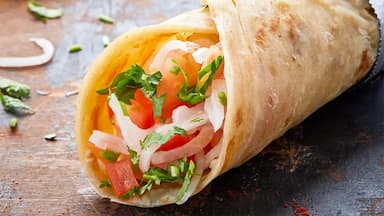
Kathi rolls are hand-wrapped parathas filled with seasoned meat or veggies
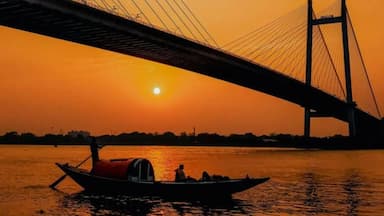
The music composer looks back on the last leg of his ‘Anantha Yatra’ in Bengal
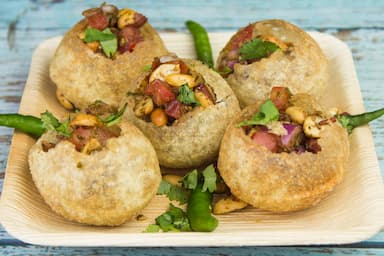
Kolkata's phuchka stalls are landmarks offering cultural crash course and crunch


