
A joint initiative by


 Published on 2025-11-10Updated on 2025-11-10
Bengal and sweets are synonymous and the iconic trinity of rosogolla, sandesh and mishti doi are what most people associate with Bengali desserts but there is so much more to Bengali sweets.
Here’s a list of 10 sweets of Bengal which you must taste and where to find them:
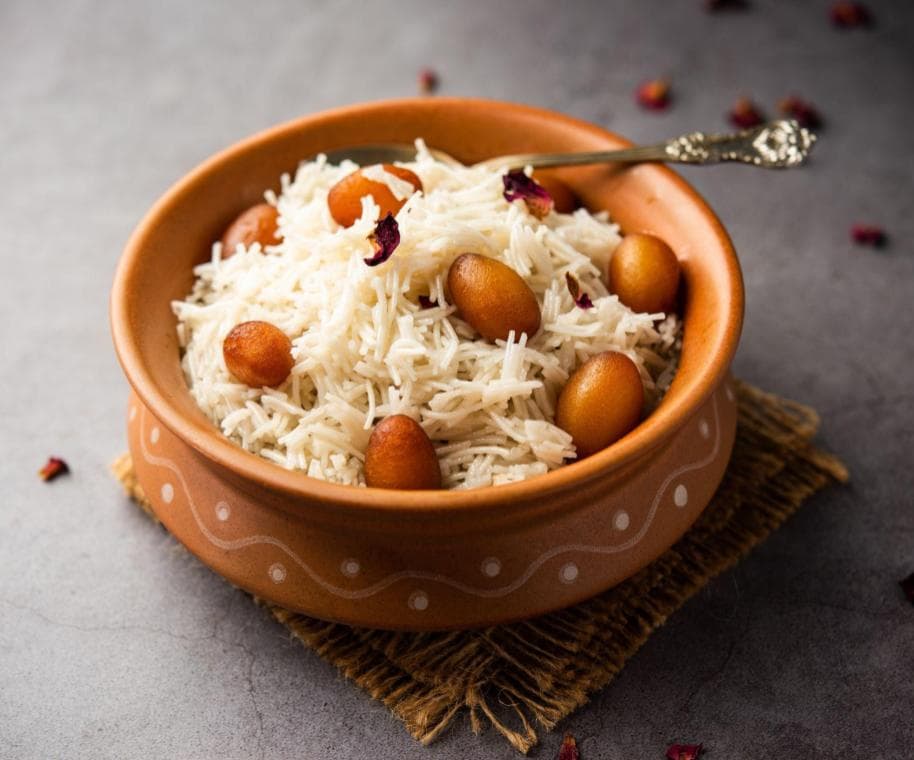
Sitabhog and Mihidana are two treats from Burdwan. (Shutterstock)
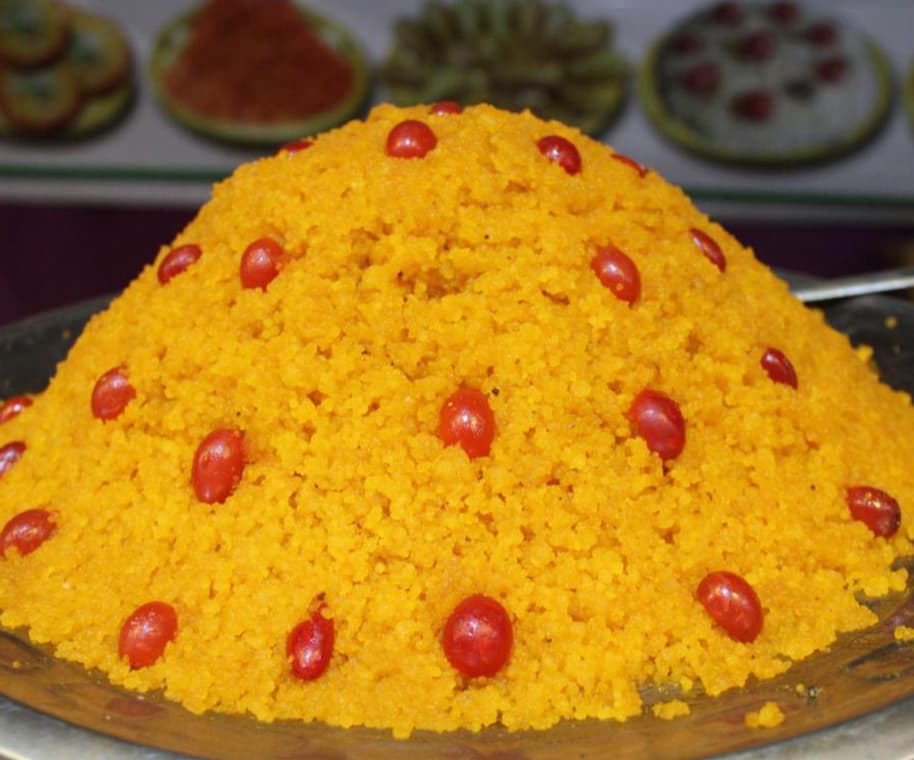
Sitabhog and Mihidana are two treats from Burdwan. (Shutterstock)
Sitabhog and Mihidana are like twins. Believed to have been concocted by Bhairab Chandra Nag to impress Lord Curzon, the then viceroy of Bengal, their birthplace is Burdwan. Bright yellow drops of goodness, Mihidana is made of gram flour and rice batter with saffron, deep fried and soaked in sugar syrup to give it a glaze and make it juicy. Sitabhog, white noodle-like strands, is made with chhana (cottage cheese) and rice flour fried and soaked in sugar syrup. Available in many sweet shops across Kolkata, but for the real taste the 100km drive to Burdwan is worth the trouble.
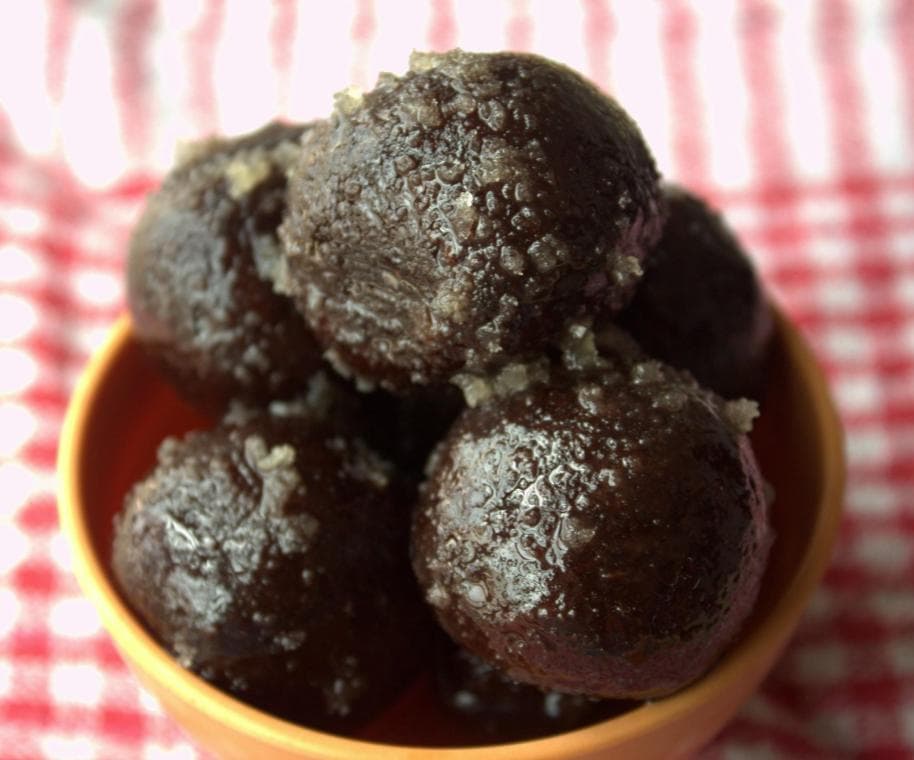
Chhanabora was first made as a treat for a king, who wanted to taste a new sweet. (Shutterstock)
Bored with Rosogolla and Pantua, Maharaja Manindra Chandra Nandi of Cossimbazar ordered his cook to come up with something new. The cook set to work immediately and made a sweet made with chhana (cottage cheese) fried to get a crisp brown crust and then soaked in sugar syrup. The sweet tastes soft and creamy inside and crispy outside. Within a very short span of time the sweet gained popularity. Few sweet shops in Kolkata sell Chhana Bora, which is a speciality of Murshidabad (217km from Kolkata).
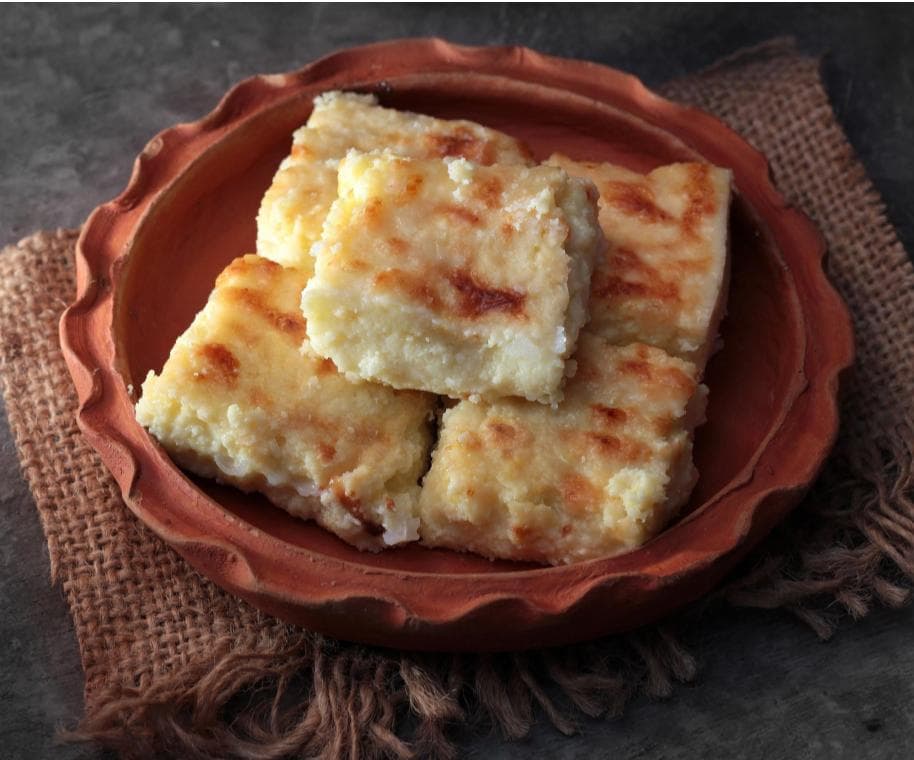
Sarpuria and Sarbhaja are made of milk skin. (Shutterstock)
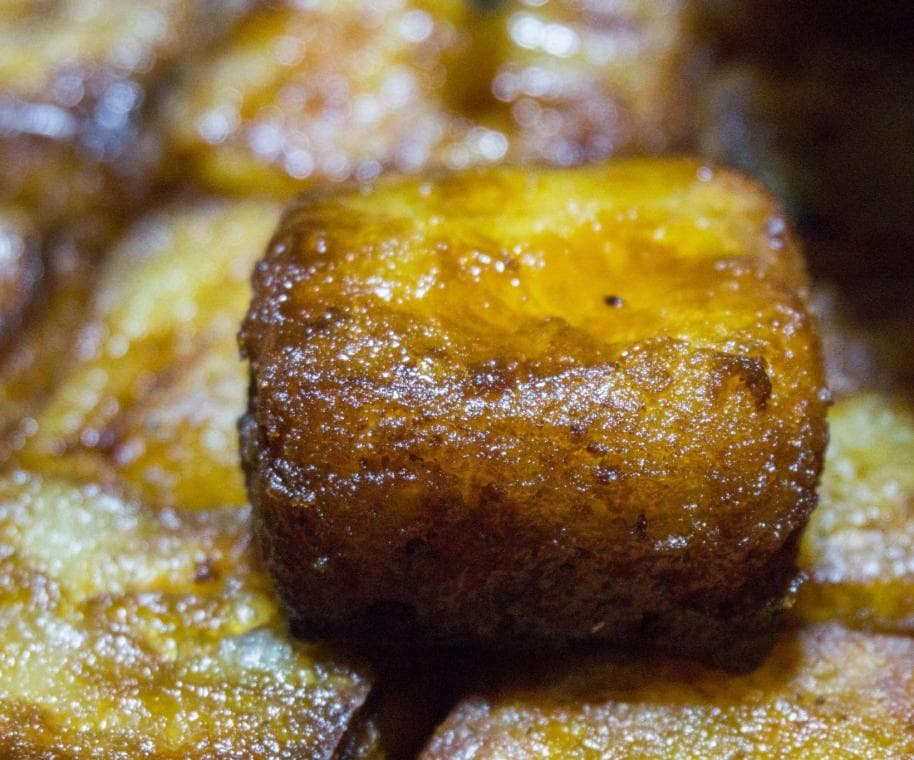
Sarpuria and Sarbhaja are made of milk skin. (Shutterstock)
If you have had Sarbhaja in a Kolkata shop, you are likely to be in for a sweet surprise when you taste it in its cradle — Krishnanagar (120km) in Nadia. Both these delicate sweets are made using layers of milk skin (shor). Sarpuria is a baked sweet, while Sarbhaja is deep fried. It is said that the creator of these sweets, Surukumar Das, would make them at night to keep the recipes a secret. After his death, his son Adhar Chandra Das continued with the legacy.
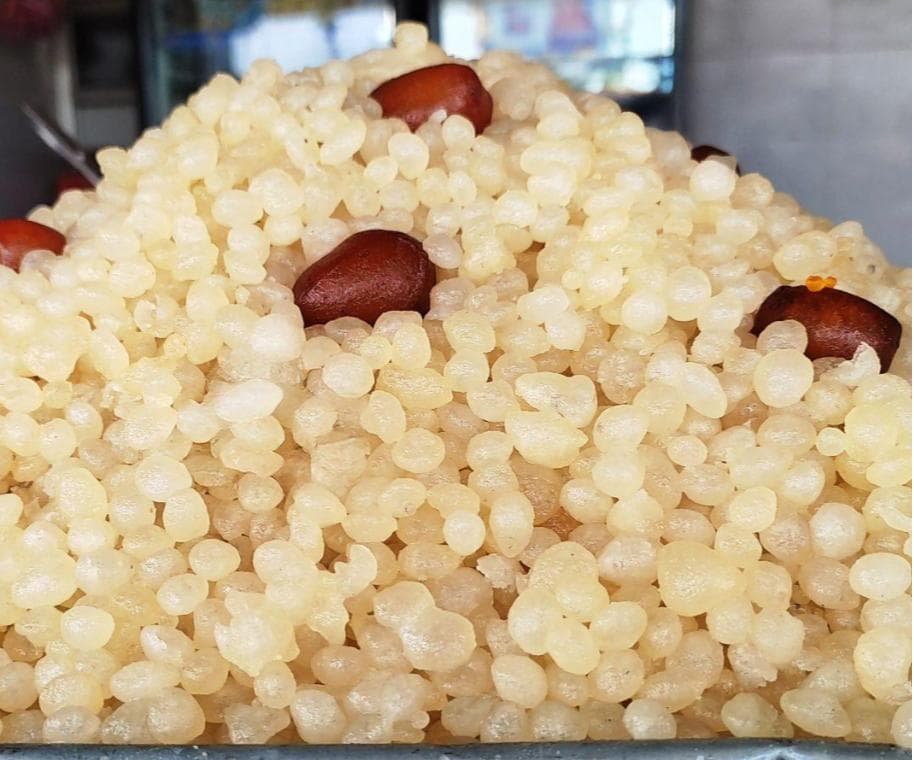
Sada Bonde is said to have been a favourite of Ramakrishna Paramhansa. (Picture by Amitabha Gupta)
Unlike the bright yellow bonde (sweet boondi) commonly found in sweet shops, Kamarpukur (98km), a village in Hooghly known to be Ramakrishna Paramhansa’s birthplace, has its own special Sada (white) Bonde. The GI-tagged sweet is said to have been a favourite of Ramakrishna Paramhansa, who would distribute it among his disciples. Made with bean (borboti) flour, chhana (cottage cheese), ghee and sugar, Sada Bonde has a unique texture and is white in colour. According to locals, it was first made around the 18th century.
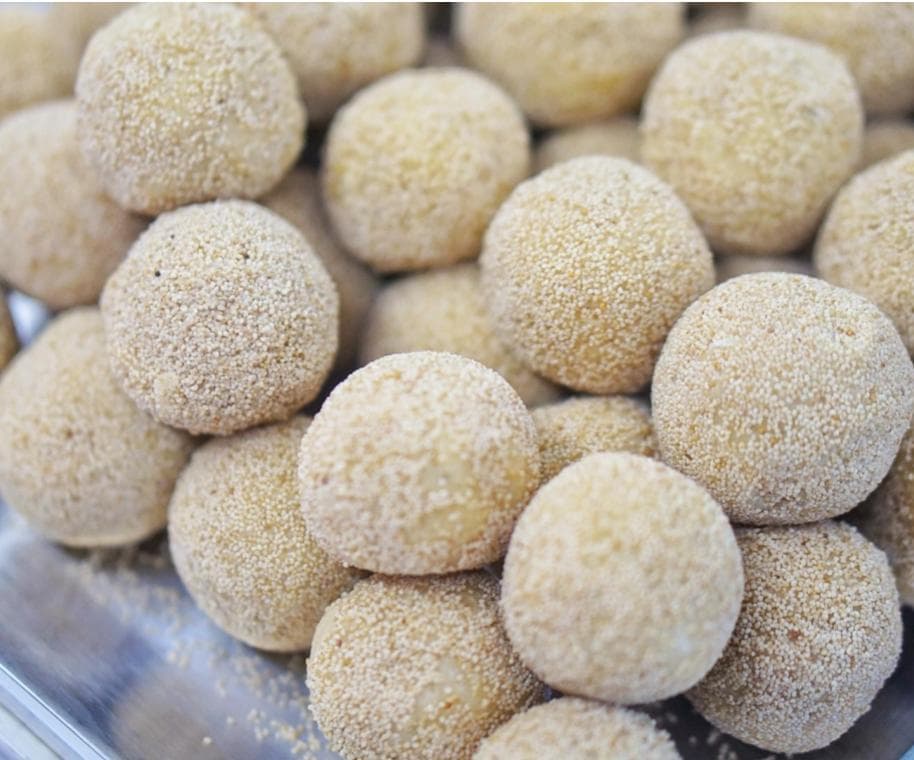
Rosokodombo of Malda.
This sweet resembles a flower (kadam phool) popular in Bengal and hence its name. Rosokodombo is said to have been first made by a confectioner in Malda (335km from Kolkata) to commemorate a visit by Chaitanya Mahaprabhu. Spherical in shape, the sweet has three layers — the innermost layer is a soft succulent rosogolla, which is coated with a thick layer of khowa, and the outermost layer has poppy seeds and sugar, which gives the sweet its unique taste.
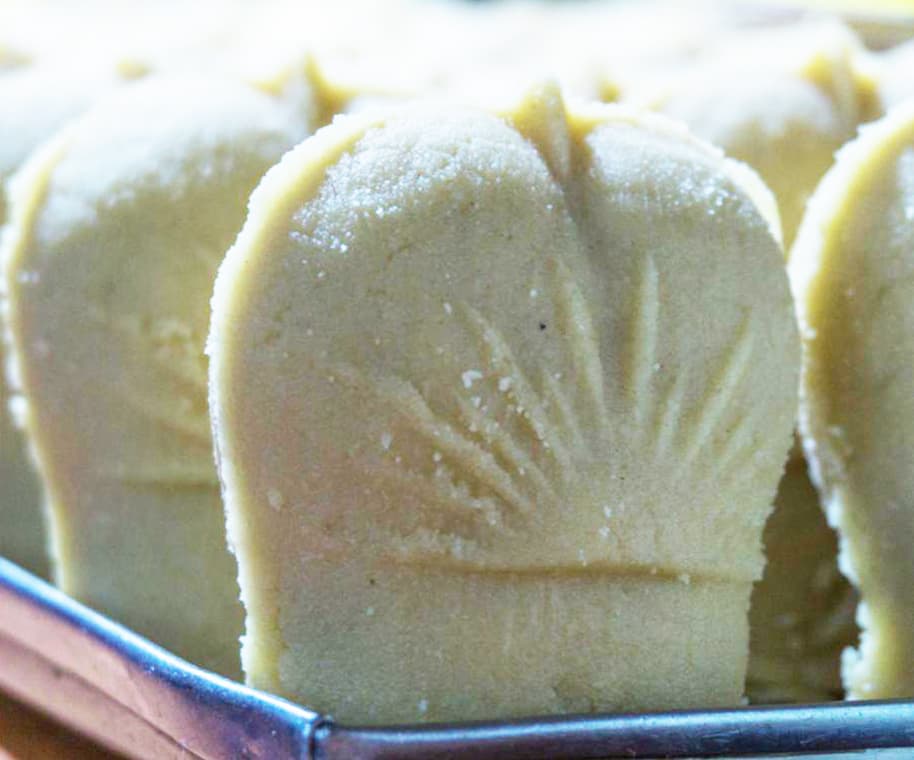
Jolbhora filled with liquid jaggery is a winter delicacy. (Picture by Sumit Surai/Wikimedia Commons)
What was made to trick a son-in-law turned into one of the most iconic sweets of Bengal. A wealthy merchant is said to have ordered sweet-maker Surya Kumar Modak to make a sandesh to trick his son-in- law. Modak experimented with the traditional talsash sandesh, filling it with liquid jaggery. As the son-in-law bit into the sandesh, the liquid jaggery leaked out. This unique feature of a hidden core of liquid (jolbhora means filled with water) caught on. It soon became a favourite of the sweet-loving Bengalis. The sandesh is made of chhana and the liquid inside is that nolen gur (date palm jaggery). It's a delicacy of the winter months as that is when the date palm sap is collected and made into jaggery.
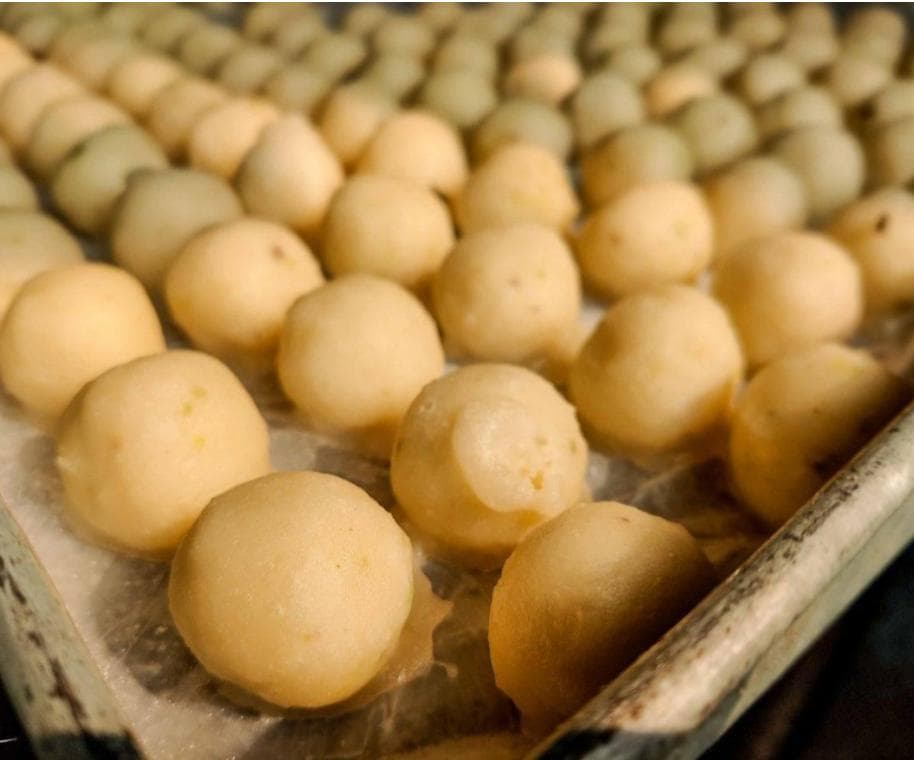
Monohora gets its name from its reputation of winning hearts of whoever tastes it. (Shutterstock)
Necessity is the mother of Invention and that couldn’t be truer of this sweet, which was created as a way to preserve sandesh without refrigeration. There are many stories about the Monohora. One of the most popular among them is that once a sweet-maker of Janai (28km from Kolkata) in Hooghly was asked to make a sandesh for a zamindar. The zamindar was late and, afraid that the chhana would spoil, he gave the sandesh a coating of sugar to preserve it. When the zamindar came and ate the sweet, he was delighted and remarked that it had stolen his heart. Hence the name Monohora. This spherical sweet has two layers — the inner part is a sandesh made of chhena, which is coated with a thick layer of sugar. The sweet melts as soon as you put it inside the mouth.
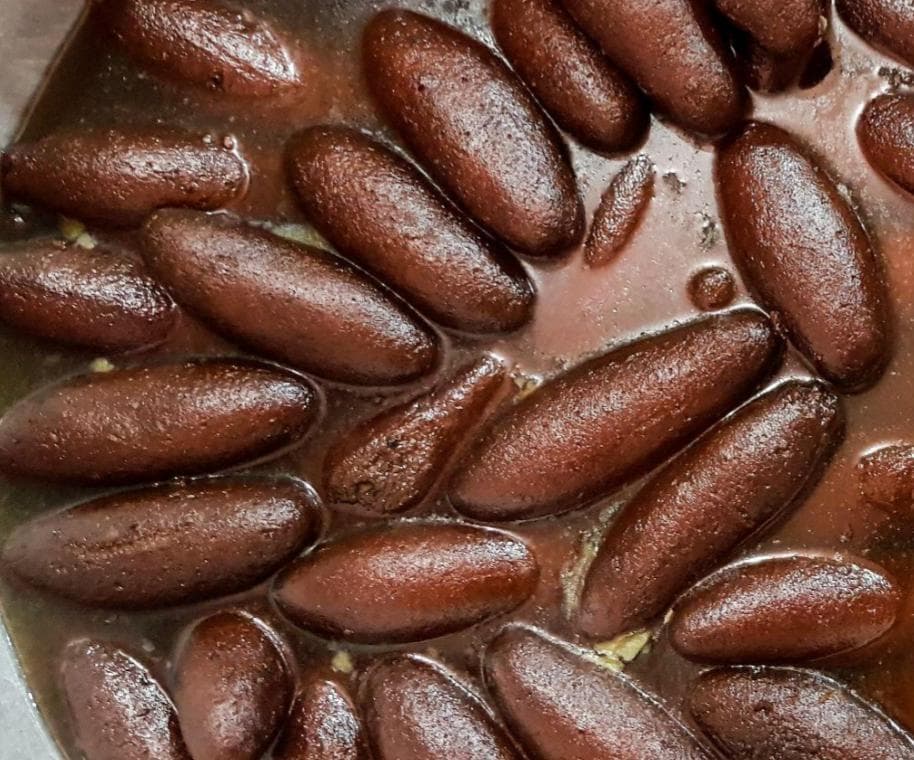
Lyangcha from Shaktigarh is darker and more fried than its cousins from elsewhere in Bengal. (Shutterstock)
While travelling to Santiniketan by road, a must-stop is Shaktigarh for a taste of the famed Lyangcha. It is made with chhena, deep fried and soaked in sugar syrup. The name of this cylindrical sweet is a colloquial distortion of the word lyangra (lame) in Bengali. The sweet’s name directly refers to the physical deformity of its creator, a sweet-maker from Kalna.
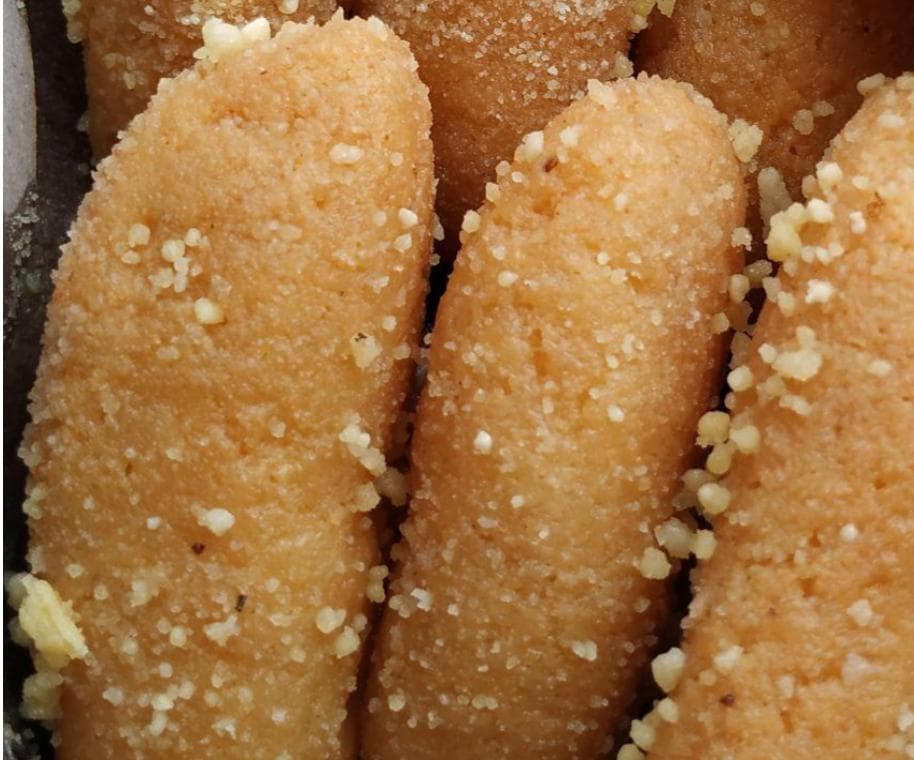
Chomchom travelled to Belakoba from Bangladesh. (Wikimedia Commons)
This oval-shaped sweet has its roots in the Porabari region of Tangail, Bangladesh. After Partition, sweet-makers from this region migrated to the Belakoba (587km from Kolkata) region of New Jalpaiguri. Two of them started giving traditional sweets a twist to make them different from the ones available in Tangail. Made of condensed milk, flour, pure milk and sugar, the Chomchom in Porabari had a firm texture but after coming to Belakoba it turned soft and spongy.
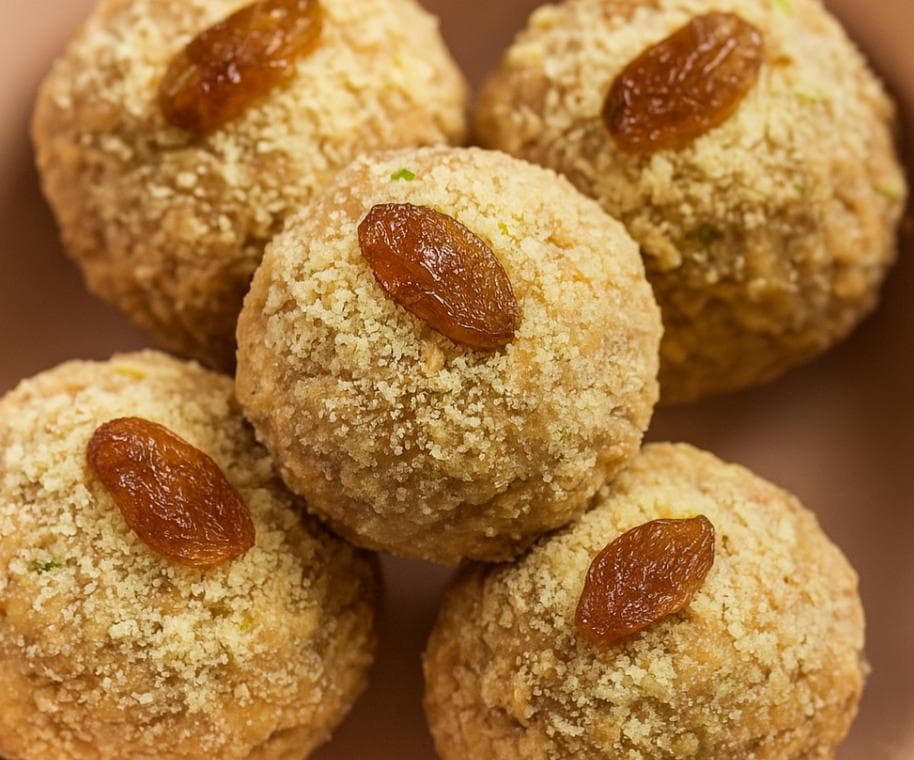
Soft, moist and aromatic, Joynagarer Moa is an irresistible winter treat. (Shutterstock)
As winter sets in, stalls selling Joynagarer Moa — a sweet made from a special variety of khoi (popped rice) called Kanakchur rolled in nolen gur (date palm jaggery) and ghee along with khowa and dry fruits — come up in every street corner. This seasonal delicacy had a very humble beginning. A local farmer from Baharu (54km) in South 24-Parganas once mixed khoi with gur and made it into balls. When the zamindar had the sweet he was so impressed that he asked the farmer to sell it in the market. Soon, the aromatic treats gained popularity. The name Joynagarer Moa came in much later. Now, every winter, hordes of people from Kolkata head for Baharu to source the sweet.


